


Belt Filter Press Dewatering
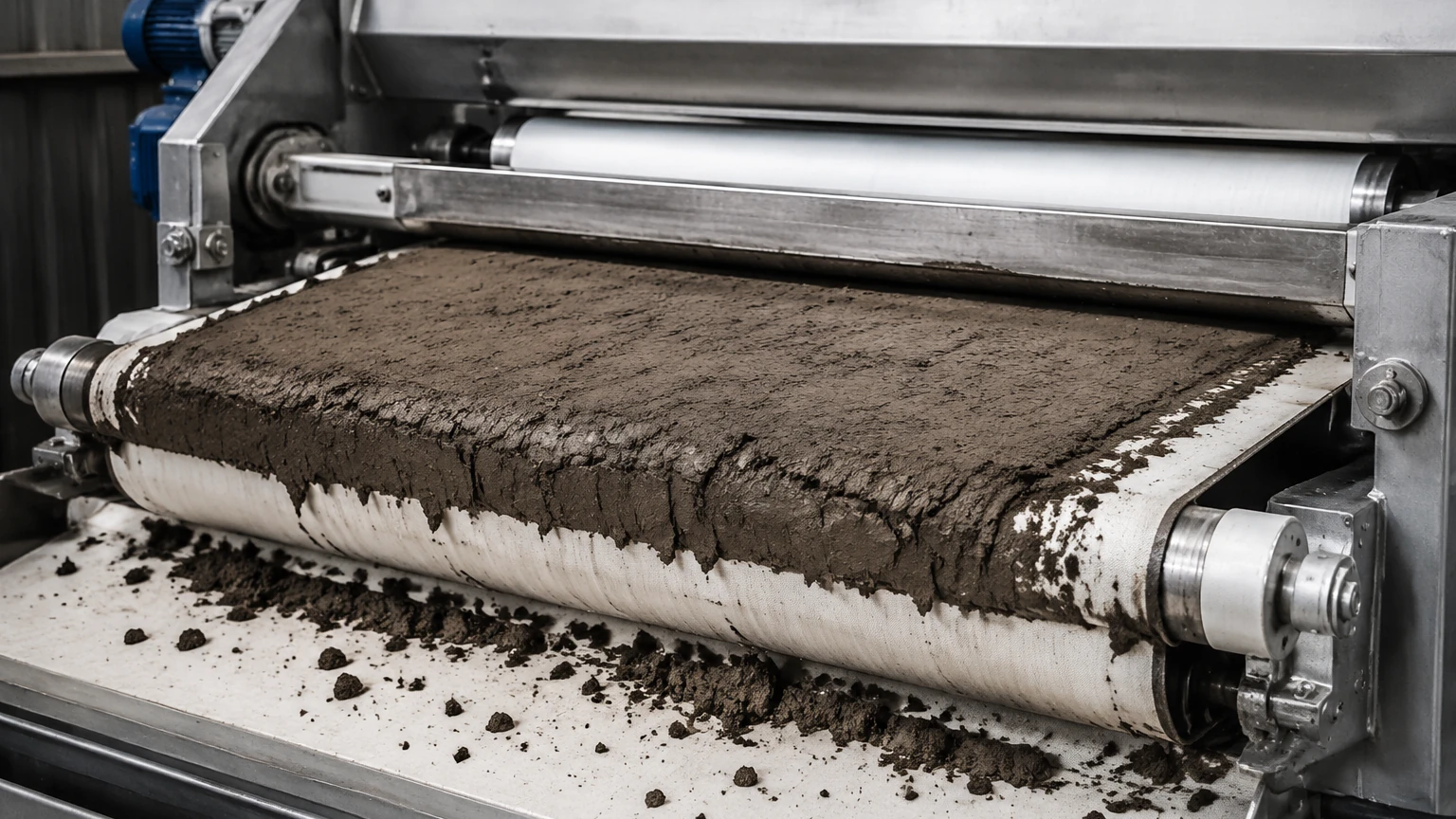
In industrial wastewater treatment and process engineering, the separation of liquids from solids is a critical phase that impacts both operational costs and environmental compliance. Belt filter press dewatering stands as one of the most established and reliable methods for achieving high-volume sludge reduction. This mechanical process utilizes a series of rollers and two tensioned belts to squeeze moisture out of a slurry, resulting in a concentrated solid "cake" and a clarified filtrate.
For engineers and facility managers, understanding the technical nuances of this process is essential for optimizing throughput and ensuring the longevity of the equipment. From the initial chemical conditioning to the final high-pressure squeeze, every stage of the dewatering cycle depends on the precision of the filtration media and the mechanical integrity of the system components.
The Fundamental Mechanics of Belt Filter Press Dewatering
The efficiency of belt filter press dewatering is not the result of a single action but a progressive three-stage process. Each stage is designed to remove water using different physical principles, moving from simple gravity to intense mechanical pressure.
1. Chemical Conditioning and Flocculation
Before the sludge even touches the belts, it must be chemically treated. Most industrial sludges consist of fine particles that hold water through surface tension and electrostatic charges. By introducing polymers (flocculants), these fine particles aggregate into larger clumps known as flocs. This process releases "free water," which can then be easily drained. The quality of this flocculation determines the success of the subsequent stages; poorly conditioned sludge will either blind the filter mesh or squeeze through the sides of the belts.
2. The Gravity Drainage Zone
The conditioned sludge is fed onto the top moving belt. In this zone, the free water drains through the porous mesh of the belt by gravity alone. This stage typically removes 50% to 70% of the water content. The design of the drainage area, including the use of "plows" or "chicanes" to turn the sludge and expose new surface area, is vital for maximizing the solids concentration before the sludge enters the pressure zones.
3. The Compression Zones (Wedge and High Pressure)
As the sludge moves forward, it is sandwiched between the upper and lower belts. The "wedge zone" gradually applies pressure, preparing the sludge for the high-pressure section. In the high-pressure zone, the belts wrap around a series of rollers with decreasing diameters. As the radius of the rollers decreases, the pressure exerted on the sludge increases. This shear and compression force the remaining capillary water out of the solids, resulting in a dry cake that is scraped off at the end of the cycle.
The Critical Role of Filtration Media and Precision Components
The heart of the dewatering system is the filtration media. While synthetic belts are common, the auxiliary systems and the structural components of the press often require high-performance metal components to withstand the corrosive and abrasive nature of industrial sludge.
As a specialist in custom stainless steel filtration solutions, Kaifil provides the engineering expertise required to support these demanding environments. Whether it is the precision wire mesh used in the drainage sections or the stainless steel filter cartridges used to treat the wash-water that cleans the belts, the choice of material directly affects the system's uptime. For more information on specialized filtration components, you can visit our Main Page to review product options and application support.
In applications involving chemical processing or food and beverage production, the filtration media must be resistant to pH fluctuations and high temperatures. Stainless steel components are often preferred in these sectors because they offer superior durability and ease of cleaning compared to standard industrial plastics.
Technical Evaluation Criteria for Dewatering Systems
When evaluating a belt filter press dewatering system for a specific industrial application, engineers must look beyond the initial capital cost. The total cost of ownership (TCO) is driven by several key performance indicators:
* Cake Solids Content: This is the percentage of dry solids in the final cake. Higher solids content means lower disposal costs, as most waste facilities charge by weight or volume. A well-optimized system should achieve 18% to 35% solids, depending on the sludge type.
* Solids Capture Rate: This measures the efficiency of the press in retaining solids. A high-performing system should capture 95% or more of the suspended solids, leaving a clear filtrate that can be recycled or discharged with minimal further treatment.
* Polymer Consumption: Chemical costs are often the highest recurring expense in dewatering. The ability of the press to handle varied floc sizes can significantly reduce the amount of polymer required.
* Hydraulic Loading Rate: This refers to the volume of sludge the press can process per hour per meter of belt width. Balancing this rate with the solids loading rate is essential for preventing "washouts," where the sludge overflows the gravity zone.
Engineering Considerations: Material Selection and Durability
Industrial environments are notoriously harsh on mechanical equipment. In belt filter press dewatering, components are constantly exposed to moisture, chemicals, and abrasive particles. Engineering for these conditions requires a focus on metallurgy and precision manufacturing.
Corrosion Resistance
Sludge from chemical plants or municipal wastewater often contains chlorides, hydrogen sulfide, or acidic compounds. Using SS304 or SS316 stainless steel for critical components like roller shafts, spray bars, and filter housings is non-negotiable for long-term reliability. Stainless steel prevents the pitting and scaling that can lead to belt tracking issues or mechanical failure.
Filtration Accuracy
The aperture size of the belt mesh or the supporting filter elements must be carefully matched to the particle size distribution of the sludge. If the mesh is too coarse, solids capture will drop. If it is too fine, the media will suffer from "blinding"—a condition where particles become lodged in the openings, preventing water from passing through. Custom-engineered wire mesh solutions allow for a precise balance between flow rate and particle retention.
Common Operational Risks and Mitigation
Even the best-designed belt filter press can encounter operational hurdles. Identifying these risks early is key to maintaining continuous production.
Belt Blinding and Cleaning Systems
One of the most common issues in belt filter press dewatering is the clogging of the belt mesh. To prevent this, high-pressure spray bars continuously wash the belts after the cake has been discharged. If the wash-water itself contains debris, the spray nozzles will clog, leading to uneven cleaning and eventual belt blinding. This is why high-quality stainless steel filter cartridges are essential in the wash-water loop to ensure only clean, filtered water reaches the spray bars.
Belt Tracking and Tensioning
The belts must remain perfectly aligned as they travel over the rollers. Misalignment (tracking issues) can cause the belts to crease or tear against the machine frame. Modern systems use pneumatic or hydraulic tracking sensors to adjust the roller positions in real-time. Maintaining these sensors and the associated linkage components is a critical part of the maintenance cycle.
Mechanical Wear
The rollers in a belt press are subject to significant radial loads. Bearing failure is a common cause of downtime. Engineers should look for systems with robust bearing housings and automated lubrication systems to mitigate this risk.
Procurement Checklist: What Engineers Must Confirm
Before selecting a dewatering solution or ordering replacement filtration components, several data points must be verified to ensure compatibility and performance:
1. Sludge Characterization: Perform a Buchner Funnel Test or a Jar Test to determine the specific resistance to filtration and the optimal polymer dosage.
2. Operating Hours: Will the system run 24/7 or in batches? Continuous operation requires higher-grade materials and more robust mechanical components.
3. Footprint Constraints: Belt presses are relatively large. Confirm that the gravity drainage length is sufficient for the expected hydraulic load within the available floor space.
4. Wash-Water Availability: Ensure the facility can provide the necessary volume and pressure of wash-water, and consider the filtration requirements for recycling that water.
5. Customization Needs: Determine if standard off-the-shelf components will suffice or if custom stainless steel mesh and housings are required to meet specific chemical compatibility standards.
Conclusion
Belt filter press dewatering remains a cornerstone of industrial liquid-solid separation due to its reliability and relatively low energy consumption compared to thermal drying or high-speed centrifuges. However, the success of the operation is deeply tied to the quality of the filtration components and the engineering precision of the system.
By focusing on material durability, such as the use of high-grade stainless steel, and optimizing the three stages of the dewatering process, industrial operators can significantly reduce waste volume and operational costs. For those seeking specialized assistance with precision metal filtration components or custom-designed filter cartridges to support their dewatering infrastructure, reviewing technical specifications on the Kaifil Main Page is a recommended next step in the procurement process. Proper component selection not only extends the life of the belt press but also ensures that the dewatering performance remains consistent even under the most demanding industrial conditions.
