


Bronze Tube
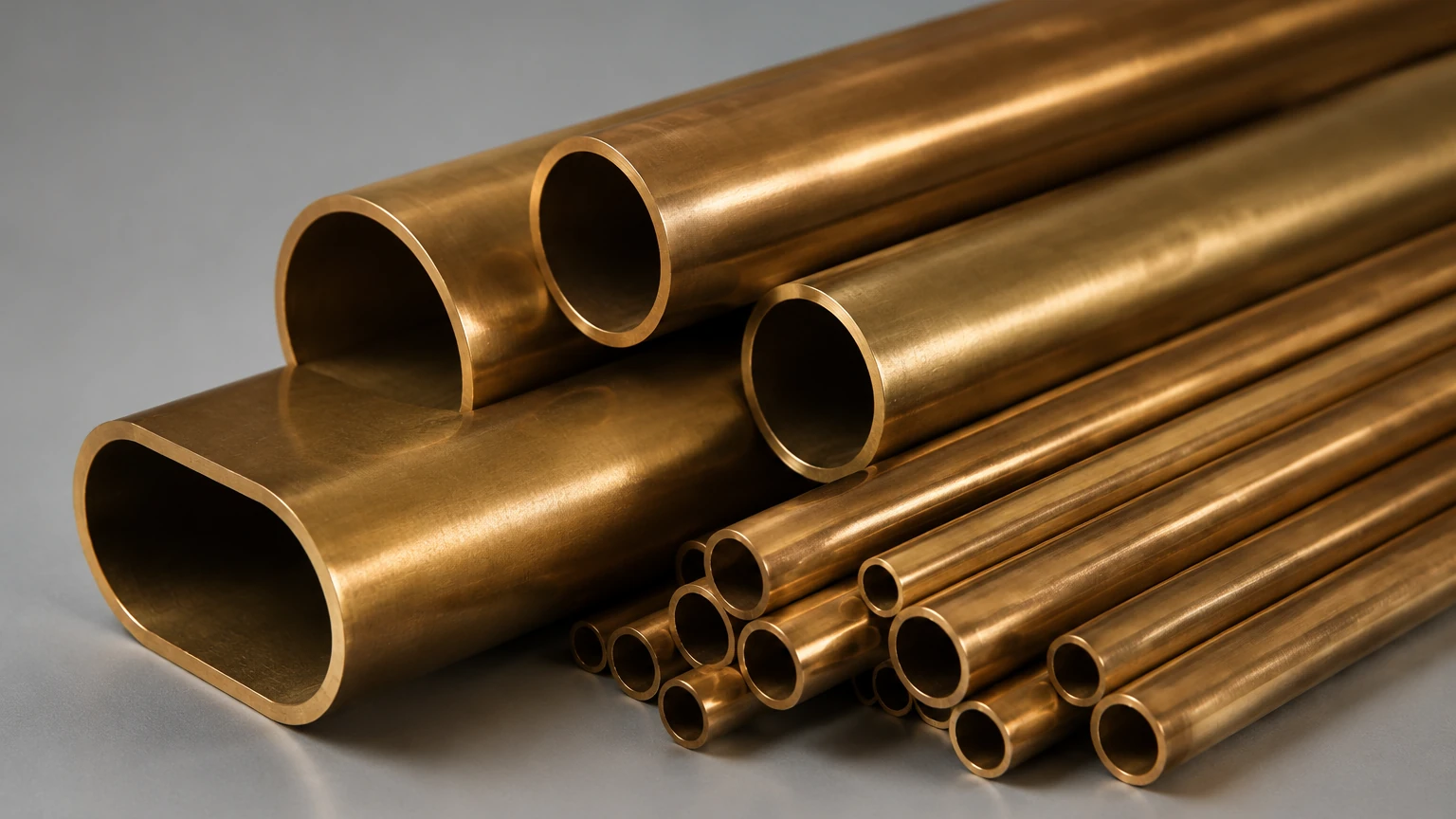
In the landscape of industrial fluid handling and thermal management, the bronze tube remains a critical component for engineers seeking a balance between corrosion resistance, mechanical strength, and thermal conductivity. While modern industrial filtration often gravitates toward stainless steel for its high-purity applications, bronze alloys occupy a specialized niche in marine, chemical, and hydraulic systems. For technical professionals and purchasing teams, understanding the nuances of bronze tube selection is essential to ensuring system longevity and operational efficiency.
As a professional manufacturer of custom stainless steel filtration solutions, Kaifil recognizes that material compatibility is the foundation of any successful industrial design. Whether you are integrating a Main Page filtration system or designing a complex heat exchanger, the choice of tubing material dictates the maintenance cycle and total cost of ownership (TCO) of the entire installation.
Understanding Bronze Tube in Industrial Engineering
Bronze is an alloy consisting primarily of copper, usually with tin as the main additive, though modern industrial "bronze" often includes other elements like phosphorus, manganese, aluminum, or silicon to enhance specific physical properties. Unlike pure copper, which may lack the structural integrity for high-pressure environments, or brass, which can be susceptible to dezincification, bronze tubes offer superior fatigue resistance and stability.
In industrial settings, the term "bronze tube" often refers to several distinct alloy families. Each is engineered to address specific environmental stressors:
* Phosphor Bronze: Known for its toughness and high coefficient of elasticity. It is frequently used in bellows and diaphragms.
* Aluminum Bronze: Offers exceptional resistance to corrosion in seawater and is often used in offshore applications.
* Silicon Bronze: Highly weldable and resistant to various chemicals, making it a favorite for process piping.
For engineers, the selection process begins with identifying the primary stressor: is it chemical corrosion, thermal cycling, or mechanical wear? The answer determines the specific grade of bronze tube required for the project.
Material Grades and Alloy Characteristics
The performance of a bronze tube is dictated by its chemical composition. Standardizing bodies like ASTM (American Society for Testing and Materials) provide clear classifications that engineers must reference during the procurement phase.
Phosphor Bronze (C51000, C54400)
Phosphor bronze tubes contain between 0.5% and 11% tin and a small amount of phosphorus (0.01% to 0.35%). The phosphorus acts as a deoxidizing agent during melting and increases the fluid's flow during casting, but more importantly, it increases the wear resistance and stiffness of the finished tube. These tubes are ideal for heavy-duty industrial sleeve bearings and bushings where high loads and low speeds are common.
Aluminum Bronze (C61400, C63000)
Aluminum bronze is perhaps the most robust of the bronze families used in tubing. With aluminum content ranging from 5% to 11%, these tubes develop a hard, adherent protective oxide layer when exposed to the atmosphere or liquids. This layer is self-healing; if the surface is scratched, the oxide film reforms almost instantly. This makes aluminum bronze tubes the gold standard for seawater intake systems, condensers, and heat exchangers in desalination plants.
Silicon Bronze (C65500)
Silicon bronze tubes typically contain about 3% silicon and 1% manganese. They are prized for their ease of fabrication. For systems requiring intricate layouts or specialized fittings, silicon bronze offers excellent weldability and formability while maintaining the corrosion resistance typical of copper-based alloys.
Key Performance Advantages in Demanding Environments
Why choose a bronze tube over alternatives like PVC, carbon steel, or even certain stainless steels? The decision usually rests on three pillars: corrosion resistance, thermal performance, and biofouling inhibition.
Superior Corrosion Resistance
In environments involving brackish water, brine, or non-oxidizing acids, bronze outperforms many ferrous metals. While stainless steel is prone to pitting and crevice corrosion in stagnant seawater, bronze alloys—particularly aluminum bronze—maintain structural integrity. The formation of the protective oxide layer prevents the deep penetration of chloride ions, which is the primary cause of failure in marine piping.
Thermal Conductivity
In heat transfer applications, the thermal conductivity of the material is paramount. Bronze has a significantly higher thermal conductivity than stainless steel. This allows for more efficient heat exchange in smaller footprints. For engineers designing condensers or oil coolers, using bronze tubes can reduce the overall size of the equipment while maintaining the required cooling capacity.
Natural Antimicrobial and Anti-Fouling Properties
Copper-based alloys like bronze possess inherent antimicrobial properties. In water treatment and marine applications, biofouling—the accumulation of algae, barnacles, and bacteria—can severely restrict flow and reduce filtration efficiency. Bronze tubes naturally inhibit the growth of these organisms, leading to cleaner systems and reduced maintenance requirements compared to plastic or steel alternatives.
Comparison: Bronze Tube vs. Stainless Steel Filtration Components
While Kaifil specializes in stainless steel filtration, it is important to understand where bronze tubes complement or compete with stainless steel components. Choosing between these materials requires an analysis of the fluid chemistry and the operating temperature.
| Feature | Bronze Tube | Stainless Steel (316L/304) |
| :— | :— | :— |
| Corrosion in Seawater | Excellent (Al-Bronze) | Moderate (Risk of Pitting) |
| Thermal Conductivity | High | Low |
| High-Purity/Food Grade | Limited | Excellent |
| Tensile Strength | Moderate | High |
| Max Operating Temp | Up to 250°C (typical) | Up to 800°C+ |
In food and beverage or pharmaceutical processing, stainless steel is the mandatory choice due to its non-reactive nature and ability to withstand aggressive Clean-in-Place (CIP) chemicals. However, in the secondary cooling loops of these same facilities, bronze tubes are often the preferred choice for heat exchangers due to their thermal efficiency and resistance to the untreated water used in cooling towers.
Critical Design and Specification Factors
When specifying a bronze tube for an industrial project, engineers must look beyond the basic alloy name. Precise technical specifications are required to ensure the component survives the intended service life.
Wall Thickness and Pressure Ratings
Industrial tubes are specified by their Outside Diameter (OD) and wall thickness. For high-pressure hydraulic or steam applications, the wall thickness must be calculated using the Barlow formula, accounting for the allowable stress of the specific bronze grade at the operating temperature. It is a common mistake to assume all bronze tubes of the same OD have the same pressure rating; a C63000 aluminum bronze tube will have a significantly higher pressure ceiling than a standard C51000 phosphor bronze tube.
Dimensional Tolerances
For tubes that will be integrated into precision assemblies, such as filter housings or manifold systems, tolerances on eccentricity and straightness are vital. If a tube is slightly out-of-round, it may fail to seat properly in a tube sheet, leading to leaks that are difficult to repair once the system is commissioned.
Surface Finish
The internal surface roughness (Ra) of the tube affects both fluid friction and the likelihood of sediment buildup. In filtration-adjacent applications, a smoother internal bore reduces pressure drop across the system, allowing pumps to operate more efficiently.
Maintenance, Durability, and Total Cost of Ownership
The initial purchase price of a bronze tube is often higher than that of carbon steel or certain plastics. However, the Total Cost of Ownership (TCO) frequently favors bronze in corrosive environments.
Replacement Cycles
In marine cooling systems, carbon steel pipes may require replacement every 2 to 5 years due to internal scaling and corrosion. A properly specified aluminum bronze tube can last 20 years or more in the same environment. When factoring in the cost of downtime, labor for replacement, and the risk of catastrophic failure, the higher upfront investment in bronze often yields a better return on investment (ROI).
Cleaning and Maintenance
Unlike stainless steel, which may require specialized pickling and passivation to maintain its corrosion resistance, bronze is relatively low-maintenance. Cleaning usually involves mechanical brushing or mild chemical descaling. However, engineers must be cautious with high-velocity flows; if the fluid velocity exceeds the design limits for the specific bronze alloy, the protective oxide layer can be stripped away, leading to erosion-corrosion.
Procurement and Customization for Industrial Systems
Before finalizing a purchase order for bronze tubes, purchasing teams and engineers should confirm several key data points with their supplier. This ensures the material delivered matches the engineering requirements of the project.
1. Alloy Certification: Request Mill Test Reports (MTRs) to verify the chemical composition and mechanical properties. This is especially critical for projects requiring compliance with ISO or ASME standards.
2. Temper Requirements: Bronze tubes can be supplied in various tempers, from soft (annealed) to hard-drawn. The temper affects the tube's ability to be bent or flared without cracking.
3. Testing Protocols: For high-reliability applications, specify non-destructive testing (NDT) such as eddy current testing or hydrostatic testing to ensure there are no hidden flaws in the tube wall.
At Kaifil, we understand that every industrial application has unique demands. While our core expertise lies in manufacturing precision stainless steel filters and cartridges, we recognize the importance of the broader material ecosystem, including the use of bronze in supporting infrastructures. By selecting the right materials—whether it be a specialized bronze tube for a heat exchanger or a custom stainless steel mesh for a high-purity process—engineers can ensure their systems operate at peak performance.
For those looking to optimize their filtration processes or seeking guidance on material selection for demanding industrial environments, exploring professional manufacturing resources is the first step toward a reliable solution. Understanding the interplay between different metals and fluid dynamics is what separates a standard installation from a high-performance industrial system.
