


Capsule Filter Nylon
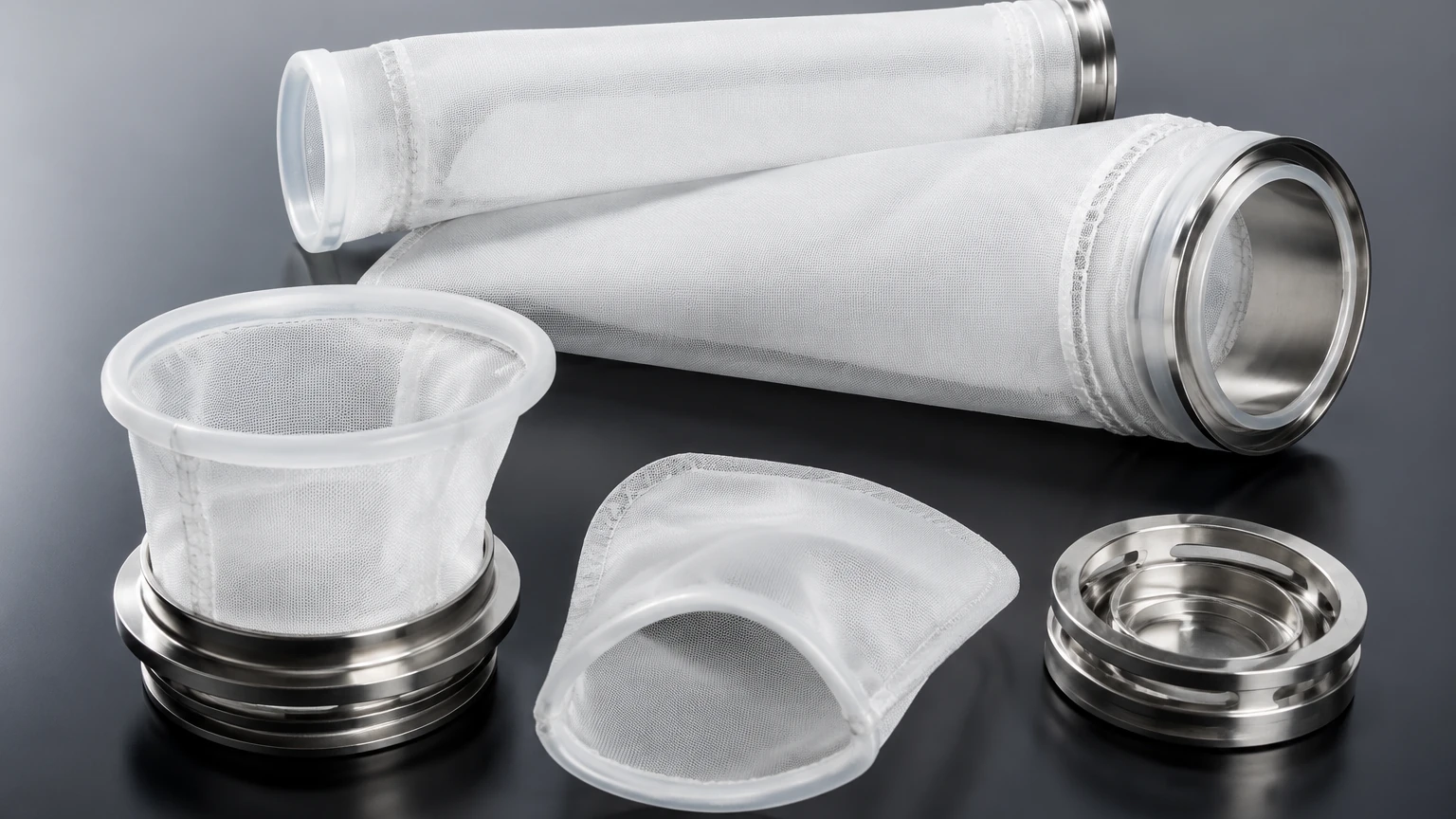
In the landscape of industrial liquid and gas processing, the selection of filtration media is a critical engineering decision that directly impacts product purity, equipment longevity, and process efficiency. The capsule filter nylon—a self-contained, disposable filtration unit utilizing a nylon membrane—represents a specialized solution for applications requiring high mechanical strength, natural hydrophilicity, and broad chemical compatibility with solvents and alkaline solutions. Unlike traditional filter cartridges that require separate stainless steel or plastic housings, capsule filters integrate the filter element and the housing into a single, ready-to-use assembly, minimizing the risk of cross-contamination and simplifying maintenance cycles.
For engineers and procurement teams, understanding the technical nuances of nylon membranes within a capsule format is essential for optimizing filtration systems. This guide examines the engineering characteristics, application suitability, and selection criteria for nylon capsule filters in high-demand industrial environments.
Technical Properties of Nylon Membranes in Capsule Filters
Nylon, specifically Nylon 66 (polyamide), is a preferred polymer for membrane filtration due to its inherent physical properties. When integrated into a capsule filter, the nylon membrane serves as the functional barrier, while the outer polypropylene or high-density polyethylene shell provides structural integrity.
Inherent Hydrophilicity
One of the primary advantages of a capsule filter nylon is its naturally hydrophilic nature. Unlike PTFE or other fluoropolymer membranes that require pre-wetting with alcohols before filtering aqueous solutions, nylon membranes wet spontaneously with water. This characteristic reduces preparation time and eliminates the risk of residual wetting agents leaching into the process stream. In high-purity applications, such as pharmaceutical manufacturing or microelectronics, this simplicity translates to lower operational costs and enhanced safety.
Mechanical Strength and Durability
Nylon membranes are characterized by high tensile strength. This robustness allows the capsule to withstand significant differential pressures during the filtration cycle without membrane rupture or bypass. In industrial settings where pressure surges may occur, the structural stability of nylon ensures consistent particle retention. Furthermore, nylon membranes exhibit low extractable levels, meaning they do not shed significant amounts of polymer fibers or chemical additives into the filtrate.
Pore Structure and Retention Efficiency
Capsule filters utilizing nylon membranes are typically available in various pore sizes, ranging from 0.1 µm to 1.0 µm. The manufacturing process for nylon membranes allows for a highly controlled, asymmetric pore structure. This design facilitates high flow rates while maintaining strict retention efficiency. For sterilizing-grade applications, 0.22 µm nylon capsule filters are standard, providing a validated barrier against microbial contaminants.
Chemical Compatibility and Temperature Limits
Selecting a capsule filter nylon requires a thorough analysis of the chemical nature of the fluid being processed. While nylon is exceptionally versatile, it has specific limitations that engineers must respect to avoid catastrophic failure or fluid contamination.
Solvent and Alkaline Resistance
Nylon membranes excel in the filtration of organic solvents, alcohols, and alkaline solutions (pH 3–14). They are frequently used in the chemical processing industry for the clarification of ketones, esters, and ethers. Because nylon is resistant to many aggressive chemicals that would degrade other polymers like PES (polyethersulfone), it is often the default choice for non-aqueous solvent filtration where PTFE is not required or is cost-prohibitive.
Limitations with Acids and Oxidants
Engineers must note that nylon is susceptible to degradation when exposed to strong acids and powerful oxidizing agents. Continuous exposure to solutions with a pH below 3 can cause the polymer chains to break down, leading to membrane thinning and eventual failure. For highly acidic processes, alternative materials such as PTFE or specialized stainless steel components from a professional manufacturer like Kaifil are recommended to ensure system integrity.
Thermal Stability
Capsule filters are generally designed for moderate temperature ranges. While the nylon membrane itself can withstand higher temperatures, the plastic housing of the capsule usually limits the operating temperature to approximately 60°C to 80°C (140°F to 176°F). If a process requires high-temperature sterilization or filtration of boiling liquids, a transition to stainless steel filter cartridges and housings is necessary. You can Review product options and application support on our Main Page to explore high-temperature metal filtration alternatives.
Engineering Considerations for Capsule Integration
Integrating a nylon capsule filter into an existing industrial line involves more than just selecting a micron rating. Several engineering factors dictate the performance and lifespan of the filter.
Effective Filtration Area (EFA)
Capsule filters are available in different lengths and diameters, which determines the Effective Filtration Area (EFA). A larger EFA allows for higher flow rates at lower differential pressures ($ΔP$). For batch processes, calculating the required EFA is vital to ensure the filtration cycle is completed within the desired timeframe without premature clogging. Over-sizing a capsule can lead to unnecessary costs, while under-sizing can cause frequent downtime for filter changes.
Integrity Testing
In regulated industries like pharmaceuticals and food and beverage, the integrity of the filter must be verified before and after use. Capsule filters with nylon membranes are compatible with standard integrity tests, such as the Bubble Point test and the Pressure Hold test. Because nylon is hydrophilic, these tests can be performed using water as the wetting fluid, simplifying the validation protocol on the factory floor.
Sterilization Methods
Most nylon capsule filters are designed to be sterilized via autoclaving or Gamma irradiation. However, they are not typically suitable for repeated Steam-In-Place (SIP) cycles due to the thermal limitations of the integrated plastic housing. For processes requiring frequent in-line steam sterilization, engineers should consider stainless steel filter housings paired with replaceable cartridges.
Common Applications for Nylon Capsule Filters
The unique combination of solvent resistance and hydrophilicity makes the capsule filter nylon a staple in several specialized sectors:
1. Pharmaceutical and Biotech: Used for the filtration of buffers, reagents, and small-volume parenterals. Nylon's high protein binding capacity can be leveraged in specific diagnostic applications, though it must be accounted for if protein recovery is the goal.
2. Microelectronics: Filtration of ultrapure water and photoresists. The low extractable profile of nylon ensures that no metallic ions or organic contaminants interfere with semiconductor wafer processing.
3. Ink and Coatings: Nylon is highly effective at filtering solvent-based inks and specialty coatings, where it removes oversized pigments and contaminants without reacting with the solvent carrier.
4. Food and Beverage: Clarification of alcoholic beverages and alkaline cleaning solutions used in Clean-In-Place (CIP) systems.
Risk Mitigation and Selection Pitfalls
To ensure the reliability of a filtration system, technical teams should avoid common pitfalls during the procurement and implementation of nylon capsule filters.
* Ignoring Protein Binding: Nylon has a higher non-specific protein binding affinity than PES. If filtering expensive protein-based drugs or biologicals, this binding can lead to significant yield loss. In such cases, a low-binding membrane or a surface-modified nylon may be required.
* Overlooking Pressure Ratings: Capsule filters have lower burst pressures than stainless steel housings. It is critical to ensure that the pump's dead-head pressure does not exceed the capsule’s maximum operating pressure, especially during cold starts when fluid viscosity is higher.
* Incompatibility with Steam: Attempting to SIP a standard plastic capsule filter will result in housing deformation and seal failure. Always verify the sterilization compatibility with the manufacturer’s technical data sheet.
Customization and Industrial Scaling
While standard capsule filters meet many needs, complex industrial environments often require customized filtration solutions. When scaling from a pilot plant using capsules to full-scale production, the filtration dynamics may change. This is where the expertise of a manufacturer like Kaifil becomes invaluable. By transitioning from disposable capsules to custom-engineered stainless steel wire mesh filters or precision metal filter cartridges, companies can achieve higher throughput, better thermal resistance, and lower long-term operational costs.
Kaifil specializes in providing reliable OEM and customized filtration solutions tailored to specific application requirements. Whether you are dealing with aggressive chemical processing, hydraulic systems, or high-pressure water treatment, the choice of filter media—whether nylon or stainless steel—must be backed by rigorous engineering data.
Conclusion
The capsule filter nylon is a versatile and efficient tool for a wide range of industrial filtration tasks, offering the benefits of natural hydrophilicity and robust chemical resistance to solvents. By understanding the mechanical limits, chemical compatibilities, and operational requirements of these units, engineers can ensure high-performance filtration that protects both the product and the process equipment.
For organizations looking to optimize their filtration infrastructure or those requiring precision-engineered metal components for more demanding environments, professional guidance is essential. Explore our comprehensive range of industrial filtration solutions and technical resources by visiting our Main Page. From material selection to customized designs, we provide the dependable components necessary for today’s complex industrial landscapes.
