


Capsule Filter Pp
In industrial filtration, the selection of a delivery system is as critical as the selection of the filter media itself. A capsule filter PP (polypropylene) represents a self-contained, disposable filtration solution designed to streamline processes by eliminating the need for separate stainless steel filter housings. These units are engineered for small to medium-scale batches where ease of use, reduced cleaning validation, and minimized exposure to the process fluid are paramount. For engineers and procurement teams, understanding the technical nuances of polypropylene capsule filters—from material compatibility to effective filtration area (EFA)—is essential for optimizing process efficiency and ensuring product purity.
Technical Specifications and Material Composition
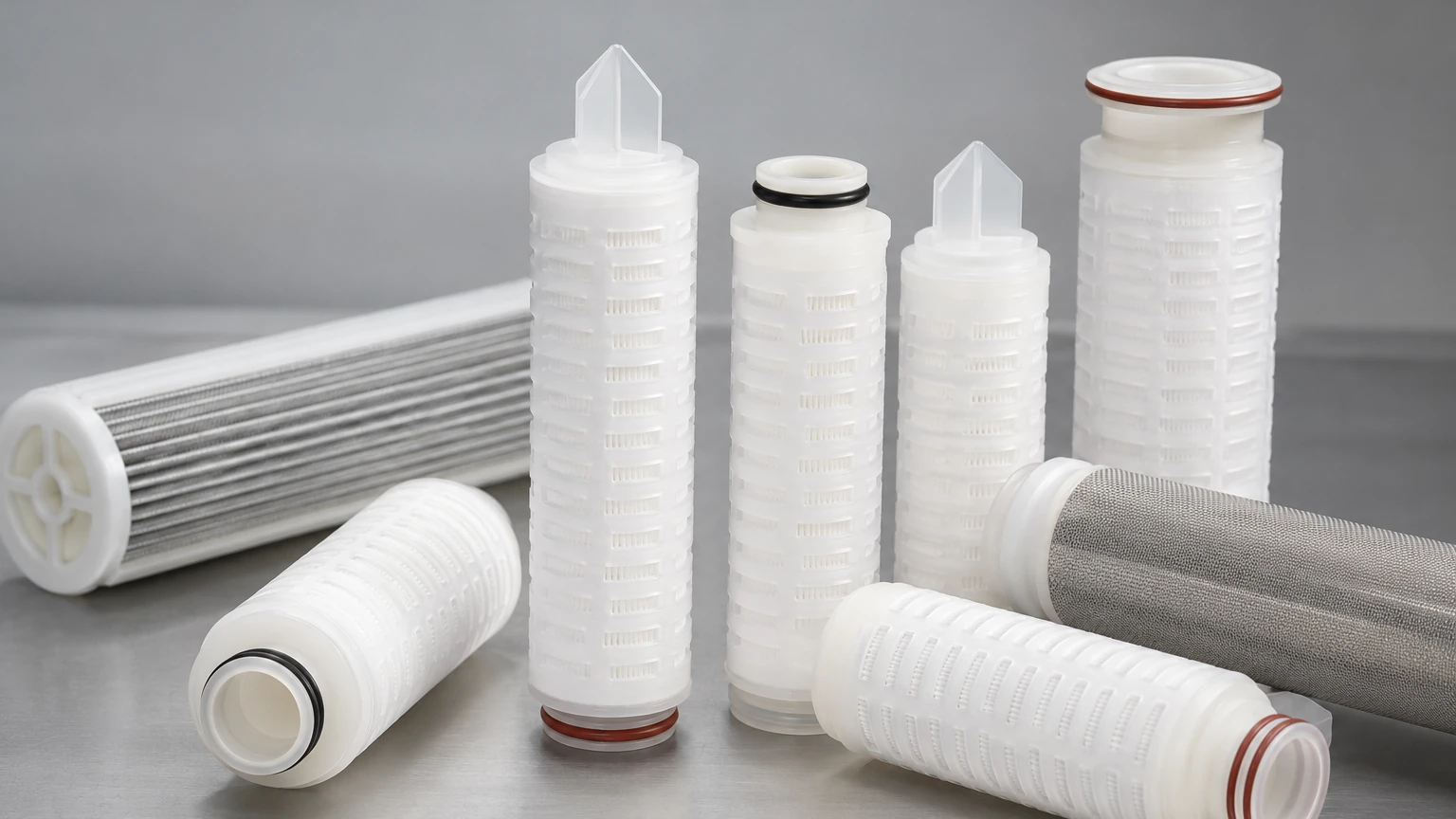
A capsule filter PP is typically constructed entirely from polypropylene components, including the filtration media, support layers, internal core, and the outer shell. This "all-polypropylene" construction is achieved through advanced thermal bonding techniques rather than the use of adhesives, resins, or binders. This is a critical engineering feature because it minimizes the risk of extractables and leachables contaminating the filtrate, which is a primary concern in pharmaceutical and high-purity chemical applications.
The filtration media within these capsules generally falls into two categories: pleated membranes or depth-style filters. Pleated polypropylene media offers a high surface area within a compact footprint, allowing for higher flow rates and lower initial differential pressure (ΔP). Conversely, depth media provides a tortuous path for particles, making it ideal for applications with a wide range of particle sizes or high solids loading.
When evaluating a capsule filter PP, engineers must confirm the grade of polypropylene used. High-purity applications often require USP Class VI plastics and materials that meet FDA requirements for food contact. The integrity of the capsule is maintained by a robust outer shell that must withstand specific operating pressures and temperatures, typically ranging up to 4-5 bar at ambient temperatures, though these ratings decrease as the operating temperature increases.
Filtration Mechanisms in Polypropylene Media
The performance of a capsule filter PP is dictated by the pore structure of the polypropylene media. Polypropylene is naturally hydrophobic, which makes it an excellent choice for gas filtration and venting applications. However, for aqueous solutions, the media is often surface-modified to be hydrophilic, ensuring spontaneous wetting and consistent flow without the need for pre-wetting with alcohols.
Pore Size and Retention Ratings
Engineers must distinguish between nominal and absolute retention ratings. A nominal rating indicates the filter's ability to retain a majority of particles at a specific micron size, whereas an absolute rating (often defined by a Beta Ratio of 5000 or 99.98% efficiency) ensures that no particles above the specified size pass through the media. In critical processes, such as the final filtration of pharmaceutical intermediates or fine chemicals, absolute-rated pleated polypropylene capsules are the standard.
Effective Filtration Area (EFA)
The EFA is a key metric for determining the service life of the capsule. A larger EFA reduces the flux (flow rate per unit area), which in turn reduces the rate of pressure buildup as the filter captures contaminants. By selecting a capsule with an optimized pleat geometry, engineers can extend the time between filter changes, reducing the total cost of ownership despite the disposable nature of the product.
Chemical Compatibility and Thermal Stability
One of the primary reasons for selecting a capsule filter PP is the broad chemical resistance of polypropylene. It is highly resistant to a wide range of acids, bases, and many organic solvents. This makes it a versatile choice for chemical processing, where stainless steel components might be susceptible to corrosion or where specialized alloys would be cost-prohibitive.
However, polypropylene has clear thermal limitations. Most PP capsules are rated for continuous operation up to 60°C or 80°C. Beyond these temperatures, the structural integrity of the polymer may degrade, leading to potential bypass or capsule failure. For processes requiring high-temperature sterilization, such as autoclaving or in-line steam sterilization (SIP), it is vital to verify the capsule's specific limits. While many PP capsules are autoclavable, they are rarely suitable for SIP due to the mechanical stresses of steam at high pressures. In such cases, a transition to a permanent Main Page solution involving stainless steel housings and replaceable cartridges may be more appropriate.
Engineering Factors for Filter Sizing and Selection
Sizing a capsule filter PP requires a balance between flow requirements, batch volume, and the physical properties of the fluid.
1. Viscosity: Higher viscosity fluids require a larger filtration area or a more open pore structure to maintain acceptable flow rates at manageable pressures.
2. Solids Loading: If the fluid contains a high concentration of deformable particles or gels, a depth-style PP capsule may be used as a pre-filter to protect more expensive downstream membrane capsules.
3. Batch Size: For laboratory-scale work (1–10 liters), small capsules with a few hundred square centimeters of EFA are sufficient. For pilot-scale or small production batches (50–500 liters), larger "junior" or full-size capsules are required.
4. Connection Types: Capsule filters come with various inlet and outlet configurations, including NPT threads, hose barbs, and sanitary flange (Tri-Clamp) fittings. Ensuring compatibility with existing piping or tubing is a simple but often overlooked step in the procurement process.
Quality Standards and Industrial Compliance
In regulated industries, the documentation accompanying a capsule filter PP is as important as the filter itself. Manufacturers should provide a Certificate of Quality that details the materials of construction, lot traceability, and compliance with specific standards.
* USP Class VI Toxicity Testing: Ensures that the plastic materials do not shed harmful substances into the process stream.
* Endotoxin Levels: For pharmaceutical applications, capsules may be tested to ensure they meet non-pyrogenic standards.
* Integrity Testing: Many pleated PP capsules are capable of being integrity tested (e.g., bubble point or pressure decay tests) to verify that the filter has not been damaged during installation or shipping.
For industrial applications like ink-jet printing or electronics manufacturing, the focus shifts toward "particle shedding." A high-quality capsule filter PP must be pre-flushed to ensure that no manufacturing debris or loose fibers from the media are introduced into the clean system.
Comparing Disposable Capsules with Permanent Systems
Deciding between a disposable capsule filter PP and a permanent stainless steel housing system involves a trade-off between capital expenditure (CAPEX) and operational expenditure (OPEX).
Disposable capsules eliminate the CAPEX of purchasing a stainless steel housing and the OPEX associated with cleaning and validating that housing between batches. This is particularly advantageous in multi-product facilities where cross-contamination is a high risk. However, for high-volume, continuous processes, the recurring cost of disposable capsules can eventually exceed the cost of a permanent system.
In many industrial environments, a hybrid approach is used. Stainless steel filters, such as those provided by specialists like Kaifil, are utilized for heavy-duty pre-filtration or high-temperature stages, while disposable PP capsules are reserved for final polishing or point-of-use filtration. This strategy leverages the durability of metal and the convenience of polymers to achieve an optimized filtration train.
Operational Best Practices and Maintenance
To maximize the performance of a capsule filter PP, several operational protocols should be followed:
* Venting: Air trapped inside the capsule can block the filtration media, leading to localized high-pressure zones and reduced flow. Most industrial capsules include a vent valve at the highest point to allow for the complete removal of air during priming.
* Pressure Monitoring: Installing pressure gauges upstream and downstream of the capsule allows operators to monitor the differential pressure. A capsule should typically be replaced when the ΔP reaches a predetermined terminal limit (usually 2.0 to 2.5 bar) to prevent media rupture.
* Forward Flow Direction: Always ensure the fluid enters the designated inlet. Reversing the flow can cause the pleats to collapse against the outer cage, significantly reducing efficiency and potentially damaging the filter.
Conclusion
The capsule filter PP is a vital component in modern industrial filtration, offering a combination of chemical versatility, ease of use, and high purity. By carefully selecting the micron rating, media type, and EFA, engineers can ensure that their processes remain efficient and their end products meet the required quality standards. While disposables offer significant advantages in flexibility and contamination control, they should be integrated into a broader filtration strategy that considers the total volume, temperature, and chemical nature of the process. For those managing complex industrial systems, balancing these disposable units with robust, custom-engineered metal filtration components ensures long-term reliability and cost-effectiveness.
