


Capsule Filters
In industrial filtration, the selection of a filtration format is as critical as the selection of the filter media itself. Capsule filters represent a self-contained, ready-to-use solution designed to simplify filtration processes while maintaining high standards of purity and efficiency. Unlike traditional filter cartridges that require a separate stainless steel or plastic housing, capsule filters integrate the filter element and the housing into a single, disposable unit. This design minimizes the risk of operator exposure to hazardous fluids, reduces the time required for cleaning and validation, and prevents cross-contamination in multi-product facilities.
For engineers and procurement teams, understanding the technical nuances of capsule filters is essential for optimizing pilot-scale operations, laboratory research, and point-of-use industrial applications. These components are particularly prevalent in sectors where sterility, chemical compatibility, and ease of maintenance are paramount.
Understanding the Role of Capsule Filters in Industrial Filtration
Capsule filters are engineered for small to medium-volume filtration tasks. Their primary advantage lies in their "plug-and-play" nature. By eliminating the need for a dedicated filter housing, they remove the labor-intensive steps of housing assembly, disassembly, and cleaning-in-place (CIP). This makes them an ideal choice for batch processing where rapid changeovers are necessary.
In many industrial workflows, capsule filters serve as a bridge between laboratory-scale development and full-scale production. Because they often utilize the same membrane materials found in larger filter cartridges, they allow for predictable scaling. Engineers can evaluate the performance of a specific media in a capsule format before investing in large-scale stainless steel filtration systems, such as those found on the Kaifil Main Page, ensuring that the filtration characteristics remain consistent as volumes increase.
Key Engineering and Design Considerations
When evaluating capsule filters, several engineering parameters must be assessed to ensure the component meets the operational demands of the system. These considerations go beyond simple micron ratings and delve into the physical and mechanical limits of the unit.
Effective Filtration Area (EFA)
The Effective Filtration Area (EFA) is a critical metric that dictates the flow rate and the total throughput of the capsule. A larger EFA generally allows for higher flow rates at lower differential pressures, which can extend the service life of the filter by reducing the rate of cake buildup on the membrane surface. Engineers must balance the EFA with the physical footprint of the capsule to ensure it fits within the existing piping or equipment layout.
Hold-up Volume
In applications involving high-value fluids, such as pharmaceutical active ingredients or specialty chemicals, minimizing hold-up volume—the amount of liquid remaining in the filter after the process is complete—is vital. Capsule filters are designed with optimized internal geometries to ensure maximum product recovery. Low hold-up volume designs reduce waste and improve the overall cost-efficiency of the process.
Venting and Draining
Proper venting is necessary to remove air from the system during startup, which prevents airlocks and ensures the entire surface area of the filter media is utilized. Most industrial-grade capsule filters feature integrated vent and drain valves. The placement and type of these valves (e.g., NPT, hose barb, or compression fittings) must be compatible with the surrounding infrastructure to prevent leaks and ensure a secure connection.
Material Compatibility and Selection Factors
The performance of a capsule filter is heavily dependent on the compatibility between the process fluid and the materials used in the capsule’s construction. This includes both the filtration media and the outer shell (housing).
Membrane Media Options
Depending on the application, various polymers are used for the filtration membrane:
* Polyethersulfone (PES): Known for high flow rates and low protein binding, making it a standard in biopharmaceutical applications.
* Polytetrafluoroethylene (PTFE): Highly resistant to aggressive chemicals and solvents. PTFE is often used for venting and gas filtration due to its hydrophobic nature.
* Polypropylene (PP): A versatile material used for pre-filtration and clarification of chemicals and food products.
* Nylon: Often selected for its natural hydrophilicity and resistance to solvents and alkaline solutions.
Capsule Shell and Hardware
The outer shell of the capsule is typically manufactured from high-purity polypropylene. This material provides a robust barrier against external contaminants and offers broad chemical resistance. However, for applications involving extreme temperatures or high-pressure surges, engineers must verify the mechanical limits of the polypropylene shell. In scenarios where plastic housings are insufficient, the transition to stainless steel filter components becomes necessary to ensure structural integrity.
Performance Evaluation: Flow Rates and Pressure Differential
A fundamental aspect of filter selection is understanding the relationship between flow rate and pressure drop ($ΔP$). As fluid passes through the capsule, the resistance of the media causes a drop in pressure.
Initial vs. Terminal Pressure Drop
The initial pressure drop is the $ΔP$ across a clean filter. As the filter captures contaminants, the $ΔP$ increases. Engineers must define a terminal pressure drop—the point at which the filter is considered fouled and must be replaced. Operating beyond the recommended terminal pressure drop can lead to "breakthrough," where contaminants are forced through the media, or mechanical failure of the capsule itself.
Viscosity and Temperature Effects
Fluid viscosity significantly impacts flow performance. Higher viscosity fluids require more pressure to achieve the same flow rate as water-like fluids. Additionally, temperature can affect both the viscosity of the fluid and the mechanical strength of the capsule shell. It is standard practice to consult flow-rate-vs-pressure-drop charts provided by the manufacturer, which are typically calibrated using water at room temperature, and apply correction factors for the specific process conditions.
Application-Specific Requirements for Industrial Sectors
Capsule filters are utilized across diverse industries, each with its own set of regulatory and performance standards.
Pharmaceutical and Biotechnology
In these sectors, capsule filters must often be sterile and non-pyrogenic. They are frequently subjected to integrity testing (such as the bubble point or diffusion test) to ensure the membrane is free of defects. Compatibility with sterilization methods, such as autoclaving or Gamma irradiation, is a non-negotiable requirement for many biotech processes.
Chemical Processing
For chemical applications, the focus shifts to chemical compatibility and solvent resistance. Capsule filters are used for the point-of-use filtration of photoresists, inks, and specialty solvents. The integrity of the seals and the robustness of the polypropylene shell are critical to preventing hazardous leaks.
Food and Beverage
Filtration in the food and beverage industry requires materials that comply with FDA or EU food contact regulations. Capsule filters are used for small-batch filtration of flavors, fragrances, and additives, where preventing cross-contamination between batches is essential.
Common Operational Risks and Mitigation Strategies
While capsule filters are designed for reliability, several risks can compromise their performance if not properly managed.
* Chemical Incompatibility: Using a capsule with a fluid that degrades the membrane or housing can lead to catastrophic failure. Always cross-reference chemical compatibility charts before installation.
* Pressure Surges: Rapidly opening valves can cause pressure spikes (water hammer) that may rupture the internal pleats of the filter or the external shell. Implementing slow-opening valves and pressure regulators can mitigate this risk.
* Improper Venting: Failure to vent air can lead to incomplete wetting of the membrane, resulting in reduced flow rates and inaccurate integrity test results.
* Bypass: If the capsule is not correctly connected to the process line, fluid may bypass the filtration media entirely. Ensuring the correct fitting types (e.g., Sanitary Flange, NPT, or Quick Connect) and proper installation torque is essential.
Transitioning from Capsule Filters to Scalable Filtration Systems
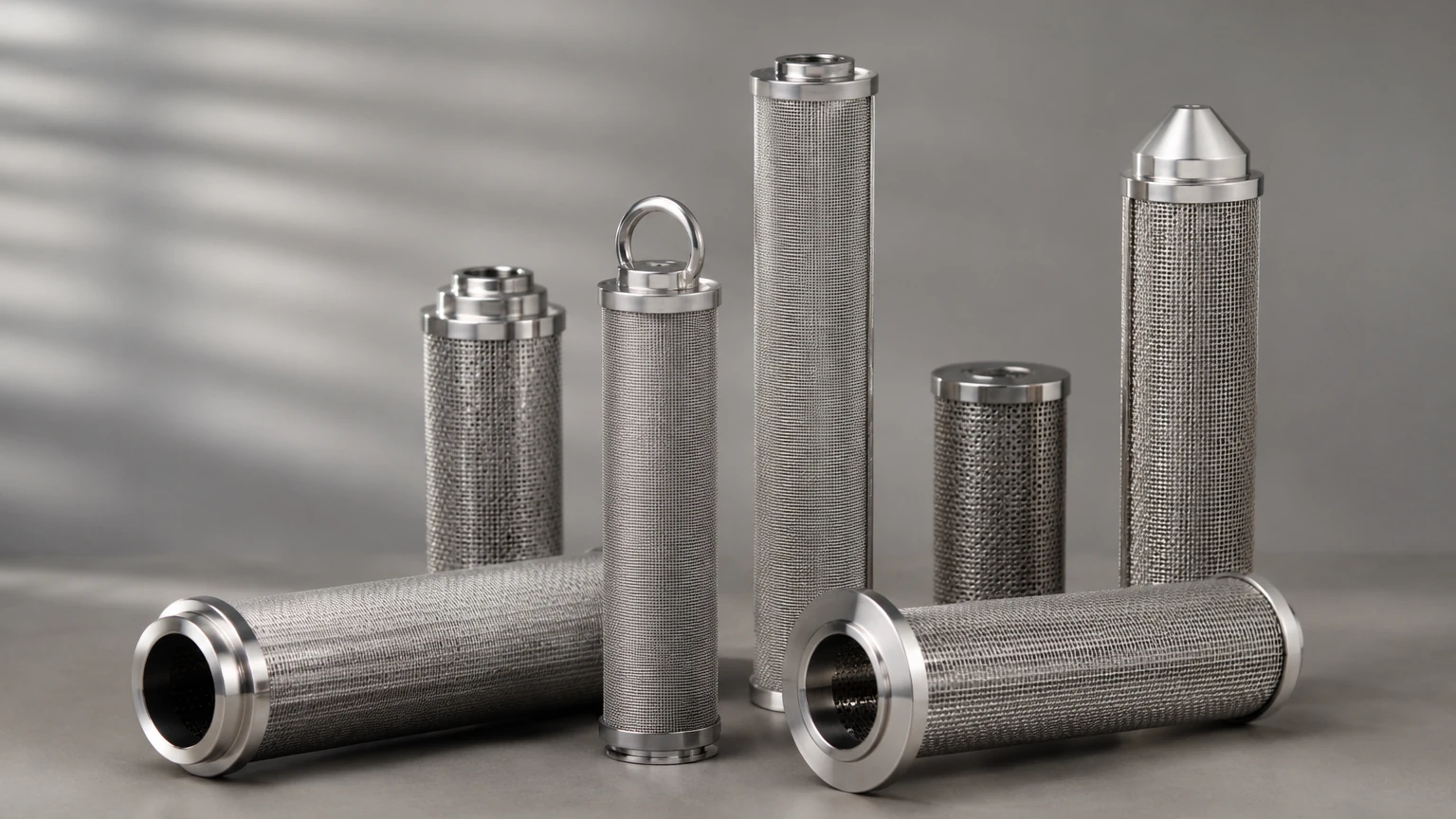
As production volumes increase, the cost-per-liter of using disposable capsule filters may become prohibitive. At this stage, engineers typically transition to permanent stainless steel filter housings and replaceable filter cartridges. This shift allows for higher throughput, greater mechanical durability, and lower long-term operational costs.
When scaling up, it is important to maintain the same filtration media and micron rating to ensure the consistency of the final product. Manufacturers like Kaifil specialize in providing the precision metal filtration components and stainless steel cartridges required for these larger-scale industrial environments. By understanding the performance characteristics established during the capsule filtration phase, engineers can more accurately specify the requirements for their permanent filtration infrastructure.
Conclusion: Technical Confirmation Before Purchase
Selecting the right capsule filter requires a thorough understanding of the process fluid, the required cleanliness levels, and the mechanical constraints of the system. Before finalizing a purchase, technical professionals should confirm the following:
1. Chemical Compatibility: Does the fluid react with the membrane or the housing material?
2. Operating Parameters: Are the maximum operating pressure and temperature within the capsule’s rated limits?
3. Sterilization Needs: Does the capsule need to be autoclaved or is it pre-sterilized?
4. Connection Types: Are the inlet and outlet fittings compatible with existing piping?
5. Validation Requirements: Is documentation required for regulatory compliance (e.g., USP Class VI plastics or FDA compliance)?
By addressing these factors, engineering teams can ensure that their choice of capsule filters provides reliable, efficient, and cost-effective performance within their industrial processes.
