


Casing Oil and Gas
In the exploration and production sectors of the energy industry, the integrity of the wellbore is paramount. Casing oil and gas operations involve the installation of a series of metal pipes inside a freshly drilled borehole to provide structural stability, prevent the contamination of freshwater zones, and isolate different pressurized formations. While the casing itself is a mechanical barrier, the efficiency and longevity of these systems depend heavily on the purity of the fluids circulating within them. Industrial filtration plays a critical role in maintaining this purity, protecting the casing from internal erosion and ensuring that completion fluids do not compromise the geological formation.
For engineers and procurement specialists, understanding the intersection of casing design and filtration technology is essential. High-performance stainless steel filtration components are required to handle the extreme pressures, temperatures, and corrosive environments typical of deep-well operations. This article examines the technical requirements of casing systems and the engineering considerations for selecting filtration solutions that support long-term well productivity.
The Fundamental Role of Casing in Well Construction
Casing is the structural backbone of any oil and gas well. It is typically composed of high-strength steel joints threaded together to form a continuous string. The primary functions of casing oil and gas systems include:
1. Wellbore Stabilization: Preventing the walls of the borehole from collapsing into the well.
2. Zonal Isolation: Separating different geological strata to prevent the migration of fluids (such as oil, gas, or water) between layers.
3. Pressure Control: Providing a high-pressure conduit for drilling fluids and, eventually, production fluids.
4. Environmental Protection: Shielding groundwater and aquifers from drilling chemicals and hydrocarbons.
Casing is generally installed in stages: surface casing, intermediate casing, and production casing. Each stage requires specific fluid management strategies. For example, the production casing, which is the final string through which the oil or gas will flow, must be protected from particulate matter that could cause abrasion or scaling. This is where precision filtration becomes a technical necessity.
Filtration Requirements for Casing Integrity and Performance
During the completion phase of a well, various fluids—including brines, packer fluids, and fracturing fluids—are pumped into the casing. If these fluids contain suspended solids or contaminants, they can settle in the casing, leading to several operational risks:
* Erosion-Corrosion: High-velocity fluids carrying abrasive particles can wear down the internal walls of the casing, especially at joints and bends.
* Formation Plugging: If particles bypass the filtration system and enter the production zone, they can clog the pores of the reservoir rock, drastically reducing the flow rate.
* Equipment Failure: Debris can damage downhole pumps, valves, and sensors located within the casing string.
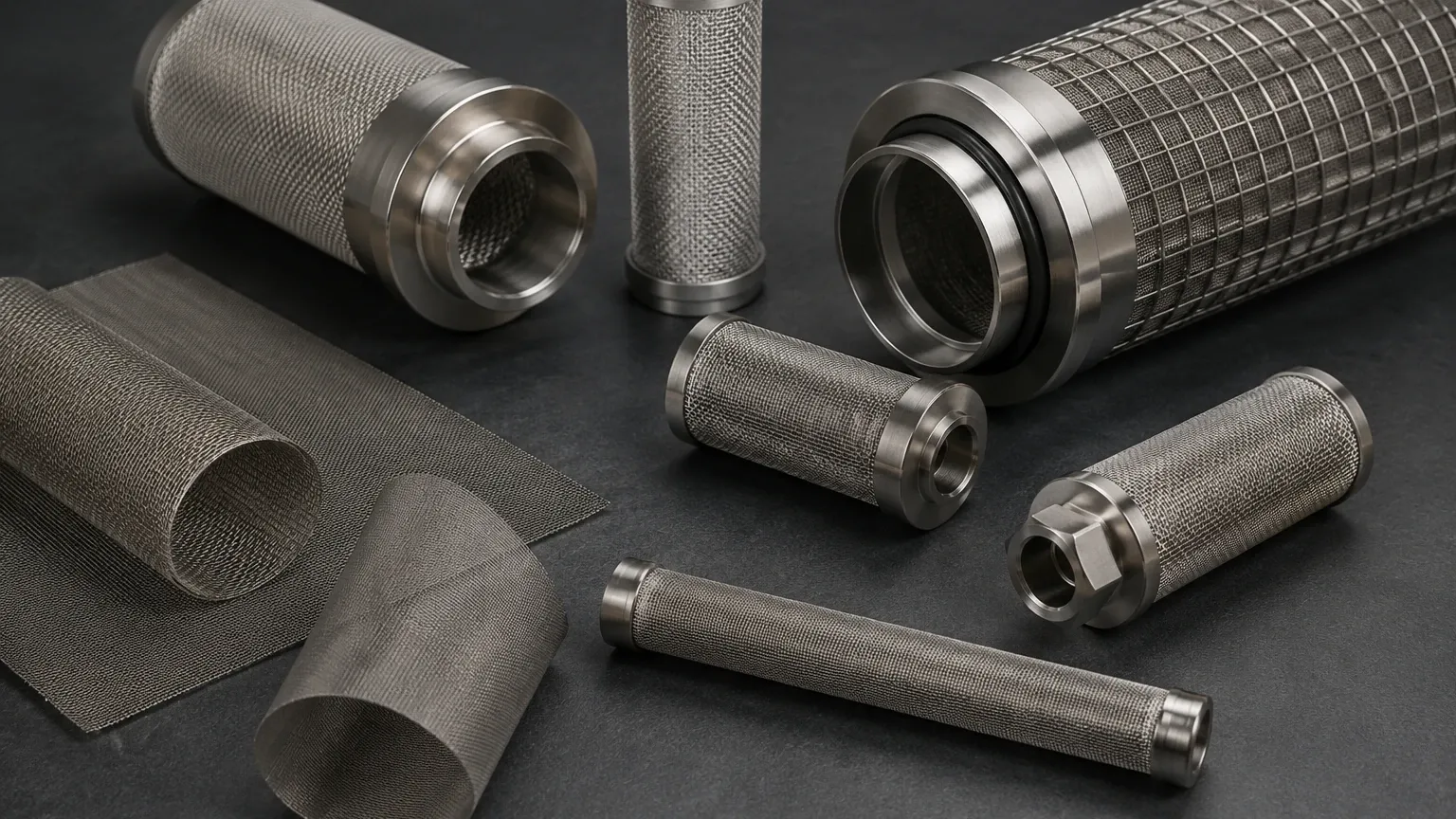
To mitigate these risks, engineers employ stainless steel wire mesh filters and filter cartridges. These components are designed to remove particles down to specific micron ratings, ensuring that only clean fluids contact the casing and the reservoir. The use of stainless steel is non-negotiable in these applications due to its ability to withstand the mechanical stresses and chemical exposure found in casing oil and gas environments.
Material Selection: Stainless Steel Solutions for Harsh Environments
Selecting the right material for filtration components in casing operations requires a deep understanding of the well's chemical and thermal profile. Stainless steel remains the industry standard for several reasons:
Corrosion Resistance
Oil and gas wells often contain hydrogen sulfide (H2S) and carbon dioxide (CO2), which create highly corrosive "sour" environments. Grades such as 316L stainless steel or specialized alloys provide the necessary resistance to pitting and stress corrosion cracking. This ensures that the filter remains intact throughout the completion process, preventing bypass and maintaining casing integrity.
Thermal Stability
Bottom-hole temperatures can exceed 150°C (300°F) in deep wells. Synthetic filter media often fail or degrade under these conditions. Stainless steel wire mesh and sintered metal cartridges maintain their structural integrity and filtration accuracy at extreme temperatures, providing reliable performance where other materials cannot.
Mechanical Strength
Filtration units used in casing oil and gas applications must withstand high differential pressures. Sintered wire mesh, which involves bonding multiple layers of mesh through a heat-treatment process, offers superior mechanical strength and resistance to collapse. This is vital when pumping high-viscosity drilling muds or heavy completion brines through the filtration system.
Engineering Considerations for Casing-Related Filtration Systems
When specifying filtration for casing operations, engineers must look beyond simple micron ratings. Several technical factors influence the effectiveness of the filtration system:
Micron Rating and Efficiency
Absolute vs. nominal micron ratings must be clearly defined. In casing completion, absolute filtration is often required to ensure that 100% of particles above a certain size (e.g., 5 or 10 microns) are removed. This prevents the accumulation of fine silts that can lead to "bridging" and subsequent blockage in the production string.
Flow Rate and Pressure Drop (ΔP)
High flow rates are common in oil and gas operations. A filter must provide a large effective filtration area to minimize the initial pressure drop. If the ΔP is too high, it can lead to pump cavitation or reduced operational efficiency. Pleated stainless steel cartridges are frequently used because they offer a significantly higher surface area compared to cylindrical filters of the same footprint.
Cleanability and Reusability
In many industrial settings, the ability to clean and reuse filters is a major cost-saving factor. Stainless steel filters can be backwashed or ultrasonically cleaned, extending their service life. This is particularly beneficial in offshore casing oil and gas operations where logistics for replacement parts are complex and expensive.
Managing Sand and Particulates in Production Casing
One of the most significant challenges in casing oil and gas production is sand control. In unconsolidated formations, sand can flow into the casing along with the hydrocarbons. This sand acts as a powerful abrasive, capable of cutting through steel casing and surface equipment in a short period.
To manage this, engineers utilize sand screens and specialized wire mesh filters integrated into the completion string. These filters are designed with precise pore sizes to allow oil and gas to pass while blocking sand grains. The design of these screens must account for the "slot size" or mesh opening, which is determined by a sieve analysis of the formation sand. Using a filter that is too fine will lead to premature plugging, while a filter that is too coarse will allow damaging sand to enter the casing.
Customized filtration solutions, such as those manufactured by Kaifil, allow for the precise tailoring of mesh structures to match the specific geological requirements of a well. This customization is critical for optimizing the balance between sand retention and fluid flow.
Operational Maintenance and Filter Replacement Strategies
The total cost of ownership for filtration in casing oil and gas operations is not just the purchase price, but also the cost of maintenance and downtime. A robust filtration strategy involves continuous monitoring of differential pressure across the filter housing. An unexpected spike in ΔP usually indicates that the filter has reached its dirt-holding capacity and requires cleaning or replacement.
Replacement Cycles
The replacement cycle depends on the volume of fluid processed and the concentration of contaminants. In high-solids environments, redundant filtration systems (duplex filters) are often used so that one filter can be serviced while the other remains online. This prevents the need to halt casing operations, which can cost thousands of dollars per hour in rig time.
Quality Assurance
For B2B procurement teams, verifying the manufacturing standards of filtration components is essential. Filters should be tested for bubble point (to ensure pore integrity) and collapse pressure. Reliable manufacturers provide documentation that confirms the material grade and filtration performance, ensuring the components will not fail under the rigorous conditions of the oilfield.
Conclusion
Casing oil and gas operations are complex engineering feats that require the highest standards of material and component performance. Filtration is not merely a peripheral concern; it is a fundamental safeguard for the well's structural integrity and its long-term commercial viability. By selecting high-quality stainless steel wire mesh and filter cartridges, engineers can prevent casing erosion, protect formation permeability, and reduce the frequency of costly workovers.
As a professional manufacturer specializing in custom stainless steel filtration solutions, Kaifil provides the technical expertise and manufacturing precision required for demanding industrial applications. From material selection to customized designs, we support engineers in achieving efficient and durable filtration performance. For more information on our full range of products and technical capabilities, please visit our Main Page. Review product options and application support to find the right filtration solution for your specific industrial requirements.
