


Catalytic Filtration
In the landscape of modern industrial processing, the demand for efficiency and multi-functionality has led to the advancement of catalytic filtration. This technology represents a sophisticated integration of physical separation and chemical transformation within a single unit operation. For engineers and technical procurement teams, understanding the mechanics, material requirements, and operational variables of catalytic filtration is essential for optimizing processes in chemical manufacturing, emission control, and pharmaceutical production.
Catalytic filtration is not merely about removing particulate matter; it is about leveraging the surface area of a filter medium to host a catalyst that facilitates a specific chemical reaction. By combining these two steps, industrial facilities can reduce their equipment footprint, lower energy consumption, and improve product purity. This guide examines the technical foundations of catalytic filtration, the critical role of stainless steel substrates, and the engineering considerations necessary for successful implementation.
Understanding the Principles of Catalytic Filtration
At its core, catalytic filtration functions through a dual-action mechanism. Traditional filtration relies on mechanical sieving, depth filtration, or cake formation to remove solids from a fluid stream. Catalytic filtration adds a secondary layer of utility: the filter media itself, or a coating applied to it, acts as a catalyst to convert gaseous or liquid reactants into desired products or harmless byproducts.
The Dual-Function Mechanism
In a typical catalytic filter, the fluid (liquid or gas) passes through a porous structure. As the fluid makes contact with the internal surfaces of the pores, chemical reactions occur. This is particularly effective in applications like Volatile Organic Compound (VOC) abatement or selective catalytic reduction (SCR) of nitrogen oxides (NOx). The proximity of the filtration site to the reaction site ensures that the fluid is both cleaned of particulates and chemically modified in a single pass.
Surface Area and Kinetics
The efficiency of any catalytic process is heavily dependent on the available surface area. In catalytic filtration, the filter media—often constructed from fine wire mesh or sintered metal fibers—provides an exceptionally high surface-to-volume ratio. This allows for maximum contact between the reactants and the catalyst, enhancing the reaction kinetics without requiring excessively large reactor vessels.
The Role of Stainless Steel in Catalytic Filtration Systems
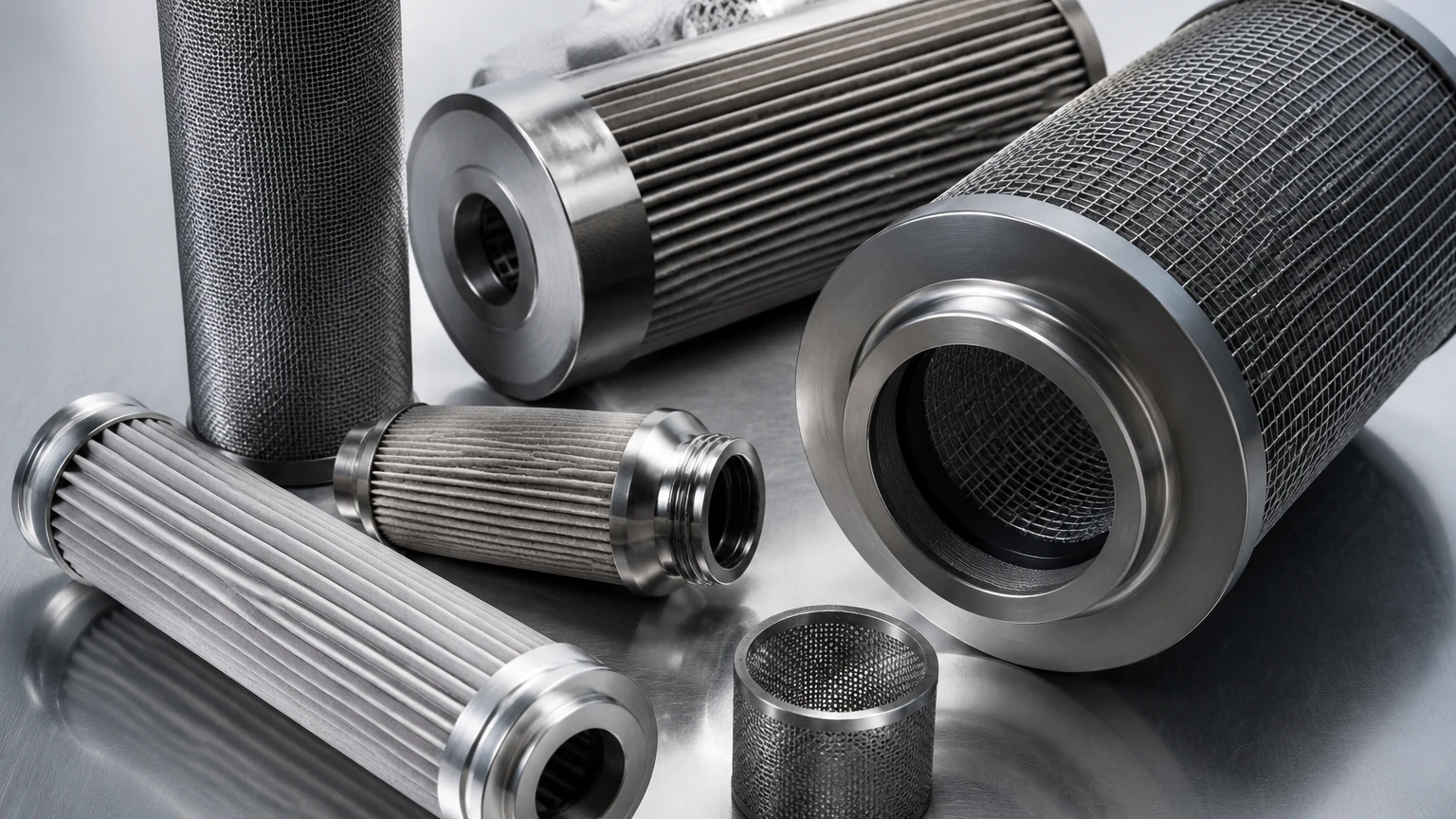
The choice of substrate is critical in catalytic filtration because it must withstand not only the physical stresses of filtration (such as pressure differentials and flow velocity) but also the chemical and thermal environment of the reaction. Stainless steel, particularly in the form of precision-engineered wire mesh and sintered cartridges, has emerged as the industry standard for these demanding applications.
Thermal and Chemical Stability
Many catalytic reactions occur at elevated temperatures or in corrosive environments. Stainless steel alloys, such as 316L or specialized high-temperature ferritic steels, provide the necessary oxidation resistance and mechanical strength. Unlike ceramic filters, which can be brittle and prone to thermal shock, stainless steel components offer ductility and durability, ensuring a longer service life in fluctuating industrial conditions.
Precision Manufacturing for Catalyst Support
Manufacturers like Kaifil specialize in creating the intricate metal structures required for these systems. Whether it is a multi-layered wire mesh or a sintered metal fiber felt, the substrate must have a controlled pore size distribution. This precision ensures that the catalyst coating remains adhered to the surface and that the filtration efficiency remains consistent. For more information on custom metal filtration components, engineers can visit the Main Page to explore material specifications and configuration options.
Engineering Challenges and Selection Criteria
Selecting a catalytic filtration system requires a balance between filtration performance and chemical throughput. Engineers must evaluate several technical parameters to ensure the system meets the specific needs of the application.
Pressure Drop and Flow Management
One of the primary concerns in any filtration system is the pressure drop across the media. In catalytic filtration, the addition of a catalyst layer can further restrict flow. Engineering the substrate to have high porosity while maintaining structural integrity is vital. A high pressure drop increases energy costs and can lead to mechanical failure of the filter element if not properly managed. Designers must calculate the "clean" pressure drop and the anticipated increase as particulates accumulate.
Catalyst Adhesion and Loading
The method by which the catalyst is integrated into the filter is a significant engineering challenge. Common methods include wash-coating, where a slurry containing the catalyst is applied to the metal substrate, or electrochemical deposition. The substrate's surface morphology must be optimized to ensure strong adhesion, preventing the catalyst from "dusting" or leaching into the filtrate, which would result in both a loss of catalytic activity and product contamination.
Pore Size vs. Reaction Time
There is often a trade-off between filtration fineness and the residence time required for the chemical reaction. Smaller pores provide better filtration but may increase the velocity of the fluid through the media, potentially reducing the time available for the catalyst to act. Engineers must find the "sweet spot" where the residence time is sufficient for the desired conversion rate while meeting the particulate removal requirements.
Industrial Applications of Catalytic Filtration
The versatility of catalytic filtration allows it to be used across a broad spectrum of industries, each with unique requirements for filtration accuracy and chemical processing.
Chemical and Petrochemical Processing
In the chemical industry, catalytic filters are used for the recovery of precious metal catalysts from slurry reactors. By using a catalytic filter, the system can simultaneously remove the catalyst particles and facilitate secondary reactions, such as the decomposition of unwanted byproducts. This streamlined approach reduces the need for multiple separation stages.
Emission Control and Environmental Protection
One of the most common uses of catalytic filtration is in the treatment of industrial exhaust gases. Sintered metal filters coated with catalysts can remove fly ash while simultaneously reducing NOx or dioxins. This is particularly useful in waste-to-energy plants and biomass combustion facilities where space is limited and emission standards are stringent.
Pharmaceutical and Fine Chemical Production
In pharmaceutical manufacturing, maintaining product purity is paramount. Catalytic filtration is employed in hydrogenation processes where the filter removes the solid catalyst while ensuring the reaction reaches completion. The use of stainless steel ensures that there is no leaching of materials into the sensitive pharmaceutical products, adhering to strict regulatory standards.
Maintenance, Durability, and Replacement Cycles
For purchasing teams and maintenance engineers, the total cost of ownership is a primary concern. Unlike standard filters, catalytic filters represent a higher initial investment due to the cost of the catalyst and the complexity of the substrate.
Monitoring Catalyst Deactivation
Over time, catalysts can lose their effectiveness due to poisoning (chemical bonding with impurities), fouling (physical covering of active sites), or thermal degradation. Monitoring the chemical output of the filter is as important as monitoring the pressure drop. A drop in conversion efficiency often indicates that the catalyst layer needs regeneration or that the filter element requires replacement.
Cleaning and Regeneration
One of the significant advantages of stainless steel catalytic filters is their cleanability. Depending on the nature of the contaminants, these filters can be cleaned using ultrasonic baths, chemical backwashing, or thermal burnout. However, the cleaning process must be carefully designed to ensure it does not strip the catalyst coating or damage the delicate wire mesh structure. Manufacturers often provide specific protocols for maintaining the integrity of the catalytic layer during routine cleaning.
Predicting Service Life
The service life of a catalytic filter is determined by both its physical durability and its chemical activity. In many industrial environments, a well-maintained stainless steel catalytic filter can last several years. Establishing a predictable replacement cycle involves regular testing of the filtrate and periodic inspections of the filter media for signs of erosion or structural fatigue.
Optimizing Total Cost of Ownership (TCO)
When evaluating catalytic filtration solutions, it is important to look beyond the initial purchase price. The integration of two processes into one often results in significant long-term savings.
1. Reduced Capital Expenditure (CAPEX): By eliminating the need for a separate reactor vessel and a separate filtration unit, the initial footprint and piping costs are reduced.
2. Operational Savings (OPEX): Lower energy requirements for heating and pumping, combined with reduced maintenance of a single integrated system, contribute to lower daily operating costs.
3. Improved Yield and Quality: Enhanced reaction control and superior particulate removal often lead to higher product yields and fewer batches that fail to meet quality specifications.
Custom Solutions for Specialized Filtration Needs
Every industrial process has unique variables, from the viscosity of the fluid to the specific chemical reactants involved. Standard off-the-shelf filters rarely provide the optimized performance required for high-stakes catalytic applications. This is where the expertise of a specialized manufacturer becomes invaluable.
Customization options include varying the alloy composition of the wire mesh, adjusting the weave pattern to control flow characteristics, and designing custom housing geometries that fit into existing process lines. By working closely with an OEM partner, engineers can ensure that the catalytic filtration system is tailored to the specific thermal and chemical demands of their facility.
For technical professionals seeking to implement or upgrade their filtration systems, consulting with experts in metal filtration is the first step toward achieving optimized performance. To review product options and application support, please visit the Main Page for a comprehensive overview of available technologies and engineering services. Through precise manufacturing and a deep understanding of industrial filtration principles, it is possible to achieve reliable, durable, and highly efficient catalytic performance in any demanding environment.
