


Filter Pocket
In the landscape of industrial filtration, the design of a filter element is as critical as the material from which it is constructed. Among the various geometries used to optimize performance, the filter pocket—often integrated into multi-pocket bag filters or specialized metal mesh assemblies—stands out for its ability to balance high flow rates with significant surface area. For engineers and procurement specialists, understanding the technical nuances of filter pocket design is essential for ensuring system longevity and process efficiency.
Industrial filtration systems in sectors such as chemical processing, food and beverage, and pharmaceutical manufacturing demand solutions that can handle high particulate loads without frequent downtime. The filter pocket configuration is specifically engineered to address these needs by extending the effective filtration area within a compact footprint. This article examines the engineering principles, material considerations, and selection criteria for industrial filter pockets, with a focus on high-performance stainless steel solutions.
The Engineering Principles of Filter Pocket Design
The primary objective of a filter pocket is to increase the surface area available for filtration without increasing the overall external dimensions of the filter housing. In fluid dynamics, the relationship between surface area and pressure drop is inverse: as the area increases, the velocity of the fluid passing through the media (face velocity) decreases, which in turn reduces the initial pressure drop across the system.
Surface Area Optimization
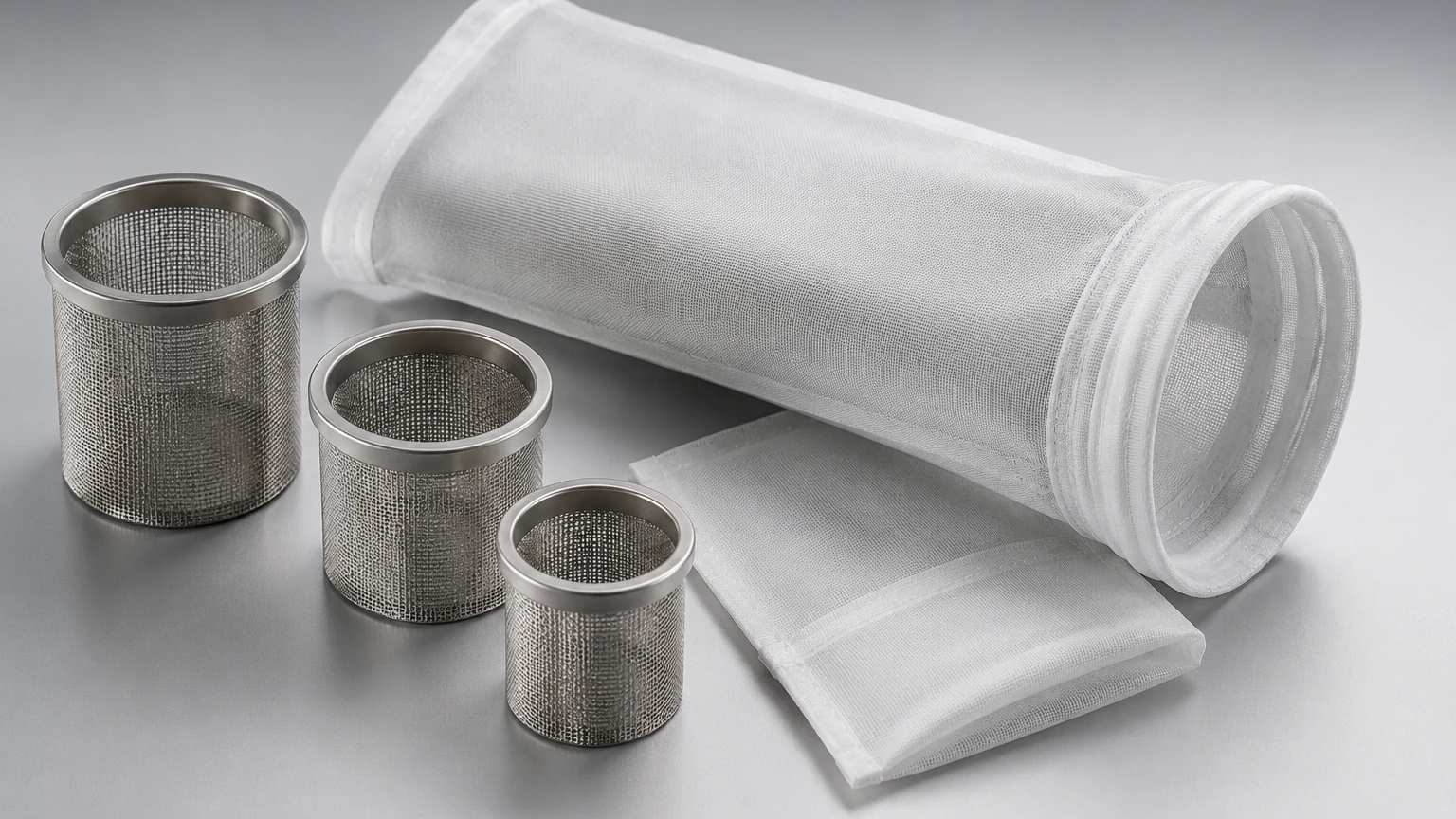
A standard flat filter element is limited by its two-dimensional plane. By folding or sewing media into a "pocket" or "envelope" shape, manufacturers can multiply the surface area by a factor of three to ten times compared to a flat panel. This design allows the filter to capture a higher volume of contaminants before reaching the terminal pressure drop, effectively extending the service life of the component.
Flow Dynamics and Turbulence
In liquid filtration, the internal geometry of the filter pocket must be designed to prevent "blinding" or premature clogging at the entrance. Engineers must ensure that the pockets are spaced appropriately to allow for uniform flow distribution. If pockets are packed too tightly, the fluid may bypass certain areas, leading to uneven cake formation and localized high-pressure zones that can compromise the structural integrity of the filter media.
Material Selection: Stainless Steel vs. Synthetic Media
While many commercial HVAC systems utilize synthetic or fiberglass filter pockets, industrial process filtration often requires the durability and chemical resistance of metal. Kaifil specializes in the production of stainless steel filtration components, which offer distinct advantages in demanding environments.
Stainless Steel Wire Mesh
For applications involving high temperatures, high pressures, or corrosive chemicals, stainless steel wire mesh is the material of choice. Unlike synthetic pockets that may stretch, tear, or degrade under thermal stress, stainless steel maintains its pore geometry and structural rigidity.
* 304 Stainless Steel: Suitable for general industrial applications where basic corrosion resistance is required.
* 316L Stainless Steel: Preferred for pharmaceutical and food-grade applications due to its superior resistance to pitting and chloride-induced corrosion.
Comparison of Media Types
Synthetic pockets are often disposable, making them suitable for low-cost air filtration. However, in B2B industrial contexts, the total cost of ownership (TCO) often favors cleanable stainless steel pockets. Metal mesh can be ultrasonically cleaned or backwashed, allowing for multiple reuse cycles, which reduces the long-term waste and procurement costs associated with frequent replacements.
Key Performance Metrics for Engineers
When specifying a filter pocket for a new or existing system, technical professionals must evaluate several performance metrics to ensure compatibility and efficiency. For more detailed technical specifications and product ranges, engineers can visit the Main Page to review available configurations.
Micron Rating and Efficiency
The micron rating defines the size of particles the filter pocket is designed to capture. It is important to distinguish between nominal and absolute ratings. A nominal rating indicates the ability to capture a percentage of particles of a given size, while an absolute rating (common in precision stainless steel mesh) indicates that 99.9% of particles above the specified size will be retained.
Dust Holding Capacity (DHC)
DHC refers to the total weight of contaminants a filter pocket can hold before the pressure drop reaches a critical level. Because the pocket design increases surface area, it inherently offers a higher DHC than pleated or flat-panel filters of the same size. This is particularly beneficial in processes with high solid concentrations.
Temperature and Chemical Compatibility
Engineers must confirm that the pocket material, including any frames or gaskets, can withstand the process temperature. Stainless steel pockets can typically operate at temperatures exceeding 500°C (depending on the alloy and assembly method), whereas synthetic pockets are usually limited to under 100°C.
Applications in Demanding Industries
The versatility of the filter pocket makes it a staple in various industrial sectors. Its ability to provide fine filtration at high volumes is critical for maintaining product purity and protecting downstream equipment.
Chemical and Petrochemical Processing
In chemical manufacturing, filtration elements are often exposed to aggressive solvents and varying pH levels. Stainless steel filter pockets provide the necessary chemical inertness to prevent media migration and ensure that the filtered product remains uncontaminated by the filter material itself.
Food and Beverage Production
Sanitation is the primary concern in food and beverage applications. Stainless steel pockets are favored because they can withstand Clean-in-Place (CIP) procedures and high-pressure steam sterilization. The smooth surface of the wire mesh prevents the buildup of organic matter, reducing the risk of bacterial growth.
Hydraulic and Lubrication Systems
In heavy machinery, filter pockets are used to remove fine metal shavings and carbon deposits from hydraulic fluids. The high structural strength of metal pockets ensures they do not collapse under the high-pressure surges common in hydraulic circuits.
Customization and OEM Considerations
One of the most significant advantages of working with a specialized manufacturer like Kaifil is the ability to customize the filter pocket to fit specific machinery or unique process requirements. Off-the-shelf solutions often fail to meet the precise tolerances required for high-efficiency industrial systems.
Tailored Dimensions and Fitting
Customization allows for the adjustment of pocket depth, width, and the number of pockets in a single header. This ensures a perfect seal within the filter housing, preventing bypass—a common failure point in poorly fitted filtration systems.
Specialized Mesh Weaves
Depending on the application, different weave patterns (such as plain, twill, or dutch weave) can be employed to achieve specific filtration characteristics. For instance, a dutch weave might be used for fine liquid filtration where high mechanical strength is required, while a plain weave is suitable for high-flow gas filtration.
Maintenance and Replacement Cycles
While stainless steel filter pockets are designed for durability, they are not infinite. Establishing a rigorous maintenance schedule is vital for preventing system failure.
1. Pressure Monitoring: The most reliable way to determine when a filter pocket needs cleaning or replacement is by monitoring the differential pressure (ΔP). Once the ΔP reaches the manufacturer’s recommended limit, the pocket should be serviced.
2. Cleaning Protocols: For metal pockets, cleaning methods may include backflushing, chemical baths, or ultrasonic cleaning. It is essential to verify that the cleaning agent is compatible with the stainless steel grade to avoid corrosion.
3. Visual Inspection: During cleaning, pockets should be inspected for signs of mechanical wear, such as fraying at the seams or deformation of the mesh. Any compromise in the mesh structure will lead to particle bypass.
Conclusion: Selecting the Right Filter Pocket
Selecting the appropriate filter pocket involves a comprehensive analysis of the process fluid, the nature of the contaminants, and the operational environment. By opting for high-quality stainless steel constructions, industrial operators can achieve a balance of precision, durability, and cost-effectiveness.
For engineers looking to optimize their filtration processes, the focus should remain on maximizing surface area while ensuring material compatibility. Whether for chemical processing, water treatment, or pharmaceutical production, the right filter pocket design serves as a critical line of defense for both product quality and equipment longevity. For further technical assistance and to explore custom filtration solutions, professional purchasing teams are encouraged to consult the resources available on the Kaifil Main Page.
