


Chamber Filter Press
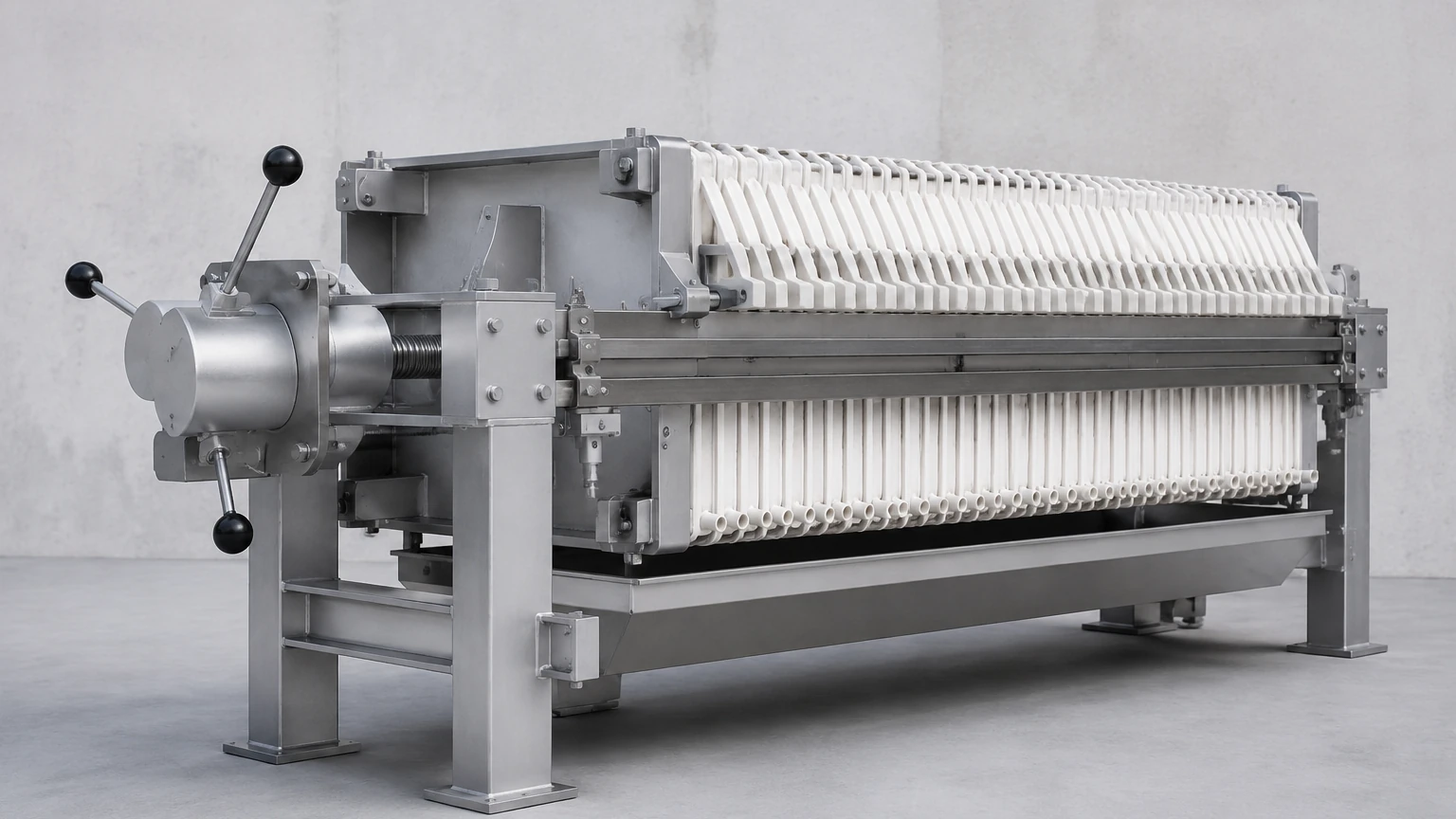
In the landscape of industrial solid-liquid separation, the chamber filter press remains a cornerstone technology for high-efficiency dewatering and solids recovery. Engineering teams across chemical processing, wastewater treatment, and mining sectors rely on this equipment to handle high-solids-content slurries where high pressure and maximum cake dryness are required. Unlike continuous filtration methods, the chamber filter press operates on a batch basis, utilizing a series of recessed plates to form chambers where solids are captured while the filtrate is forced through a medium.
Selecting the appropriate filtration system requires a deep understanding of the mechanical forces at play, the chemical nature of the slurry, and the specific requirements of the filtration media. As a manufacturer specializing in precision metal filtration components, Kaifil provides the technical expertise necessary to optimize these systems, ensuring that the filtration interface—whether it involves specialized wire mesh or custom-engineered cartridges—meets the rigorous demands of industrial environments. For more information on specialized filtration components, you can visit the Main Page.
The Working Principle of a Chamber Filter Press
The operation of a chamber filter press is defined by its cyclical nature. The process is divided into several distinct phases, each critical to achieving the desired filtration efficiency and cake moisture levels.
1. Closing Phase
Before the slurry is introduced, the filter plates must be compressed to create a leak-proof seal. A hydraulic system, which can be manual, semi-automatic, or fully automatic, exerts high pressure on the plate stack. This pressure must exceed the internal pressure generated during the feeding phase to prevent slurry leakage between the plates.
2. Filling and Filtration Phase
The slurry is pumped into the internal chambers through a central or corner feed port. As the chambers fill, the liquid (filtrate) passes through the filter medium—often a combination of filter cloths and, in specialized high-temperature or corrosive applications, stainless steel wire mesh. The solids are retained within the chamber, gradually building a "filter cake."
3. Cake Consolidation
As the cake thickness increases, the flow resistance also increases. The pump continues to supply slurry at a constant pressure (often up to 7 bar or higher, depending on the design) to compact the solids. This stage is vital for achieving low moisture content in the final discharge.
4. Cake Washing and Air Blowing (Optional)
In many chemical and pharmaceutical applications, the captured solids must be washed to remove impurities or recover valuable dissolved substances. After washing, compressed air may be blown through the cake to further reduce moisture before the press is opened.
5. Discharge Phase
The hydraulic ram retracts, and the plates are separated either manually or via an automatic plate shifter. The solid cakes fall into a collection hopper or onto a conveyor belt. Once the plates are cleaned, the cycle repeats.
Engineering Considerations for Filter Plate Design
The heart of the chamber filter press is the plate stack. The design of these plates determines the total filtration area and the volume of solids that can be processed per cycle. There are two primary types of plate configurations used in industrial pressing:
* Recessed Chamber Plates: These plates feature a concave interior on both sides. When two plates are pressed together, they form a hollow chamber. This design is robust and allows for high-pressure operation without the risk of plate deformation.
* Plate and Frame: An older design where a hollow frame is sandwiched between two flat plates. While it offers flexibility in media thickness, it is generally less efficient and more labor-intensive to clean than the recessed chamber design.
For engineers, the choice of material for these plates is critical. While polypropylene is common for general wastewater and mild chemical applications, demanding industrial processes may require plates made from cast iron, stainless steel, or specialized alloys to withstand extreme temperatures or aggressive solvents.
The Role of High-Performance Filtration Media
While the machine provides the mechanical structure, the filtration medium determines the quality of the separation. In many standard applications, synthetic cloths (polyester, polypropylene, or nylon) are used. However, in B2B industrial sectors where durability and precision are paramount, stainless steel filtration components offer significant advantages.
Stainless Steel Wire Mesh in Filter Presses
In applications involving high temperatures, high-viscosity fluids, or corrosive chemicals, synthetic cloths may fail prematurely due to thermal degradation or chemical attack. Stainless steel wire mesh, often integrated into custom filter elements, provides:
* Thermal Stability: Maintains structural integrity at temperatures far exceeding the limits of polymers.
* Mechanical Strength: Resists tearing and abrasion from sharp or abrasive particles in the slurry.
* Precise Micron Ratings: Woven wire mesh allows for highly accurate pore size control, ensuring consistent filtrate quality.
* Ease of Cleaning: Metal media can often be backwashed or ultrasonically cleaned more effectively than fabric, extending the service life of the filtration interface.
Kaifil specializes in the production of these high-performance metal components, working with engineers to develop customized solutions that integrate seamlessly into existing chamber filter press architectures.
Performance Evaluation and Selection Criteria
When specifying a chamber filter press for a new project, procurement and engineering teams must evaluate several technical parameters to ensure the system is not under-sized or over-engineered.
Filtration Area and Chamber Volume
The required filtration area ($A$) is calculated based on the slurry volume ($V$), the solids concentration ($C$), and the desired cycle time ($t$).
$$A = \frac{V \times C}{\text{Cake Thickness} \times \text{Density}}$$
If the filtration area is too small, the cycle times will be excessively long, leading to bottlenecks in production. Conversely, an oversized press increases the initial capital expenditure and consumes more floor space.
Slurry Characteristics
The particle size distribution (PSD) and the compressibility of the solids significantly impact the choice of the chamber filter press. Highly compressible solids may require a "membrane" or "diaphragm" filter press, which uses a flexible membrane to physically squeeze the cake after the filtration phase. For non-compressible, granular solids, a standard chamber filter press is usually sufficient.
Chemical and Thermal Compatibility
It is essential to confirm that all wetted parts—including the plates, manifolds, and filter media—are compatible with the process fluid. In the pharmaceutical and food industries, 316L stainless steel is often the standard due to its corrosion resistance and ease of sterilization.
Common Risks and Maintenance Protocols
Despite their robust construction, chamber filter presses are subject to wear and operational risks that can impact total cost of ownership (TCO). Identifying these risks early is key to maintaining high uptime.
1. Plate Misalignment: If plates are not perfectly aligned during the closing phase, the sealing surfaces can be damaged, leading to "wicking" or high-pressure leaks. Regular inspection of the shifting mechanism and hydraulic guides is required.
2. Blinding of the Filter Media: Over time, fine particles can become trapped within the pores of the filter cloth or mesh. This "blinding" increases pressure drop and reduces throughput. Implementing a rigorous cleaning cycle—often involving high-pressure water washing or chemical cleaning—is necessary.
3. Hydraulic Failure: The closing system is under immense stress. Seals, hoses, and pump components must be monitored for signs of wear to prevent catastrophic pressure loss during a cycle.
4. Cake Release Issues: If the cake does not release cleanly from the plates, it can cause uneven pressure distribution in the subsequent cycle, potentially cracking the plates. Selecting a filter medium with the correct surface release properties is essential.
Total Cost of Ownership (TCO) Analysis
For B2B buyers, the purchase price of a chamber filter press is only one component of the TCO. Engineers must also account for:
* Consumables: The replacement frequency of filter cloths or wire mesh elements. High-quality stainless steel components from manufacturers like Kaifil often have a higher upfront cost but offer a significantly longer lifespan, reducing the frequency of maintenance shutdowns.
* Energy Consumption: The power required for the high-pressure feed pumps and the hydraulic system.
* Labor Costs: The time required for cake discharge and manual cleaning. Automated plate shifters and cloth washing systems can reduce labor costs but increase mechanical complexity.
* Disposal Costs: Drier cakes (higher solids percentage) result in lower weight and volume for transport and disposal, which can lead to massive savings in waste management over the life of the equipment.
Conclusion
The chamber filter press remains an indispensable tool for industrial dewatering, offering a level of cake dryness and filtrate clarity that few other technologies can match. However, the efficiency of the system is heavily dependent on the synergy between the mechanical press and the filtration media. By selecting precision-engineered components, such as those provided by Kaifil, industrial operators can optimize their filtration cycles, reduce downtime, and achieve a lower total cost of ownership.
Before proceeding with a purchase or system upgrade, technical teams should confirm the specific chemical compatibility of their slurry with both the plate material and the filtration mesh, and conduct pilot testing to determine the optimal cake thickness for their specific application. For expert guidance on custom filtration solutions and high-performance metal mesh, Review product options and application support to ensure your filtration system meets the highest standards of industrial performance.
