


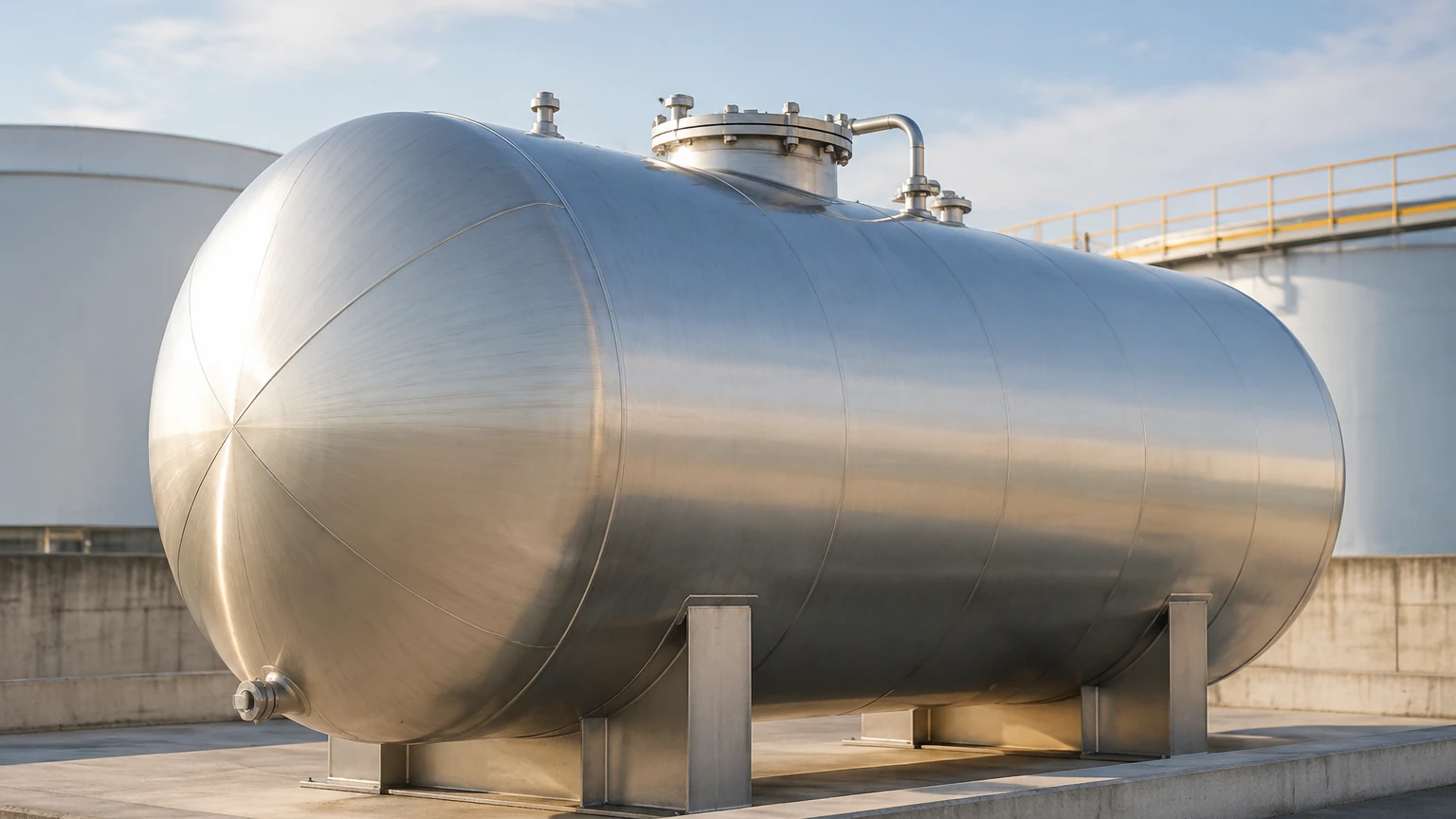
Chemical Storage Tank
In industrial processing, a chemical storage tank is far more than a passive vessel for holding fluids. It is a critical component of a complex infrastructure that must maintain product integrity, ensure operational safety, and resist the corrosive nature of the substances it contains. For engineers and facility managers, selecting the right storage solution involves a deep understanding of material science, fluid dynamics, and filtration technology. Whether storing raw reagents, intermediate process fluids, or finished chemical products, the integration of high-quality filtration and venting systems is essential to prevent contamination and structural failure.
As a specialized manufacturer of stainless steel filtration solutions, Kaifil provides the technical components necessary to protect these assets. From wire mesh vent filters to high-precision inlet cartridges, understanding the intersection of tank design and filtration performance is key to long-term reliability in demanding industrial environments.
Engineering Considerations for Chemical Storage Tank Design
The design of a chemical storage tank begins with a comprehensive analysis of the chemical and physical properties of the stored medium. Engineers must account for several variables, including concentration, temperature, vapor pressure, and the potential for exothermic reactions.
Material Selection and Metallurgy
Stainless steel remains the gold standard for many chemical storage applications due to its inherent corrosion resistance and mechanical strength.
- Grade 304 Stainless Steel: Suitable for milder chemicals, organic solvents, and many food-grade applications. It offers good corrosion resistance but may be susceptible to chloride-induced pitting.
- Grade 316/316L Stainless Steel: The addition of molybdenum provides superior resistance to acids and chlorides. The "L" designation (low carbon) is crucial for welded structures, as it prevents carbide precipitation during the welding process, maintaining the integrity of the tank's joints and seams.
- Specialty Alloys: For highly aggressive media, such as concentrated sulfuric acid or hot alkaline solutions, engineers may specify duplex stainless steels or high-nickel alloys.
Structural Integrity and Pressure Ratings
Storage tanks are categorized as either atmospheric or pressurized. Atmospheric tanks must be designed with robust venting systems to prevent the formation of a vacuum during discharge or overpressure during filling. Pressurized vessels, often governed by ASME Section VIII standards, require precise engineering of wall thicknesses and reinforced openings to handle internal stresses. In both cases, the filtration components integrated into the tank must match these pressure ratings to ensure they do not become a point of failure.
The Role of Filtration in Chemical Storage Systems
Filtration is a primary defense mechanism within a chemical storage tank system. It serves three main functions: protecting the purity of the stored chemical, protecting downstream equipment, and ensuring the safety of the surrounding environment.
Inlet Filtration
When chemicals are transferred from a transport tanker to a storage tank, there is a high risk of introducing external contaminants such as scale, dust, or moisture. Installing a stainless steel wire mesh filter at the inlet prevents these particulates from settling at the bottom of the tank, where they could catalyze degradation or clog discharge pumps. These filters are typically designed for high flow rates with minimal pressure drop to ensure efficient transfer operations.
Outlet and Pump Protection
As chemicals leave the tank for the production line, secondary filtration is often required. This ensures that any accumulated sediment or precipitates formed during storage are removed. Using precision metal filter components at the outlet protects sensitive downstream equipment like dosing pumps, spray nozzles, and heat exchangers from abrasive wear and blockages.
Tank Venting and Breathability
One of the most critical yet often overlooked aspects of a chemical storage tank is the venting system. As a tank is emptied, air must enter to displace the liquid; as it is filled, air or vapor must be expelled.
Preventing Vacuum Collapse
If a vent is blocked or undersized, the negative pressure created during liquid discharge can cause even a heavy-gauge steel tank to implode. Conversely, restricted venting during filling can lead to overpressurization. High-performance wire mesh filters are used in vent breathers to allow for high-volume airflow while acting as a barrier against environmental contaminants.
Contamination Control
Atmospheric air contains moisture, dust, and microbial spores. For chemicals that are hygroscopic (moisture-absorbing) or sensitive to oxygen, the vent must be equipped with specialized filtration. Stainless steel mesh filters can be engineered to specific micron ratings to exclude fine particulates, while also serving as a support structure for desiccant media or hydrophobic membranes that prevent moisture ingress.
Material Compatibility and Corrosion Resistance
In the context of industrial filtration for a chemical storage tank, material compatibility extends beyond the tank shell to every internal component, including the filter media, support cores, and end caps.
Chemical Resistance Mapping
Selecting a filter requires matching the metal alloy to the specific pH and oxidative potential of the chemical. For example, while 316L stainless steel is highly resistant to many organic acids, it may struggle with high concentrations of hydrochloric acid. In such cases, the filter components may require specialized coatings or the use of more exotic materials like Hastelloy.
Surface Finish and Passivation
For pharmaceutical and high-purity chemical storage, the surface finish of the filtration components is vital. Electropolishing or mechanical polishing reduces surface roughness (Ra), minimizing the areas where chemicals can pool or bacteria can grow. Furthermore, a proper passivation process—treating the stainless steel with a mild oxidant—enhances the protective chromium oxide layer, ensuring the filter does not introduce metallic ions into the stored chemical.
Maintenance and Replacement Cycles for Industrial Filters
To maintain the integrity of a chemical storage tank, a proactive maintenance schedule for filtration components is necessary. Unlike disposable polymer filters, stainless steel filters offer the advantage of being cleanable and reusable, but they are not indefinite.
Monitoring Differential Pressure
The most effective way to determine when a filter requires cleaning or replacement is by monitoring the differential pressure (ΔP) across the filter element. An increase in ΔP indicates that the mesh is becoming loaded with contaminants. For vent filters, visual inspections are critical to ensure that crystallized chemical vapors or environmental debris have not obstructed the airflow.
Cleaning Protocols
Stainless steel filter cartridges can be cleaned using ultrasonic baths, backflushing, or chemical solvents, depending on the nature of the contaminant. However, repeated cleaning cycles can eventually lead to mechanical fatigue or changes in the micron rating. Engineers should establish a maximum number of cleaning cycles before a component is retired to ensure filtration accuracy remains within the required specifications.
Customization Options for Chemical Process Filtration
Every chemical storage tank installation has unique requirements based on space constraints, flow rates, and the specific nature of the fluid. Standard off-the-shelf filtration solutions often fall short of these specialized needs.
Kaifil specializes in providing customized filtration solutions that integrate seamlessly into existing tank architectures. This includes:
- Custom Micron Ratings: Tailoring the wire mesh weave to capture specific particle sizes while maintaining optimal flow.
- Bespoke Fittings: Engineering filter housings with NPT, flange, or tri-clamp connections that match the tank's existing ports.
- Reinforced Structures: For high-viscosity chemicals or high-pressure systems, filters can be manufactured with internal support cores and outer shrouds to prevent media deformation.
By working closely with an experienced manufacturer, purchasing teams can ensure that their filtration components are optimized for the total cost of ownership, balancing initial investment with long-term durability and ease of maintenance.
Conclusion
The reliability of a chemical storage tank depends on a holistic approach to engineering that prioritizes material compatibility, structural safety, and rigorous contamination control. By implementing high-quality stainless steel filtration and venting solutions, industrial operators can protect their chemical assets, extend the life of their equipment, and ensure a safe working environment.
When selecting components for your next project, it is essential to partner with a manufacturer that understands the technical nuances of industrial filtration. For more information on how to optimize your system, Review product options and application support on our Main Page. Choosing the right filtration partner ensures that your storage infrastructure remains a robust and efficient part of your production process.
