


Chemical Tank Storage
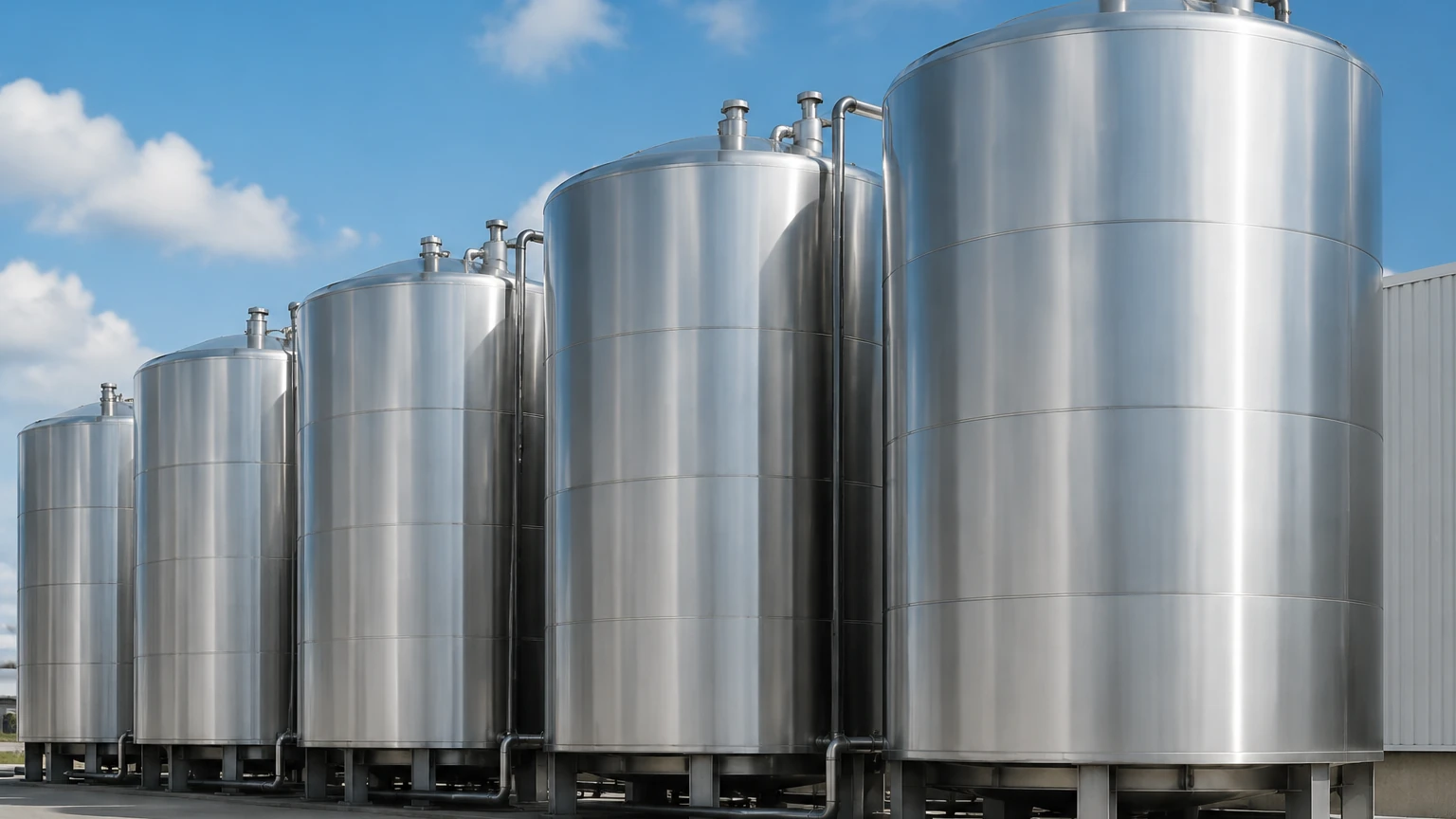
In industrial processing, chemical tank storage represents a critical node in the supply chain, requiring rigorous engineering standards to ensure safety, product purity, and environmental protection. Whether storing raw feedstocks, intermediate process chemicals, or finished products, the integrity of the storage system is paramount. For engineers and facility managers, the challenge lies in balancing the corrosive nature of the stored media with the need for long-term structural reliability and contamination control.
Effective chemical tank storage is not merely about the vessel itself; it involves a complex ecosystem of venting systems, filtration components, and monitoring instruments. These elements work in tandem to prevent the ingress of atmospheric contaminants, manage internal pressure fluctuations, and protect the surrounding environment from hazardous vapors. As industries move toward higher purity standards and stricter regulatory compliance, the role of precision-engineered filtration within these storage systems has become increasingly vital.
Engineering Fundamentals of Chemical Tank Storage
The design and implementation of chemical tank storage systems begin with a comprehensive analysis of the chemical properties of the stored substance. Factors such as pH levels, concentration, temperature, and vapor pressure dictate the selection of materials and the configuration of the tank's auxiliary components.
Stainless steel, particularly grades 304 and 316L, remains the industry standard for high-performance chemical storage due to its exceptional corrosion resistance and mechanical strength. In applications involving aggressive solvents or high-purity chemicals, the surface finish of the internal components—often achieved through electropolishing—is critical to prevent localized corrosion and minimize the risk of particulate shedding. Engineering teams must also account for the physical dynamics of the tank, including the "breathing" process that occurs during filling and emptying cycles, which necessitates robust venting and filtration solutions to maintain atmospheric equilibrium without compromising the internal environment.
Managing Contamination in Chemical Tank Storage
Contamination is a primary risk factor in chemical tank storage that can lead to degraded product quality, equipment failure, and safety hazards. Contaminants typically enter the storage system through three main pathways: atmospheric ingress, moisture absorption, and internal degradation.
1. Atmospheric Particulates: During the emptying of a tank, air is drawn in to replace the liquid volume. Without proper filtration, dust, pollen, and industrial debris can enter the tank, contaminating the stored chemical.
2. Moisture Ingress: Many industrial chemicals are hygroscopic, meaning they readily absorb moisture from the air. This can lead to chemical reactions, reduced potency, or the formation of corrosive byproducts within the tank.
3. Microbial Growth: In certain chemical environments, particularly those involving organic compounds or diluted solutions, the presence of moisture and air can facilitate microbial proliferation, which clogs downstream filters and compromises product sterility.
To mitigate these risks, engineers often turn to specialized filtration components. For those seeking detailed specifications on high-performance filtration for industrial applications, visiting the Main Page of a dedicated manufacturer like Kaifil provides a technical overview of available solutions.
Specialized Filtration for Tank Venting and Breathing
The vent is the most vulnerable point of a chemical tank storage system. It must allow for the free flow of air to prevent vacuum collapse or over-pressurization while acting as a barrier against external contaminants. This is where precision-engineered vent filters and breather assemblies are utilized.
Stainless steel wire mesh filters and sintered metal cartridges are preferred for these applications due to their durability and ability to withstand exposure to aggressive chemical vapors. Unlike plastic or fabric filters, stainless steel components do not degrade when exposed to volatile organic compounds (VOCs) or extreme temperatures. These filters are often designed with specific micron ratings to capture fine particulates while maintaining low pressure drops, ensuring that the tank can "breathe" efficiently during high-flow loading or unloading operations.
Engineering Selection Criteria for Stainless Steel Filters
Selecting the correct filtration component for chemical tank storage requires a deep understanding of the application's technical requirements. Engineers should evaluate the following criteria before finalizing a procurement decision:
* Chemical Compatibility: The filter material must be inert to the stored chemical. While 316L stainless steel is widely compatible, certain highly acidic or halogenated environments may require specialized alloys.
* Filtration Accuracy (Micron Rating): The required purity level of the stored chemical determines the micron rating. For general industrial chemicals, 10 to 50 microns may suffice, while pharmaceutical or electronic-grade chemicals may require sub-micron filtration.
* Flow Rate and Pressure Drop: The filter must be sized to handle the maximum air displacement rate of the tank. An undersized vent filter can lead to structural damage if the pressure differential becomes too great.
* Operating Environment: Considerations such as ambient humidity, temperature fluctuations, and exposure to salt air (in coastal facilities) influence the choice of filter housing and protective coatings.
By focusing on these engineering parameters, purchasing teams can ensure that the filtration components integrated into their chemical tank storage systems provide reliable, long-term service.
Maintenance Protocols and Filter Service Life
The longevity of a chemical tank storage system is directly linked to its maintenance regime. Filtration components, while durable, are not indefinite and require periodic inspection and cleaning to maintain performance. In many industrial settings, stainless steel filters offer a significant advantage over disposable alternatives because they can be cleaned and reused.
Cleaning methods typically involve ultrasonic baths, backwashing, or chemical cleaning, depending on the nature of the accumulated contaminants. Engineers should establish a replacement or cleaning cycle based on pressure differential monitoring. If the pressure drop across a vent filter exceeds a predetermined threshold, it indicates that the mesh or cartridge is becoming blinded, which could jeopardize the safety of the storage tank. Regular maintenance not only protects the stored product but also extends the life of the entire storage infrastructure, reducing the total cost of ownership.
Custom OEM Solutions for Complex Storage Requirements
Standard off-the-shelf filtration products may not always meet the unique demands of specialized chemical tank storage. In many cases, custom-engineered solutions are required to fit specific tank geometries, handle unique chemical mixtures, or meet stringent industry-specific regulations.
Customization options often include:
* Bespoke Fitting and Connection Types: Ensuring seamless integration with existing tank nozzles and piping (e.g., NPT, flange, or tri-clamp connections).
* Multi-Stage Filtration: Combining coarse mesh for large particulate removal with fine sintered layers for high-precision capture within a single cartridge.
* Reinforced Structures: Designing filters to withstand high-pressure pulsations or mechanical vibrations common in large-scale industrial parks.
Working with a manufacturer that offers OEM capabilities allows engineering teams to develop filtration components that are perfectly aligned with their specific operational parameters, ensuring that the chemical tank storage system operates at peak efficiency.
Safety and Compliance in Chemical Storage
Safety is the ultimate priority in chemical tank storage. Regulatory bodies such as OSHA and the EPA, along with international standards like ISO and ASME, provide frameworks for the safe handling and storage of hazardous materials. Filtration plays a vital role in compliance by preventing the release of harmful vapors and ensuring that the storage environment remains stable.
Secondary containment, leak detection, and overfill protection are standard safety features, but the integrity of the filtration and venting system is what prevents the "invisible" risks of contamination and pressure-related failure. By investing in high-quality stainless steel filtration components, facilities can demonstrate a commitment to safety and environmental stewardship, reducing the risk of costly incidents and regulatory fines.
Conclusion
Chemical tank storage is a sophisticated discipline that requires a meticulous approach to material selection, contamination control, and system design. As the backbone of many industrial processes, these storage systems must be equipped with components that can withstand the rigors of chemical exposure while maintaining the highest levels of performance. Precision-engineered stainless steel filters and venting solutions are essential for protecting product integrity and ensuring operational safety. For engineers and technical professionals tasked with optimizing these systems, understanding the nuances of filtration technology is the key to achieving efficient, durable, and cost-effective chemical storage solutions.
