


Compressed Air Filter Manufacturers
In industrial environments, compressed air is often referred to as the "fourth utility." It powers pneumatic tools, facilitates chemical processes, and ensures the operation of automated production lines. However, atmospheric air contains contaminants such as water vapor, oil aerosols, and particulate matter that become concentrated during the compression process. To protect downstream equipment and ensure product quality, engineers must partner with reliable compressed air filter manufacturers capable of providing high-performance filtration components. Selecting a manufacturer involves evaluating technical expertise, material quality, and the ability to meet specific industrial standards.
The Critical Role of Filtration in Compressed Air Systems
Compressed air systems are susceptible to three primary types of contamination: solid particles, liquid water/oil, and gaseous vapors. If left untreated, these contaminants lead to pipe corrosion, valve failure, and spoiled end products, particularly in the food, beverage, and pharmaceutical sectors.
Compressed air filter manufacturers design components to address these specific challenges. For instance, particulate filters remove dust and pipe scale, while coalescing filters are engineered to merge small oil droplets into larger ones that can be drained away. Adsorption filters, often utilizing activated carbon, are used to remove odors and vapors. The engineering behind these filters requires a deep understanding of fluid dynamics and material science to ensure that the filtration process does not cause an excessive pressure drop, which would increase energy costs for the entire facility.
Key Technical Evaluation Criteria for Manufacturers
When vetting compressed air filter manufacturers, procurement teams and engineers should look beyond the initial purchase price. The following technical criteria are essential for ensuring long-term system reliability:
Material Integrity and Durability
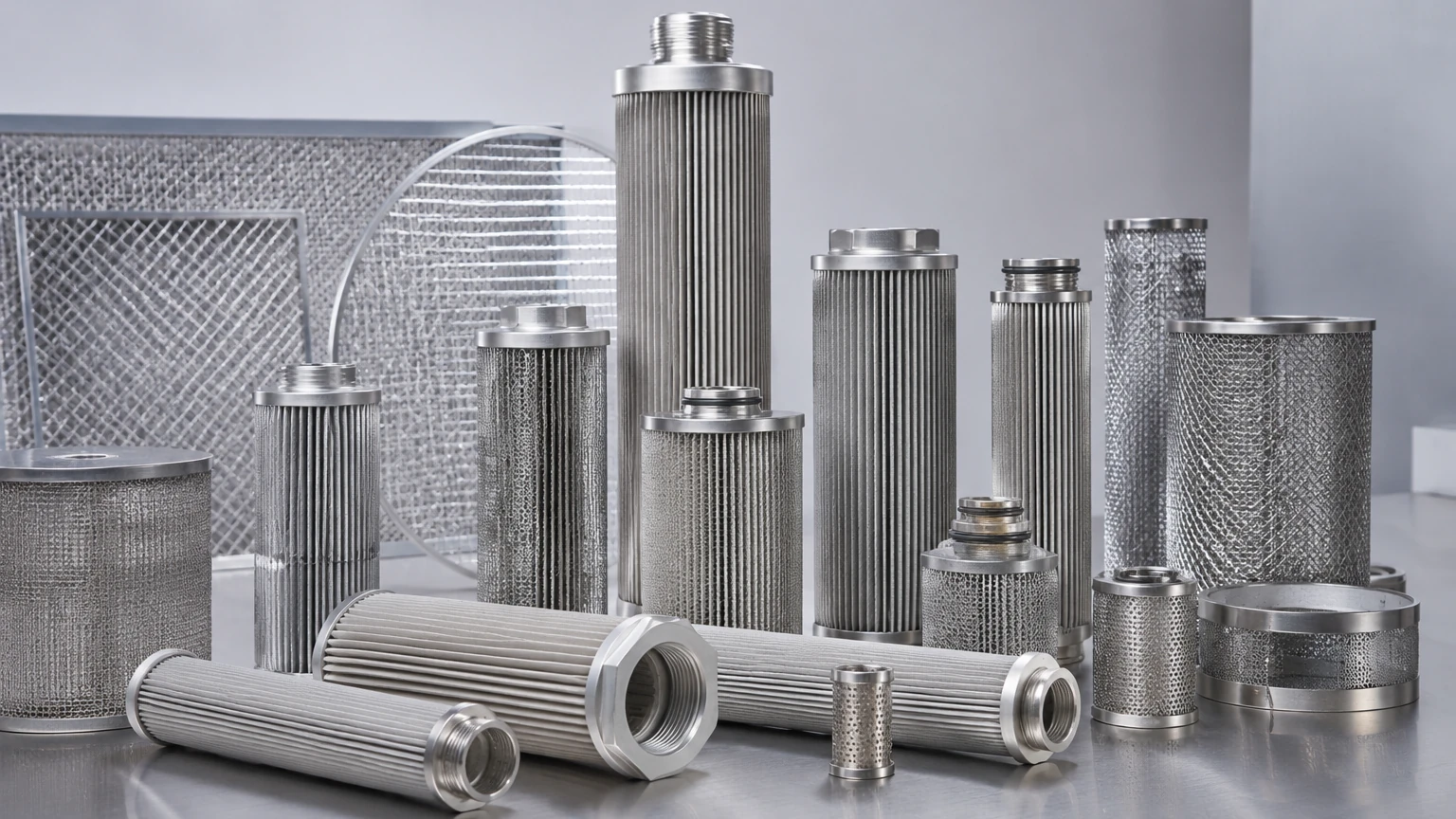
In demanding industrial applications, the housing and the filter element must withstand high pressures and potential chemical exposure. While plastic or aluminum components may suffice for light-duty applications, stainless steel is the preferred material for heavy-duty industrial filtration. Manufacturers specializing in stainless steel filtration solutions offer products that resist corrosion and maintain structural integrity under extreme temperature fluctuations. This is particularly important in chemical processing and offshore environments where the surrounding atmosphere is corrosive.
Filtration Accuracy and Micron Ratings
Different applications require different levels of air purity. Compressed air filter manufacturers must provide clear specifications regarding micron ratings. A manufacturer should be able to offer a range of filtration grades, from coarse pre-filtration (25 to 50 microns) to fine high-efficiency filtration (0.01 microns). Understanding the difference between nominal and absolute micron ratings is vital; absolute ratings ensure that 99.9% of particles of a specific size are captured, providing a higher level of process security.
Pressure Drop (Differential Pressure)
Every filter introduces some resistance to air flow, known as pressure drop. A high initial pressure drop means the air compressor must work harder, leading to increased electricity consumption. Leading manufacturers optimize the surface area of the filter media—often through pleated designs—to maximize dirt-holding capacity while minimizing resistance. Engineers should request data on the "wet" and "dry" pressure drop to understand how the filter will perform as it begins to capture oil and water.
The Advantage of Stainless Steel Filter Elements
Many compressed air filter manufacturers focus on disposable fiber-based elements. However, for many B2B industrial applications, stainless steel wire mesh or sintered metal filters provide significant advantages.
1. Cleanability: Unlike disposable glass fiber elements, stainless steel mesh filters can often be cleaned and reused, depending on the nature of the contaminant. This reduces the total cost of ownership and minimizes waste.
2. High Pressure and Temperature Resistance: In applications where compressed air is used at high temperatures or in high-pressure blow-molding processes, stainless steel elements do not deform or shed fibers into the air stream.
3. Chemical Compatibility: Stainless steel is compatible with a wide range of synthetic lubricants and chemicals that might be present in the air stream, ensuring that the filter element does not degrade over time.
By focusing on these robust materials, manufacturers like Kaifil provide solutions that are tailored for the most demanding hydraulic and pneumatic environments.
Customization and OEM Capabilities
Standard off-the-shelf filters do not always fit the specific spatial or performance requirements of specialized machinery. Therefore, one of the most important traits of top-tier compressed air filter manufacturers is their ability to provide OEM and customized solutions.
Customization may involve designing a filter element with a unique end-cap configuration to fit an existing housing, or developing a multi-stage filtration component that combines particulate and coalescing layers into a single unit. For engineers, the ability to collaborate with a manufacturer on the material selection and filtration geometry is crucial for optimizing the performance of new equipment designs. A manufacturer with in-house engineering and advanced manufacturing capabilities can prototype and produce small batches of custom filters, allowing for rigorous testing before full-scale production.
Understanding ISO 8573-1 Standards
To facilitate clear communication between users and compressed air filter manufacturers, the industry relies on the ISO 8573-1 standard. This standard classifies air quality based on the concentration of particles, water, and oil. For example, a "Class 1.2.1" specification dictates very stringent limits on all three contaminants.
When discussing requirements with a manufacturer, engineers should specify the desired ISO class for their application. A reputable manufacturer will be able to recommend the specific sequence of filters—such as a 5-micron pre-filter followed by a 0.01-micron coalescing filter—needed to achieve that air quality class consistently. This technical alignment ensures that the filtration system is neither under-specified (risking equipment damage) nor over-specified (leading to unnecessary costs).
Total Cost of Ownership (TCO) in Filtration
For purchasing departments, the focus is often on the unit price of the filter element. However, for maintenance engineers, the total cost of ownership is the more relevant metric. TCO includes the initial purchase price, the cost of energy lost due to pressure drop, the labor costs for replacement, and the cost of disposal.
Compressed air filter manufacturers that produce high-quality, durable elements may have a higher initial price point, but their products often offer longer service intervals and lower pressure drops. Over the course of a year, the energy savings from a more efficient filter can far outweigh the difference in the purchase price of the element. Furthermore, using high-quality stainless steel components reduces the risk of catastrophic filter failure, which could lead to expensive production downtime and downstream system contamination.
Common Risks When Selecting a Manufacturer
Choosing the wrong partner among compressed air filter manufacturers can lead to several operational risks:
* Media Migration: Low-quality filters may shed fibers or particles from the filter media itself into the clean air stream, causing the very damage they were intended to prevent.
* Inaccurate Ratings: Some manufacturers may claim high efficiency without third-party validation or rigorous internal testing, leading to inadequate protection for sensitive equipment.
* Poor Seal Integrity: If the filter element does not seal perfectly within the housing, "bypass" occurs, allowing unfiltered air to reach the downstream process.
* Supply Chain Instability: For OEM partners, the inability of a manufacturer to provide consistent quality or meet delivery schedules can halt entire production lines.
To mitigate these risks, engineers should request material certifications and performance test reports during the selection process.
Conclusion: Selecting a Strategic Filtration Partner
Identifying the right compressed air filter manufacturers requires a balance of technical evaluation and a clear understanding of application-specific needs. Whether the goal is to protect a simple pneumatic tool or to ensure the purity of air in a pharmaceutical cleanroom, the quality of the filtration component is paramount. Manufacturers that offer expertise in stainless steel materials, customizable designs, and adherence to international quality standards provide the most value to industrial users.
By focusing on engineering-led solutions and durable materials, organizations can optimize their compressed air systems for efficiency and reliability. For those seeking specialized industrial filtration components and customized engineering support, it is beneficial to Review product options and application support on the Kaifil Main Page to understand how precision-manufactured stainless steel solutions can meet specific industrial requirements.
