


Compressor Air Filter Housing
In industrial air compression systems, the compressor air filter housing serves as the primary protective vessel for both the filtration media and the compressor’s internal components. While the filter element itself performs the mechanical task of capturing particulates, the housing is the structural foundation that ensures airtight integrity, manages flow dynamics, and withstands the mechanical stresses of high-pressure environments. For engineers and procurement specialists, selecting the correct housing is not merely a secondary concern; it is a critical decision that impacts the longevity of the entire compressed air circuit.
Industrial environments—ranging from chemical processing plants to food and beverage facilities—demand filtration solutions that can withstand corrosive atmospheres, extreme temperatures, and fluctuating pressure loads. Understanding the engineering nuances of the compressor air filter housing is essential for optimizing system performance and minimizing the total cost of ownership.
The Engineering Role of the Compressor Air Filter Housing
The primary function of a compressor air filter housing is to provide a secure, sealed environment for the filter element. However, its technical role extends far beyond simple containment. A well-engineered housing manages the transition of air from the intake piping into the filtration media, ensuring that the velocity is distributed evenly across the surface of the filter.
Uneven air distribution within a housing can lead to "blinding" of certain sections of the filter element while others remain unused. This leads to premature pressure drops and frequent maintenance intervals. Furthermore, the housing must be designed to minimize turbulence. Excessive turbulence at the entry point can cause mechanical vibration, which may eventually fatigue the filter media or compromise the seals.
In heavy-duty industrial applications, the housing must also act as a pre-separation chamber. By utilizing centrifugal force or gravity-based design features, many housings are capable of removing larger droplets of moisture or heavy dust particles before they even reach the precision filter element, thereby extending the service life of the internal components.
Material Selection: Stainless Steel vs. Alternative Materials
When evaluating a compressor air filter housing, material selection is the most significant factor determining durability and chemical compatibility. While plastic or aluminum housings may suffice for light-duty commercial applications, industrial-grade systems typically require the robustness of stainless steel.
Stainless Steel (304 and 316L)
Stainless steel is the industry standard for demanding environments. It offers superior resistance to corrosion, which is vital in industries where the intake air may contain acidic vapors or high moisture levels.
- 304 Stainless Steel: Suitable for most general industrial applications, providing excellent structural strength and oxidation resistance.
- 316L Stainless Steel: Recommended for pharmaceutical, food and beverage, and marine environments. The addition of molybdenum provides enhanced resistance to chlorides and pitting, ensuring the housing does not become a source of contamination itself.
Structural Integrity and Pressure Ratings
Unlike plastic housings, which can become brittle over time due to UV exposure or thermal cycling, stainless steel housings maintain their mechanical properties across a wide temperature range. This is particularly important for compressors located in unconditioned outdoor environments or near high-heat process equipment. The housing must be rated for the maximum operating pressure of the system, typically including a safety factor that meets international pressure vessel standards.
Key Technical Specifications for Selection
Engineers must look beyond the physical dimensions of the compressor air filter housing and focus on the technical parameters that dictate its performance in the field. To review specific product options and application support, technical teams often consult the Main Page of specialized manufacturers to align housing specs with their unique system requirements.
1. Flow Rate and CFM Capacity
The housing must be sized to handle the maximum Cubic Feet per Minute (CFM) the compressor can produce without creating an excessive pressure drop. An undersized housing forces air through the media at high velocities, which can bypass the filtration layers or cause the element to collapse.
2. Differential Pressure (Delta P)
A critical metric is the initial pressure drop across the housing when a clean filter is installed. A high initial Delta P indicates an inefficient housing design or an undersized inlet/outlet port. Effective housings are designed with streamlined internal geometries to keep energy loss to a minimum.
3. Connection Types
Industrial housings typically utilize NPT (National Pipe Thread), BSP (British Standard Pipe), or flanged connections. The choice depends on the existing piping infrastructure and the need for ease of maintenance. Flanged connections are often preferred in larger systems (above 3 inches) for their superior sealing and structural stability.
4. Seal Compatibility
The seals between the housing head and the bowl, as well as the internal seals for the filter element, must be compatible with the environment. Common materials include Viton, EPDM, and Nitrile. In oil-free compressor applications, ensuring that the housing seals do not outgas or degrade is paramount for maintaining air purity.
Common Risks of Improper Housing Selection
Selecting an inadequate compressor air filter housing can lead to systemic failures that are often misdiagnosed as filter element issues.
Bypass Leakage
If the housing is manufactured with loose tolerances, air may bypass the filter element entirely. This "path of least resistance" allows unfiltered air to enter the compressor, leading to abrasive wear on the screws, rotors, or valves. Precision machining of the element seating area within the housing is required to prevent this risk.
Corrosion and Contamination
In environments with high humidity, carbon steel or low-grade aluminum housings can corrode internally. This corrosion produces flakes of rust and scale that are carried downstream, potentially clogging precision pneumatic tools or contaminating the final product in food and pharmaceutical lines. Using a high-quality stainless steel housing eliminates this risk of secondary contamination.
Fatigue and Stress Cracking
Compressors often operate with pulsating loads. A housing with thin walls or poor weld quality may develop stress cracks over thousands of cycles. This not only leads to air leaks (which are a significant waste of energy) but also poses a safety hazard if the housing fails catastrophically under pressure.
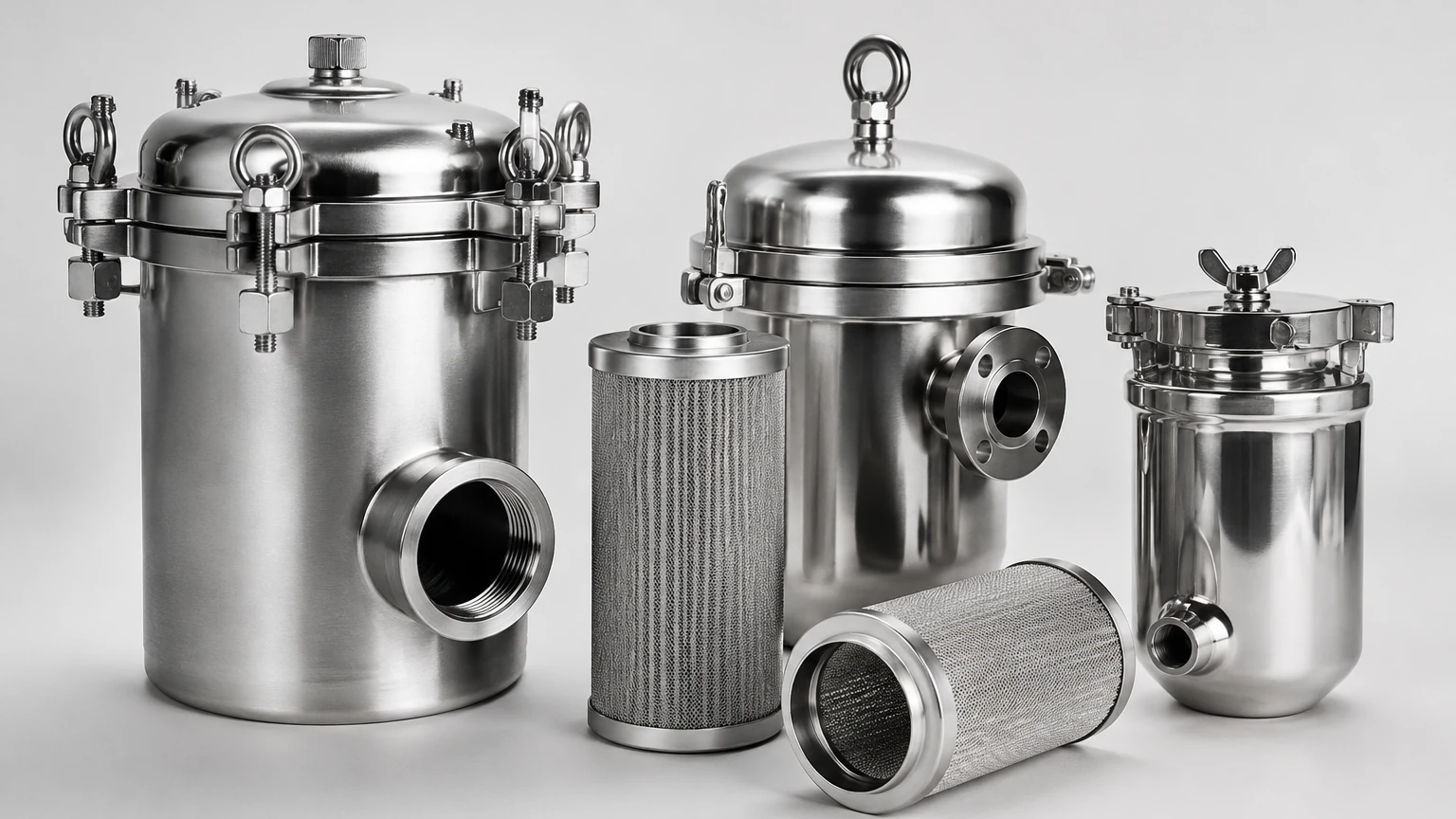
Customization and OEM Solutions
Standard, off-the-shelf compressor air filter housings often fail to meet the specific spatial or performance constraints of specialized industrial equipment. This is where custom engineering becomes essential.
Customization allows for:
- Specific Port Orientations: Adjusting the inlet and outlet positions to fit within a compact skid-mounted system.
- Integrated Monitoring: Adding ports for differential pressure gauges or electronic sensors that alert maintenance teams when the filter element requires replacement.
- Specialized Finishes: Electropolishing the internal surfaces for high-purity applications to reduce the risk of microbial growth or particle entrapment.
- Custom Mounting Brackets: Ensuring the housing can be securely fastened in high-vibration environments, such as on mobile compressor units or near heavy reciprocating machinery.
By working with a manufacturer that specializes in custom stainless steel filtration, engineers can ensure that the housing is a perfect match for the operational demands of the project, rather than a compromise based on available stock.
Maintenance and Operational Best Practices
Even the highest quality compressor air filter housing requires a structured maintenance regimen to ensure long-term reliability.
Regular Inspection of Seals
Every time the filter element is changed, the housing seals should be inspected for signs of compression set, cracking, or swelling. Lubricating O-rings with a compatible lubricant (where permitted) can prevent tearing during assembly and ensure an airtight fit.
Monitoring Differential Pressure
The most effective way to manage a housing is through the use of a differential pressure gauge. By measuring the pressure difference between the inlet and outlet, operators can determine exactly when the internal element is loaded. Replacing elements based on actual pressure data, rather than a fixed calendar schedule, prevents both premature replacement and the energy waste associated with running a clogged filter.
Cleaning the Housing Bowl
Over time, heavy particulates and moisture can accumulate at the bottom of the housing. If the housing is equipped with a manual or automatic drain, it should be tested regularly. During element changes, the interior of the housing should be wiped down with a lint-free cloth to remove any accumulated sediment that could migrate downstream.
Conclusion: Making an Informed Procurement Decision
The compressor air filter housing is a vital component that bridges the gap between raw intake air and the precision machinery of the compressor. For B2B buyers and engineers, the focus should remain on structural durability, material compatibility, and the ability of the housing to support efficient flow dynamics.
Investing in a high-quality, stainless steel housing—potentially customized to the specific needs of the application—is a proactive strategy to reduce downtime and protect expensive downstream equipment. When evaluating suppliers, it is important to confirm their manufacturing capabilities, material certifications, and experience in handling the specific pressures and flow rates of your industry. For more information on professional filtration components and customized stainless steel solutions, visit the Main Page to explore technical specifications and engineering support options. By prioritizing the housing's integrity, you ensure that your filtration system performs reliably in even the most demanding industrial environments.
