


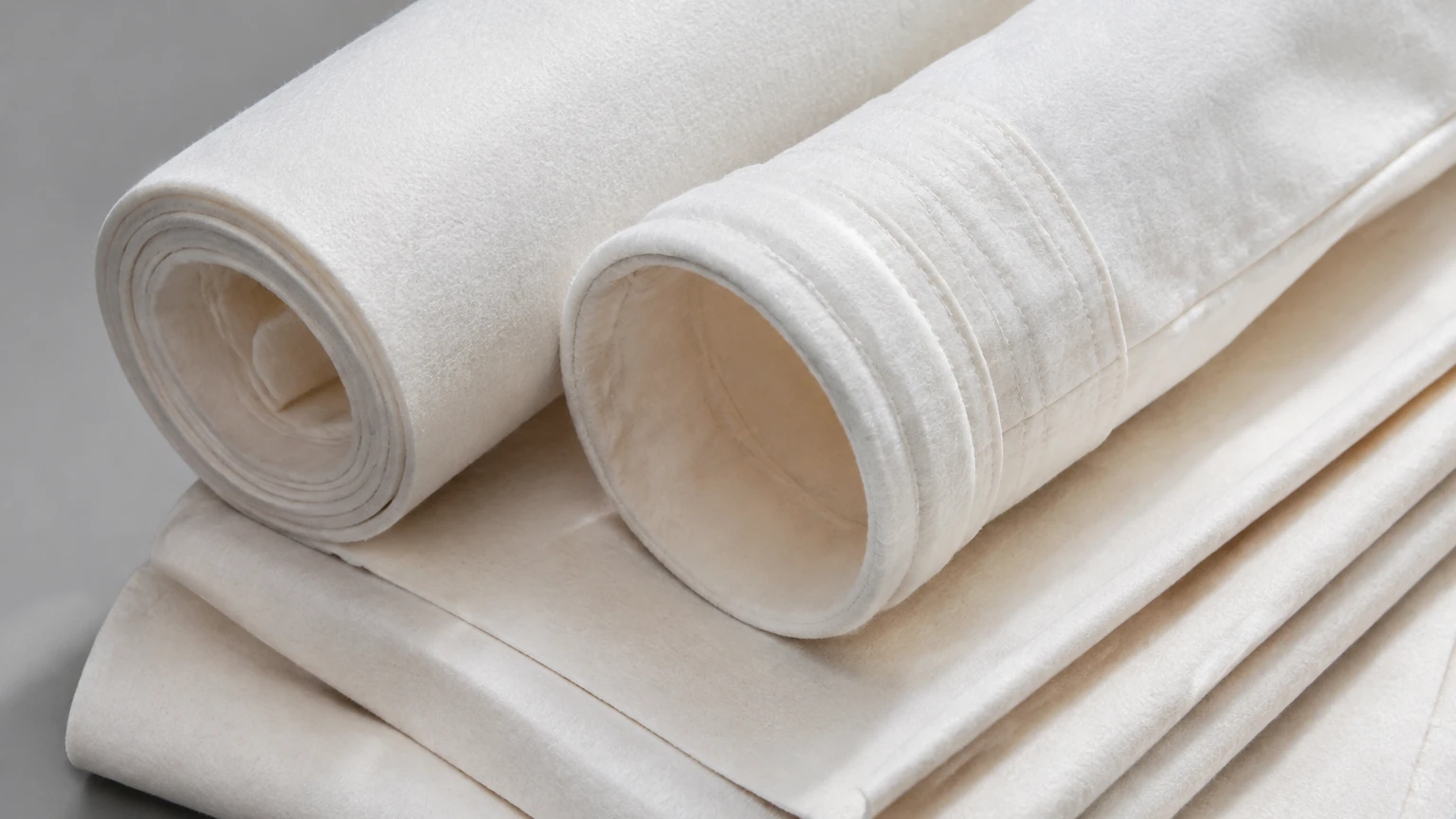
Dust Collector Filter Felt Heatset Recycled Polyester
In the landscape of industrial air pollution control, the selection of filtration media is a critical engineering decision that impacts both operational efficiency and long-term maintenance costs. As industries move toward more sustainable manufacturing practices, the use of dust collector filter felt heatset recycled polyester has emerged as a viable solution for balancing environmental responsibility with high-performance filtration requirements. This material, often referred to as rPET (recycled polyethylene terephthalate) needle-punched felt, provides the mechanical properties necessary for effective particulate capture while supporting corporate sustainability goals.
Understanding the technical nuances of this material—specifically how the heatsetting process and the use of recycled fibers influence filtration performance—is essential for engineers and purchasing teams. While Kaifil specializes in high-precision stainless steel filtration solutions, the integration of various media types within industrial systems requires a comprehensive understanding of how different materials interact under thermal and mechanical stress.
Understanding Recycled Polyester in Industrial Filtration
Polyester has long been the workhorse of the dust collection industry due to its excellent physical strength, abrasion resistance, and cost-effectiveness. The transition to recycled polyester involves sourcing post-consumer or post-industrial PET waste, which is then processed into high-tenacity fibers suitable for needle-punching.
From a technical perspective, recycled polyester fibers must meet stringent quality standards to ensure they perform reliably in a baghouse environment. The molecular structure of rPET is virtually identical to virgin polyester, provided the recycling process maintains high purity. In industrial dust collection, the primary advantage of using recycled polyester is the reduction in the carbon footprint of the filtration system without significantly compromising the tensile strength or the chemical resistance of the filter bags.
However, engineers must evaluate the consistency of the fiber source. High-quality recycled polyester felts are engineered to provide the same air permeability and dust-holding capacity as their virgin counterparts. When evaluating dust collector filter felt heatset recycled polyester, it is important to confirm that the fiber denier and staple length are optimized for the specific needle-punching density required for the application.
The Role of Heatsetting in Filter Felt Performance
Heatsetting is a critical thermal treatment process applied to polyester felts to ensure dimensional stability. In a dust collector, filter bags are subjected to fluctuating temperatures and mechanical tension from pulse-jet cleaning cycles. Without proper heatsetting, polyester fibers tend to shrink or deform when exposed to operating temperatures near their glass transition point.
Dimensional Stability
The heatsetting process involves exposing the felt to controlled temperatures (typically between 150°C and 180°C) under tension. This "sets" the polymer chains in their most stable configuration. For a dust collector filter felt heatset recycled polyester, this ensures that the bag will not shrink significantly during service. Shrinkage is a primary cause of premature bag failure, as it can cause the media to pull away from the cell plate or tighten too much around the support cage, leading to mechanical abrasion and holes.
Pore Size Consistency
Heatsetting also helps maintain the integrity of the pore structure. By stabilizing the fibers, the manufacturer ensures that the interstitial spaces within the needle-punched felt remain consistent. This consistency is vital for maintaining a stable pressure drop across the filter lifetime. If the fibers were to shift or contract, the permeability of the media would change, potentially leading to "blinding"—a condition where dust becomes deeply embedded in the felt and cannot be removed by standard cleaning pulses.
Technical Specifications and Evaluation Criteria
When specifying dust collector filter felt heatset recycled polyester, technical professionals should look beyond the material name and focus on measurable performance metrics. These metrics determine how the filter will behave in a real-world industrial environment.
1. Weight and Density: Most industrial polyester felts range from 450g/m² to 550g/m². The density affects both the filtration efficiency and the mechanical durability of the bag.
2. Air Permeability: Measured in liters per square decimeter per minute (L/dm²/min) or cubic feet per minute (cfm), permeability indicates how easily air passes through the clean media. For recycled polyester, maintaining a permeability similar to virgin media is a hallmark of high-quality fiber processing.
3. Tensile Strength: The felt must withstand the high-pressure pulses of a jet-pulse cleaning system. Engineers should verify the break strength in both the machine direction (MD) and cross direction (CD).
4. Operating Temperature: While polyester is versatile, it is limited to continuous operating temperatures of approximately 130°C (266°F), with surges up to 150°C. Exceeding these limits, even with heatset material, will lead to rapid degradation.
For systems requiring even higher precision or extreme durability in harsh chemical environments, engineers often look toward the Main Page of specialized manufacturers to compare felt media with stainless steel mesh or sintered metal alternatives, which offer superior temperature and chemical resistance.
Applications and Compatibility
Dust collector filter felt heatset recycled polyester is suitable for a wide range of dry dust collection applications. Its versatility makes it a standard choice in several sectors:
* Cement and Construction: Handling abrasive dust from clinker cooling or finish mills.
* Woodworking: Capturing fine sawdust and shavings where high airflow is required.
* Metalworking and Grinding: Effective for non-combustible metal dusts, provided the temperature is managed.
* Chemical Processing: Used in drying and packaging stages where the chemical environment is relatively neutral.
Limitations to Consider:
Despite its strengths, polyester (whether recycled or virgin) is susceptible to hydrolysis. In environments with high moisture and high temperatures, the polyester fibers can break down chemically, leading to a complete loss of strength. In such cases, or where the dust is highly corrosive, switching to specialized metal filtration components may be necessary to ensure system uptime.
Selection Considerations for Engineering Teams
Choosing the right filter media involves a total cost of ownership (TCO) analysis. While recycled polyester may offer a marketing or sustainability advantage, its performance must be the primary driver.
Surface Treatments
To enhance the performance of dust collector filter felt heatset recycled polyester, various surface treatments can be applied:
* Singeing: Removing loose fibers from the surface to improve cake release.
* Calendering: Running the felt through heated rollers to create a smoother surface, which further aids in dust discharge.
* PTFE Membrane: For ultra-fine particulate, a PTFE membrane can be laminated to the recycled polyester felt, providing surface-loading filtration rather than depth-loading.
Replacement Cycles
The lifespan of a heatset recycled polyester bag typically matches that of a virgin polyester bag, provided the dust collector is operated within the material’s design parameters. Engineers should monitor the differential pressure (ΔP) across the baghouse. A steady increase in the baseline ΔP after cleaning cycles usually indicates that the media is reaching the end of its functional life.
Integrating Felt Media with Custom Metal Support Structures
The performance of any fabric filter is heavily dependent on the internal support structure. In pulse-jet baghouses, the filter bag is supported by a metal cage. If the cage is poorly manufactured—with burrs, sharp edges, or insufficient vertical wires—the felt media will suffer from mechanical wear during the expansion and contraction of the cleaning pulse.
Kaifil’s expertise in precision metal manufacturing highlights the importance of the interface between the filter media and the structural components. High-quality support cages, often made from galvanized or stainless steel, ensure that the dust collector filter felt heatset recycled polyester remains properly tensioned and aligned. This synergy between the flexible felt and the rigid metal support is what allows industrial dust collectors to operate for years without failure.
When designing a new filtration system or retrofitting an existing one, it is beneficial to consult with manufacturers who understand both the media and the hardware. This holistic approach ensures that the specific characteristics of recycled polyester—such as its elasticity and thermal response—are accounted for in the cage design and the cleaning system settings.
Conclusion: Making an Informed Decision
The use of dust collector filter felt heatset recycled polyester represents a significant step forward in industrial sustainability. By utilizing recycled fibers and ensuring dimensional stability through the heatsetting process, manufacturers can provide effective, reliable, and environmentally conscious filtration solutions.
For engineers, the key to success lies in verifying the technical specifications of the felt, ensuring it is compatible with the operating temperature and chemical environment, and pairing it with high-quality internal supports. Whether your application requires the flexibility of synthetic felts or the extreme durability of custom stainless steel filtration components, understanding the material science behind the media is the first step toward optimized performance. For more information on high-performance industrial filtration components and customized engineering support, professionals are encouraged to review the technical resources available at Kaifil.
Download Dust Collector Filter Felt Heatset Recycled Polyester as a PDF
