


Exhaust Purifier Muffler
In industrial environments, managing the output of internal combustion engines, vacuum pumps, and pneumatic systems requires a dual-focus approach: noise attenuation and particulate filtration. An exhaust purifier muffler is a specialized component engineered to address these two requirements simultaneously. By integrating acoustic dampening structures with high-efficiency filtration media, these units ensure that industrial operations comply with environmental regulations regarding both noise pollution and air quality.
For engineers and procurement professionals, selecting the right exhaust purifier muffler involves more than matching a pipe diameter. It requires a deep understanding of gas dynamics, material science, and the specific chemical composition of the exhaust stream. As a manufacturer of precision stainless steel filtration solutions, Kaifil focuses on providing components that withstand the rigorous thermal and mechanical stresses inherent in industrial exhaust systems.
The Dual Functionality of Exhaust Purifier Mufflers
The primary role of an exhaust purifier muffler is to provide a controlled environment where exhaust gases can expand and cool while passing through a filtration matrix. This process addresses two distinct physical challenges.
Acoustic Attenuation
Noise in exhaust systems is generated by the rapid expansion of high-pressure gases and the mechanical vibrations of the machinery. A purifier muffler utilizes internal baffles, expansion chambers, and sound-absorbing materials to dissipate this energy. In many industrial designs, the filtration media itself—often comprised of multi-layered stainless steel wire mesh or sintered metal—acts as a secondary sound-dampening layer. By breaking up the sound waves and forcing them through a tortuous path, the unit significantly reduces the decibel (dB) output of the equipment.
Particulate and Emission Control
While standard mufflers focus solely on noise, the "purifier" aspect of these units targets the removal of solid particulates, such as soot, carbon deposits, and metallic debris. In diesel applications, this may involve capturing diesel particulate matter (DPM). In pneumatic or vacuum systems, the focus is often on removing oil mist or fine dust that could otherwise contaminate the workspace. The efficiency of this purification depends heavily on the micron rating of the internal filter element and the velocity of the gas stream.
Engineering Considerations: Material Selection and Durability
Industrial exhaust environments are notoriously harsh. Components are subjected to high temperatures, corrosive gases (such as sulfur oxides or nitrogen oxides), and constant vibration. Consequently, material selection is the most critical factor in determining the service life of an exhaust purifier muffler.
Stainless Steel Grades
Most high-performance purifier mufflers utilize stainless steel due to its excellent oxidation resistance.
* Grade 304 Stainless Steel: Suitable for general industrial applications where temperatures remain moderate and the environment is not excessively acidic.
* Grade 316L Stainless Steel: Preferred for marine environments or chemical processing plants. The addition of molybdenum provides superior resistance to pitting and crevice corrosion, particularly in the presence of chlorides or acidic condensates.
* High-Temperature Alloys: For applications exceeding 600°C, specialized alloys may be required to prevent scaling and structural failure of the filter mesh.
Filter Media Structures
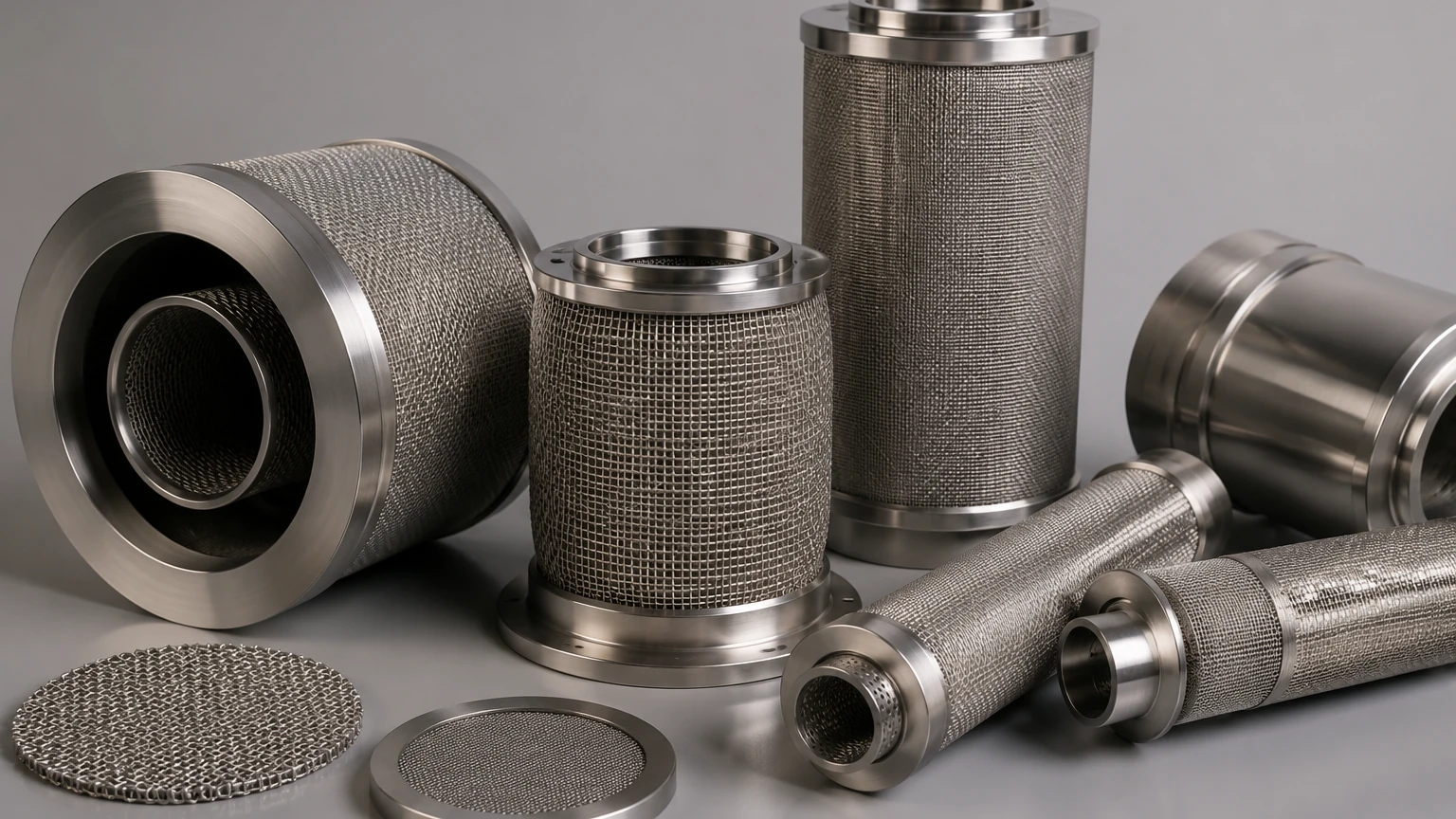
Kaifil specializes in various metal filtration structures that can be integrated into muffler designs. Sintered wire mesh is often the preferred choice for exhaust purification because it combines high mechanical strength with precise pore size control. Unlike fiber-based filters, stainless steel mesh does not shed particles into the exhaust stream and can withstand the pressure pulses typical of reciprocating engines.
Balancing Backpressure and Filtration Efficiency
One of the most complex challenges for engineers when specifying an exhaust purifier muffler is the management of backpressure. Backpressure refers to the resistance offered by the exhaust system to the flow of gases.
The Impact of Excessive Backpressure
If a filter is too restrictive (i.e., has a micron rating that is too fine for the flow rate), backpressure increases. In internal combustion engines, high backpressure leads to decreased fuel efficiency, increased operating temperatures, and potential damage to exhaust valves. In vacuum pumps, it can reduce the effective pumping speed and lead to motor overheating.
Optimization Strategies
To optimize performance, engineers must calculate the total surface area of the filtration media. By using pleated designs or multi-stage cylindrical cartridges, manufacturers can increase the effective filtration area without increasing the overall footprint of the muffler. This allows for high filtration efficiency (capturing smaller particles) while maintaining a low pressure drop across the unit. When evaluating options on the Main Page, it is essential to review the flow-to-pressure-drop curves provided by the manufacturer to ensure compatibility with your specific machinery.
Applications Across Industrial Sectors
The need for integrated noise and emission control spans a wide range of industries, each with unique technical requirements.
Power Generation and Standby Engines
Large-scale diesel generators used in hospitals, data centers, and industrial plants require robust exhaust systems. These mufflers must handle high-volume flow and high temperatures while ensuring the facility meets local air quality standards. The use of stainless steel ensures that the units do not rust during long periods of inactivity.
Vacuum and Pneumatic Systems
In food and beverage or pharmaceutical manufacturing, vacuum pumps are often used in cleanroom-adjacent areas. An exhaust purifier muffler in these settings must be highly efficient at capturing oil mist (from oil-sealed pumps) to prevent atmospheric contamination. The cleanability of stainless steel components is a significant advantage here, allowing for sterilized maintenance protocols.
Chemical Processing
Exhaust streams in chemical plants often contain aggressive vapors. A standard carbon steel muffler would fail within months. Using 316L stainless steel filter elements within the muffler housing provides the necessary chemical resistance to ensure long-term operational stability.
Maintenance, Cleaning, and Total Cost of Ownership
While the initial purchase price of a high-quality stainless steel exhaust purifier muffler is higher than that of disposable or carbon steel alternatives, the total cost of ownership (TCO) is often lower due to durability and maintainability.
Monitoring Performance
Engineers should install pressure gauges upstream of the muffler to monitor the pressure drop. A significant increase in backpressure typically indicates that the filter media is loaded with particulates and requires cleaning or replacement. Many modern systems include automated sensors that alert maintenance teams when the "delta-P" (pressure difference) reaches a critical threshold.
Cleaning Procedures
Unlike glass fiber or paper filters, stainless steel wire mesh filters are often cleanable. Depending on the type of contaminant, methods such as ultrasonic cleaning, backflushing with high-pressure water, or chemical solvent baths can restore the filter to near-original performance. This capability significantly extends the replacement cycle, reducing waste and long-term procurement costs.
Customization and OEM Integration
Off-the-shelf exhaust components rarely meet the specific spatial and performance constraints of specialized industrial equipment. Customization is often necessary to achieve the desired balance of noise reduction and filtration.
When working with a manufacturer like Kaifil, engineers can specify:
* Connection Types: Flanged, NPT threaded, or custom clamp fittings to match existing piping.
* Housing Geometry: Rectangular, cylindrical, or low-profile designs for tight engine compartments.
* Filtration Grades: Custom micron ratings tailored to the specific particulate size distribution of the exhaust.
* Internal Coatings: Optional catalytic coatings for the reduction of gaseous pollutants like CO or HC.
By collaborating during the design phase, OEMs can ensure that the exhaust purifier muffler is an integrated part of the machine’s performance profile rather than an afterthought. This proactive approach prevents field failures and ensures that the end-user receives a machine that is both quiet and environmentally compliant.
Conclusion
The exhaust purifier muffler is a vital component for modern industrial operations, bridging the gap between mechanical performance and environmental responsibility. By focusing on high-grade materials like stainless steel and optimizing the balance between filtration efficiency and backpressure, facilities can protect their equipment and their personnel. For those seeking technical specifications or customized filtration components, visiting the Main Page provides access to professional engineering support and a range of stainless steel solutions designed for the most demanding exhaust applications. Understanding these technical nuances allows purchasing teams and engineers to make informed decisions that favor long-term reliability over short-term savings.
