


Filter Cage Manufacturer
In the landscape of industrial air pollution control and liquid filtration, the filter cage serves as the critical structural backbone of the entire system. While often overshadowed by the filter media itself, the quality, design, and material integrity of the cage determine the efficiency and longevity of the filtration process. For engineers and procurement professionals, selecting a specialized filter cage manufacturer is not merely a matter of sourcing a commodity; it is an engineering decision that impacts pressure drop, bag life, and overall system downtime.
Industrial filtration systems, particularly baghouses and dust collection units, rely on filter cages to provide internal support for filter bags or cartridges. Without a robust and precisely manufactured cage, the filter media would collapse under the pressure of the airflow or the pulse-jet cleaning cycle. As a result, the performance of the entire filtration unit is inextricably linked to the mechanical precision of these metal components.
Understanding the Structural Importance of Filter Cages
The primary function of a filter cage is to maintain the shape of the filter bag, ensuring that the maximum surface area remains available for filtration. In a pulse-jet system, where compressed air is used to dislodge dust cake from the exterior of the bag, the cage must withstand repeated mechanical stress. A high-quality filter cage manufacturer focuses on structural rigidity to prevent the bag from flexing excessively, which can lead to premature fabric fatigue and mechanical failure.
From an engineering perspective, the cage design must account for the specific geometry of the filter housing. Whether the system utilizes circular, oval, or flat-envelope bags, the cage must fit with tight tolerances. If a cage is too loose, the bag may rub against the metal wires during the cleaning cycle, causing abrasive wear. Conversely, if the cage is too tight, installation becomes difficult, and the stress on the fabric increases. Professional manufacturers utilize automated welding and CNC wire forming to ensure that every cage meets the exact dimensional requirements of the application.
Material Selection and Engineering Specifications
Material science plays a pivotal role in the performance of filtration components. Depending on the chemical composition of the gas stream, the temperature of the environment, and the presence of moisture, the choice of metal can vary significantly. A reputable filter cage manufacturer typically offers a range of materials to suit diverse industrial needs:
* Carbon Steel: Often used in non-corrosive environments where cost-efficiency is a primary concern. These are usually finished with galvanized or epoxy coatings to provide a basic level of protection against oxidation.
* Stainless Steel (SS304/SS316L): In industries such as chemical processing, pharmaceuticals, and food production, stainless steel is the standard. SS316L, in particular, offers superior resistance to acid corrosion and high-temperature oxidation. As a specialist in stainless steel filtration, Kaifil emphasizes the use of high-grade alloys to ensure durability in demanding environments.
* Specialty Alloys: For extreme conditions involving high concentrations of corrosive gases or temperatures exceeding 500°F, manufacturers may employ Hastelloy or other nickel-based alloys.
Beyond material type, the physical configuration of the cage is determined by the number of vertical wires and the spacing of the horizontal rings. A standard cage might feature 10, 12, or 20 vertical wires. A higher wire count provides more support for the filter media, reducing the "sag" between wires and minimizing the mechanical strain during pulse-jet cleaning. This is particularly important for delicate glass-fiber or PTFE membranes that are susceptible to cracking if flexed too sharply.
Manufacturing Precision: Welding and Surface Treatment
The manufacturing process itself is where the quality of a filter cage is truly defined. One of the most common causes of filter bag failure is the presence of burrs, sharp edges, or weld splatter on the cage surface. When the bag expands and contracts during operation, these imperfections act like knives, slicing through the filter media.
A professional filter cage manufacturer utilizes advanced resistance welding techniques to create smooth, consistent joints. Unlike manual welding, automated spot welding ensures that each contact point between the vertical wires and the horizontal rings is secure without creating excess heat that could weaken the metal. After welding, the cages undergo rigorous finishing processes. This may include acid pickling and passivation for stainless steel to restore corrosion resistance, or specialized coatings like organic silicon or electro-galvanization for carbon steel.
Surface roughness is a critical metric, especially in the pharmaceutical and food and beverage sectors. In these industries, the filtration components must not only be durable but also easy to clean and compliant with sanitary standards. Precision metal filter components manufactured with high-quality surface finishes reduce the risk of particulate entrapment and bacterial growth.
Customization Options for Diverse Industrial Applications
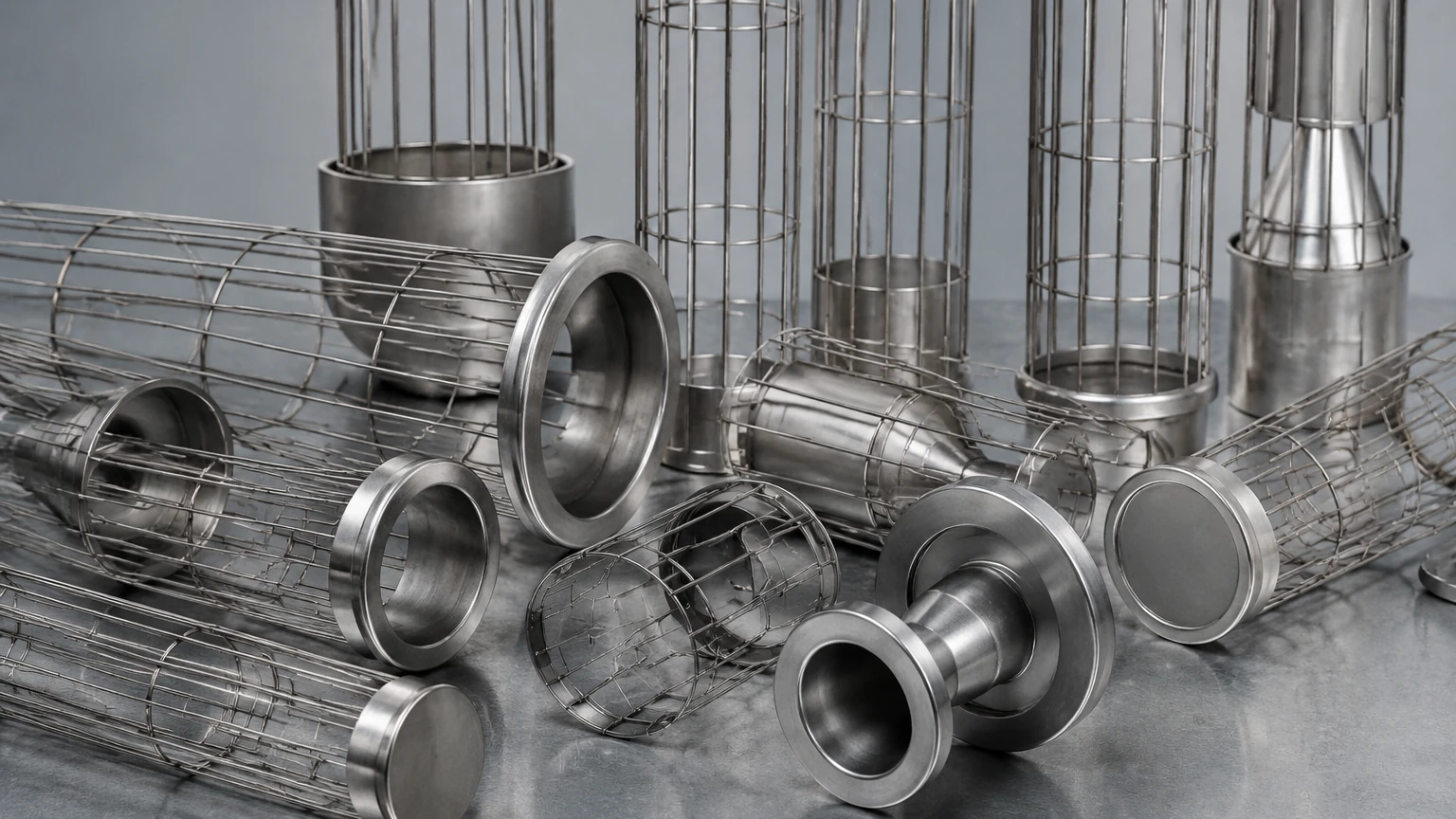
Every industrial facility has unique filtration requirements based on its equipment and process parameters. A leading filter cage manufacturer provides extensive OEM and customization capabilities to address these specific challenges. Customization often involves more than just changing the length or diameter of the cage; it includes the engineering of specialized top and bottom configurations.
* Venturi Integration: A venturi is often mounted at the top of the cage to optimize the pulse-jet cleaning air. The shape and material of the venturi (cast aluminum, spun steel, or plastic) must be matched to the cage and the cleaning system's pressure to ensure efficient dust removal.
* Split Cage Designs: In facilities with low overhead clearance, installing a single 20-foot cage is impossible. Manufacturers design split cages with specialized locking mechanisms—such as claw couplings or slide locks—that allow the cage to be assembled in sections during installation.
* Bottom Cap Styles: Depending on the baghouse design, cages may feature welded bottom caps, crimped bottoms, or even open bottoms with specialized support structures.
By working closely with a manufacturer that understands these nuances, engineering teams can optimize their systems for better airflow and easier maintenance. For more information on how customized designs can improve your filtration efficiency, you can visit the Main Page to review product options and application support.
Total Cost of Ownership and Maintenance Considerations
When evaluating a filter cage manufacturer, it is essential to look beyond the initial purchase price and consider the total cost of ownership (TCO). A lower-quality cage may save money upfront but can lead to significantly higher operational costs over time. If a cage fails due to corrosion or poor weld quality, it doesn't just mean replacing the cage; it often means replacing the expensive filter bag as well, along with the labor costs and lost production time associated with an unscheduled shutdown.
Furthermore, the design of the cage influences the energy consumption of the filtration system. A cage that provides optimal support and keeps the filter bag properly tensioned allows for more efficient cleaning cycles. This results in a lower average pressure drop across the system, reducing the load on the main fan and lowering energy bills. Engineers should also consider the replacement cycle. While stainless steel cages have a higher initial cost, their longevity in corrosive environments often makes them the more economical choice over a five-to-ten-year period compared to frequently replaced carbon steel alternatives.
Selecting the Right Filter Cage Manufacturer for Your Project
Choosing the right partner for filtration components requires a thorough assessment of their technical expertise and quality control systems. A reliable manufacturer should be able to provide detailed material certifications and demonstrate a clear understanding of filtration principles. Key questions for engineers to ask include:
1. What tolerances do you maintain for cage straightness and diameter? Even a slight bow in a long cage can cause it to touch adjacent bags, leading to abrasion.
2. How do you ensure the removal of all sharp edges and weld burrs? Ask about their post-welding inspection and finishing processes.
3. Can you provide custom engineering support for non-standard baghouse configurations? A manufacturer with in-house design capabilities can help solve complex installation issues.
4. What testing protocols are in place? This includes pull tests for welds and salt spray testing for coatings.
In demanding sectors like chemical processing and water treatment, the reliability of filtration components is non-negotiable. By partnering with a specialist like Kaifil, which focuses on precision stainless steel filtration solutions, companies can ensure that their systems operate at peak efficiency with minimal maintenance intervention. Whether you are designing a new facility or retrofitting an existing baghouse, the quality of the filter cage remains a fundamental pillar of industrial performance.
