


Filter Compressor
In the realm of industrial gas and air processing, the term "filter compressor" refers to the integrated filtration systems essential for the protection, efficiency, and output quality of compression machinery. Compressors are the workhorses of modern manufacturing, powering pneumatic tools, facilitating chemical reactions, and ensuring the movement of gases in pharmaceutical and food-grade environments. However, the compression process inherently concentrates atmospheric contaminants, moisture, and lubricating oils. Without robust filtration solutions, these contaminants can lead to catastrophic mechanical failure, high energy costs, and compromised end-products.
For engineers and procurement professionals, selecting the right filtration components is not merely a matter of maintenance but a critical engineering decision. High-performance stainless steel filters, such as those manufactured by Kaifil, provide the durability and precision required to handle the rigorous demands of industrial compressor stages. This guide explores the technical nuances of compressor filtration, from material selection to performance evaluation.
The Role of Filtration in Compressor Systems
Industrial compressors operate by reducing the volume of a gas, which increases its pressure. This process also concentrates everything present in the ambient air. A typical cubic meter of industrial air can contain millions of dirt particles, significant amounts of water vapor, and hydrocarbon vapors. In an oil-injected screw compressor, the lubricant itself becomes a potential contaminant that must be managed.
Filtration in a compressor system serves three primary functions:
1. Machine Protection: Preventing particulate matter from entering the compression chamber where it can cause abrasive wear on rotors, pistons, and valves.
2. System Integrity: Protecting downstream components such as pneumatic actuators, heat exchangers, and piping from corrosion and clogging.
3. Product Purity: Ensuring that the compressed air or gas meets the specific purity standards required for the application, such as ISO 8573-1 classes for air quality.
By utilizing specialized filter compressor components, facilities can significantly extend the Mean Time Between Failures (MTBF) of their equipment and reduce the Total Cost of Ownership (TCO) associated with energy loss and repairs.
Key Components of a Filter Compressor Setup
A comprehensive filtration strategy involves multiple stages, each designed to address specific types of contaminants at different points in the compression cycle.
Air Intake Filters
The first line of defense is the intake filter. Its primary role is to remove dust and large particulates from the ambient air before it enters the compressor. If these particles bypass the intake filter, they mix with the compressor oil, creating an abrasive slurry that damages internal surfaces. High-quality intake filters must balance high filtration efficiency with low initial pressure drop to ensure the compressor does not work harder than necessary to draw in air.
Oil Filters
In oil-lubricated compressors, the oil filter removes metal shavings, carbon deposits, and dust that have accumulated in the lubricating fluid. Maintaining oil cleanliness is vital for cooling the compression elements and sealing the gaps between moving parts. Stainless steel wire mesh or sintered metal filters are often preferred here for their ability to withstand high temperatures and pressures without media migration.
Air/Oil Separators
In oil-injected systems, the air leaves the compression chamber mixed with a large volume of lubricant. The air/oil separator is a specialized filter element designed to coalesce oil droplets and return them to the lubrication circuit while allowing clean air to pass through. Efficiency here is measured in "oil carryover," typically expressed in parts per million (ppm). Low carryover is essential for reducing oil consumption and protecting downstream filters.
Coalescing and Particulate Downstream Filters
Once the air is compressed and cooled, downstream filters remove residual oil aerosols, water droplets, and fine particulates. Coalescing filters use a multi-stage process of interception, diffusion, and impaction to merge small droplets into larger ones that can be drained away. For high-purity applications, stainless steel filter cartridges are often used for their chemical compatibility and ability to be cleaned and reused.
Engineering Material Selection: Why Stainless Steel?
While synthetic fibers and paper media are common in standard applications, demanding industrial environments often require the resilience of metal. As a specialist in custom stainless steel filtration, Kaifil provides solutions that address the limitations of traditional media.
Durability and Mechanical Strength
Compressor systems often experience pressure surges and high-velocity flows. Stainless steel wire mesh and sintered metal components possess the structural integrity to resist collapsing or bursting under these conditions. Unlike paper or plastic, metal filters do not become brittle over time when exposed to heat or synthetic lubricants.
Chemical and Thermal Resistance
Compressors used in chemical processing or those handling aggressive gases require filters that will not degrade. Stainless steel (specifically 304 or 316L grades) offers exceptional resistance to corrosion. Furthermore, the heat generated during the adiabatic compression process can exceed the operating limits of many synthetic materials, making metal the only viable choice for high-temperature stages.
Cleanability and Sustainability
One of the most significant advantages of stainless steel filter compressor elements is their cleanability. Through ultrasonic cleaning, backwashing, or chemical cleaning, these filters can be restored to near-original performance levels. This reduces the waste generated by disposable filters and provides a more predictable long-term cost structure for the facility.
Technical Parameters for Filter Selection
When evaluating a filter compressor solution, engineers must look beyond the physical dimensions. Several technical parameters dictate how a filter will perform in a real-world environment.
Micron Rating: Absolute vs. Nominal
It is crucial to distinguish between nominal and absolute micron ratings. A nominal rating indicates the filter's ability to retain a majority of particles of a certain size, whereas an absolute rating (often defined by a Beta Ratio) indicates a much higher efficiency (usually 99.9%) at that size. For critical compressor components, absolute ratings are often required to prevent micro-abrasion.
Pressure Drop (ΔP)
Pressure drop is the difference in pressure between the inlet and the outlet of the filter. Every bar of pressure drop caused by a clogged or undersized filter results in a significant increase in the compressor's energy consumption—often estimated at a 7% increase in power for every 1 bar of pressure drop. Selecting filters with optimized flow geometry and high porosity is essential for energy efficiency.
Flow Capacity and Velocity
Filters must be sized to handle the maximum flow rate of the compressor without creating excessive turbulence or velocity. High-velocity air can strip collected contaminants from the filter media, a phenomenon known as "unloading," which can contaminate the entire downstream system.
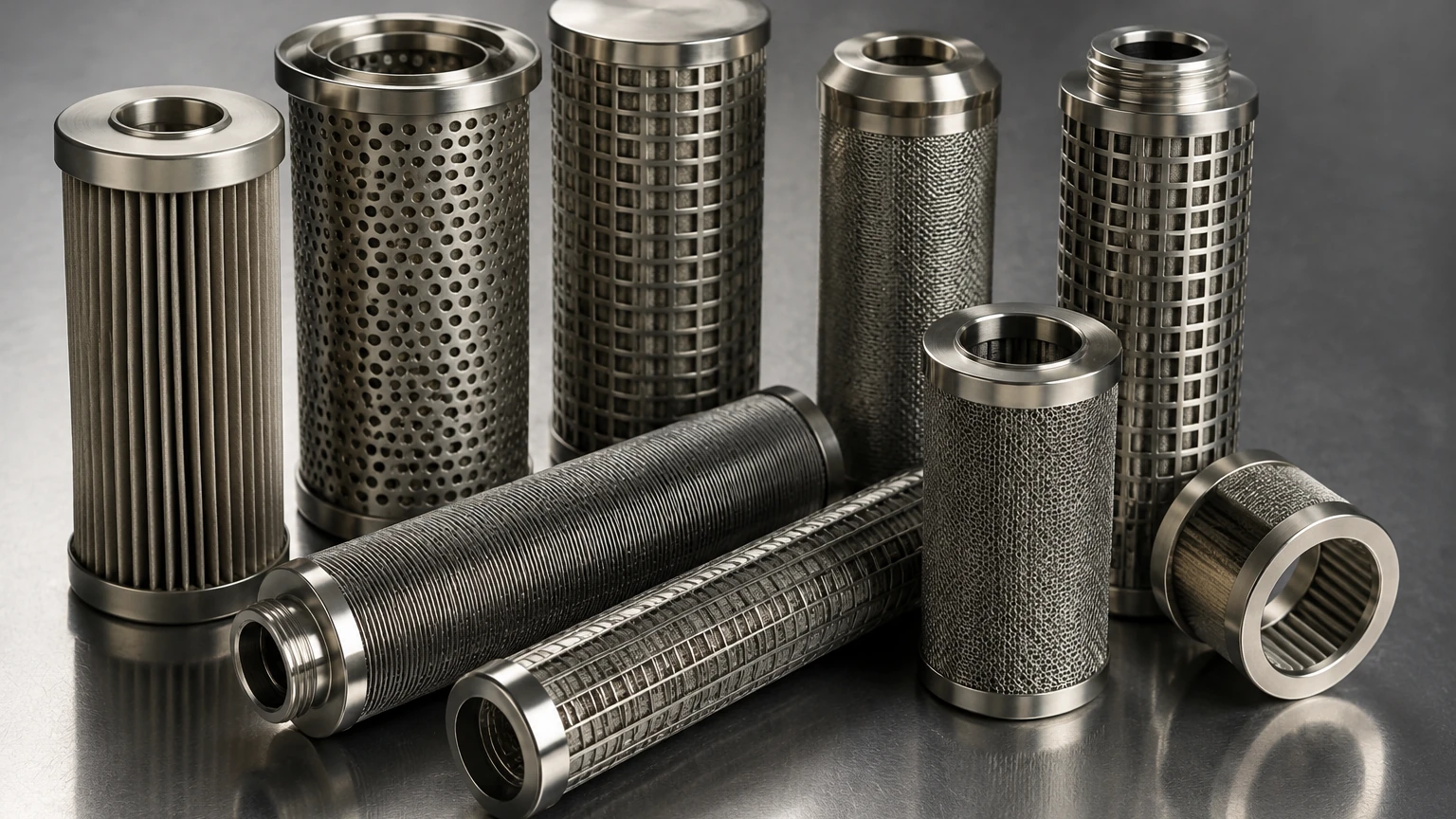
Custom OEM Solutions for Specialized Compressors
Many industrial applications involve non-standard gases, extreme pressures, or unique housing configurations that off-the-shelf filters cannot accommodate. This is where custom manufacturing becomes essential. By working with a professional manufacturer, engineering teams can specify the exact weave patterns, pleat densities, and end-cap configurations needed for their specific machinery.
Customized stainless steel filtration solutions allow for precise control over the filtration surface area. Increasing the surface area through advanced pleating techniques can lower the pressure drop and extend the service life between cleanings. For those looking to optimize their systems, you can Review product options and application support on our Main Page to see how customized designs integrate into complex compressor architectures.
Common Risks of Poor Filtration
Neglecting the filtration requirements of a compressor system leads to a cascade of operational failures. Understanding these risks helps justify the investment in high-quality filter compressor components.
* Rotor and Bearing Damage: In screw compressors, even small particulates can scar the precision-machined rotors, leading to loss of compression efficiency and eventual seizure.
* Valve Fouling: In reciprocating compressors, carbon buildup and debris can prevent valves from seating properly, causing overheating and mechanical stress.
* Downstream Contamination: For food, beverage, and pharmaceutical industries, a failure in compressor filtration can lead to entire batches of product being discarded due to oil or particulate contamination.
* Increased Energy Costs: As filters clog, the compressor must run longer and at higher internal pressures to deliver the required output at the point of use, leading to skyrocketing electricity bills.
Maintenance and Total Cost of Ownership (TCO)
A common mistake in procurement is focusing solely on the initial purchase price of a filter. A true TCO analysis includes the cost of energy consumed due to pressure drop, the labor cost of frequent replacements, and the potential cost of production downtime.
Stainless steel filters offer a compelling TCO because they are designed for the life of the equipment. While the initial investment is higher than disposable alternatives, the elimination of recurring replacement costs and the maintenance of low pressure drops over time provide a rapid Return on Investment (ROI).
Monitoring performance is key. Modern systems should utilize differential pressure gauges to track the health of the filter compressor elements. A sudden drop in differential pressure may indicate a ruptured element, while a steady increase signals the need for cleaning or replacement. By establishing a proactive maintenance schedule based on actual performance data rather than arbitrary time intervals, facilities can optimize both machine health and operational budget.
Conclusion
The efficiency and reliability of an industrial compressor are inextricably linked to the quality of its filtration system. Whether protecting the internal components of the compressor or ensuring the purity of the gas output, the choice of filter media and design is paramount. Stainless steel filtration solutions, characterized by their mechanical strength, thermal stability, and cleanability, represent the gold standard for demanding B2B industrial applications. By understanding the technical parameters and risks involved, engineers can select filter compressor components that ensure long-term operational success and minimal environmental impact.
