


Filter Cart
In the realm of industrial fluid management, the maintenance of oil and hydraulic fluid cleanliness is a critical factor in ensuring equipment longevity and operational reliability. A filter cart serves as a mobile, offline filtration system designed to remove contaminants from oils, lubricants, and hydraulic fluids. Unlike integrated filtration systems that operate as part of a machine's primary circuit, a filter cart provides the flexibility to clean fluids in reservoirs, transfer fluids between containers, or flush systems during commissioning or after a component failure.
For engineers and maintenance professionals, selecting the appropriate filter cart involves more than choosing a pump and a frame; it requires a deep understanding of fluid dynamics, contaminant types, and the technical specifications of the filtration media. As a manufacturer specializing in precision metal filtration components, Kaifil provides the foundational elements—such as stainless steel filter cartridges and wire mesh—that enable these systems to perform under demanding industrial conditions. For more information on our full range of filtration capabilities, please visit our Main Page.
Understanding the Architecture of an Industrial Filter Cart
A filter cart is an integrated assembly of several key engineering components, each of which must be matched to the specific fluid and environment it will encounter. The primary components include the pump-motor group, the filter housings, and the structural chassis.
The Pump-Motor Assembly
The heart of the filter cart is the pump, which determines the flow rate and the system's ability to handle fluids of varying viscosities. In industrial applications, gear pumps are frequently used due to their ability to provide a steady flow and handle high-viscosity lubricants. The motor must be sized to provide sufficient torque, especially during cold starts when fluid viscosity is at its peak. Engineers must evaluate the "Duty Cycle" of the motor to ensure it can handle continuous filtration tasks without overheating.
Filter Housings and Elements
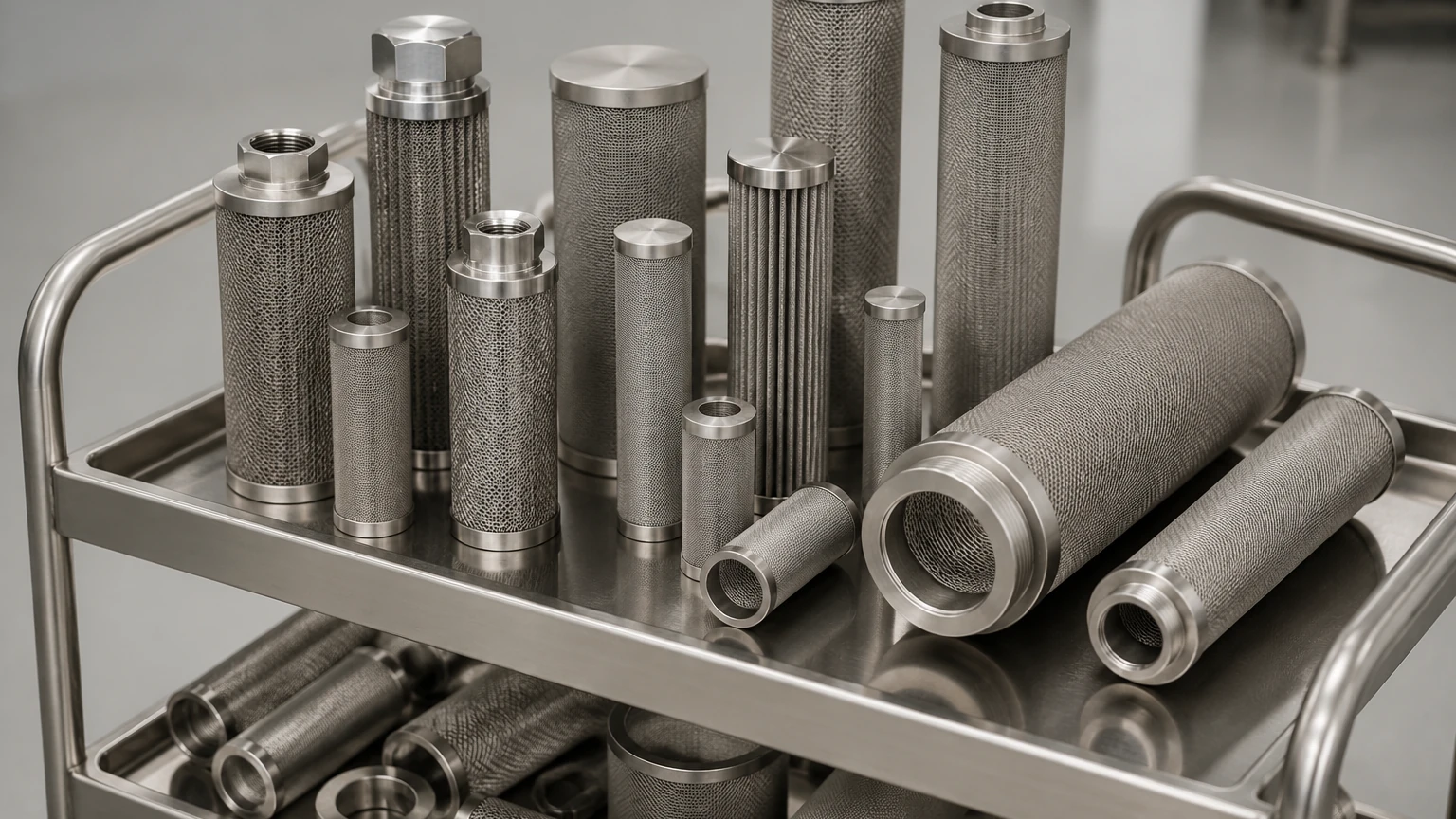
The filtration performance of the cart is dictated by the filter housings and the elements contained within them. Most professional-grade carts utilize a dual-stage filtration approach. The first stage typically removes larger particles (primary filtration), while the second stage targets fine particulates or water removal. The choice of the filter element—whether it be a disposable synthetic media or a cleanable stainless steel wire mesh—depends on the required cleanliness level and the chemical compatibility of the fluid.
Hoses and Connections
High-quality suction and discharge hoses are essential. These must be reinforced to prevent collapse under vacuum (on the suction side) and rated for the maximum pressure the pump can generate. Quick-connect couplings are often employed to minimize fluid loss and prevent the introduction of new contaminants during the connection process.
The Critical Importance of Filtration Efficiency and Micron Ratings
When evaluating a filter cart, the most discussed specification is the micron rating. However, a simple micron number is often insufficient for industrial engineering standards. Professionals must look at the Beta Ratio (β), which defines the filtration efficiency for a specific particle size.
Absolute vs. Nominal Filtration
Nominal ratings refer to an approximate filtration level, often capturing only 50% to 85% of particles at a given size. In contrast, absolute filtration (typically defined as βx > 75 or βx > 1000) ensures that a much higher percentage of contaminants are captured. For sensitive hydraulic systems, absolute-rated elements are mandatory to prevent "silt-sized" particles from causing abrasive wear on valves and actuators.
ISO 4406 Cleanliness Standards
The ultimate goal of using a filter cart is to achieve a specific ISO 4406 cleanliness code (e.g., 16/14/11). This code represents the number of particles larger than 4µm, 6µm, and 14µm per milliliter of fluid. A well-engineered filter cart, equipped with high-precision stainless steel or micro-glass elements, can significantly reduce these counts, extending the life of downstream components by up to ten times by maintaining the fluid within the manufacturer’s specified cleanliness limits.
Material Selection for Demanding Environments
One of the most critical decisions in filter cart configuration is the material of the filtration media. While synthetic fibers are common for standard hydraulic oils, many industrial processes involve variables that necessitate more robust materials.
Stainless Steel Wire Mesh
Stainless steel (typically Grade 304 or 316L) is the material of choice for high-temperature applications, corrosive fluids, or when the user requires a cleanable and reusable element. Stainless steel filter cartridges manufactured by Kaifil offer exceptional structural integrity, ensuring that the media does not migrate or collapse under high differential pressure. This is particularly important in chemical processing and food-grade applications where material purity is paramount.
Chemical Compatibility
Engineers must ensure that every seal, hose, and filter media within the cart is compatible with the fluid being processed. For example, phosphate ester fluids used in power generation require EPDM or Viton seals, as standard Buna-N seals will degrade rapidly. Similarly, the metal components of the filter housing must be resistant to the specific chemical profile of the fluid to prevent galvanic corrosion or leaching.
Applications Across Diverse Industries
The versatility of the filter cart makes it an indispensable tool across various sectors, each with unique filtration requirements.
Hydraulic System Maintenance
In the hydraulic industry, the "silent killer" of equipment is particulate contamination. Filter carts are used for "kidney loop" filtration, where the cart pulls oil from a reservoir, filters it, and returns it to the same reservoir while the main system is either running or idle. This process is essential for removing wear debris that the system's internal filters might miss.
Power Generation and Lubrication
Large turbines and gearboxes in power plants require massive volumes of lubrication oil. Filter carts are used here not only for cleaning but also for fluid transfer. When adding new oil to a system, it is a common misconception that the oil is clean "out of the drum." In reality, new oil often exceeds the allowable ISO cleanliness codes. A filter cart ensures that only pre-filtered, clean oil enters the critical machinery.
Food and Beverage Processing
In food-grade environments, filtration components must meet strict hygiene standards. Stainless steel filtration elements are preferred here because they can be sterilized and do not shed fibers into the product stream. Filter carts in this sector are often used for processing edible oils or cleaning liquid ingredients.
Engineering Evaluation: Selecting a Filter Cart for Your Facility
To make an informed purchasing decision, engineers should conduct a thorough evaluation based on the following technical criteria:
1. Fluid Viscosity Range: Determine the highest and lowest temperatures the fluid will reach during filtration. A pump that works for ISO 32 hydraulic oil may fail or trigger a bypass valve when used with ISO 460 gear oil at room temperature.
2. Flow Rate vs. Reservoir Size: A general rule of thumb for kidney-loop filtration is to have a flow rate that can cycle the entire reservoir volume approximately 3 to 5 times per hour. However, if the fluid is heavily contaminated, a slower flow rate may be necessary to increase "dwell time" within the filter media.
3. Portability and Ergonomics: For facilities with tight spaces or multiple floors, the weight and footprint of the cart are vital. Pneumatic tires are often preferred for uneven plant floors, while smaller, hand-carried units may be better for localized "mini-reservoirs."
4. Monitoring Instrumentation: Does the cart include a differential pressure gauge? This is the only way to know when the filter element is saturated and needs replacement. Advanced units may also include onboard particle counters for real-time cleanliness monitoring.
Operational Best Practices and Maintenance
To maximize the effectiveness of a filter cart, specific operational protocols should be followed.
Monitoring Pressure Drop
As the filter element captures contaminants, the resistance to flow increases, leading to a rise in differential pressure (ΔP). Operators must be trained to monitor the pressure gauges. Operating a cart with a saturated filter can lead to the bypass valve opening, which allows unfiltered oil to circulate, defeating the purpose of the cart entirely.
Avoiding Cross-Contamination
A common risk in industrial facilities is using the same filter cart for different types of fluids. Even a small amount of residual fluid in the hoses can cause chemical reactions or additive drop-out when introduced to a different oil type. It is best practice to dedicate specific carts to specific fluid families or to implement a rigorous flushing procedure between uses.
Replacement Cycles for Filter Elements
While stainless steel elements can often be cleaned using ultrasonic baths or back-flushing, they eventually reach a point of fatigue or permanent fouling. Establishing a replacement cycle based on the number of hours operated or the volume of fluid processed ensures that the filtration system always operates at peak efficiency.
Customization and OEM Solutions
Many industrial applications require specialized filtration solutions that off-the-shelf filter carts cannot provide. This is where customization becomes essential. Manufacturers of filter carts often partner with component specialists like Kaifil to develop custom filter housings and high-performance metal cartridges tailored to specific flow rates, pressure requirements, or chemical environments.
Customization options can include:
* High-Pressure Housings: For systems where the return line pressure is significantly higher than standard atmospheric levels.
* Multi-Stage Filtration: Incorporating magnetic pre-filters to remove ferrous particles before they reach the fine mesh elements.
* Specialized Media: Utilizing multi-layered sintered wire mesh for applications requiring extreme structural strength and precise micron control.
Total Cost of Ownership (TCO) and ROI
When justifying the investment in a high-quality filter cart, the focus should be on the Total Cost of Ownership rather than the initial purchase price. A cheaper cart with inefficient filters or a low-quality pump will result in higher maintenance costs, frequent element changes, and potentially, equipment failure.
An effective filtration program using a robust filter cart provides a clear Return on Investment (ROI) through:
* Extended Fluid Life: By removing water and particulates, the oxidative stability of the oil is maintained, allowing for longer intervals between oil changes.
* Reduced Component Wear: Cleaner fluid directly correlates to fewer failures of pumps, valves, and cylinders.
* Increased Uptime: Preventative filtration reduces the likelihood of unscheduled downtime caused by contaminated systems.
In conclusion, the filter cart is a vital asset in any modern industrial maintenance strategy. By selecting a system equipped with high-quality filtration components and understanding the engineering principles behind fluid cleanliness, organizations can significantly enhance the reliability and efficiency of their operations. For technical support in selecting the right stainless steel filtration components for your industrial needs, explore the resources available on our Main Page.
