


Filter Housing Manufacturer
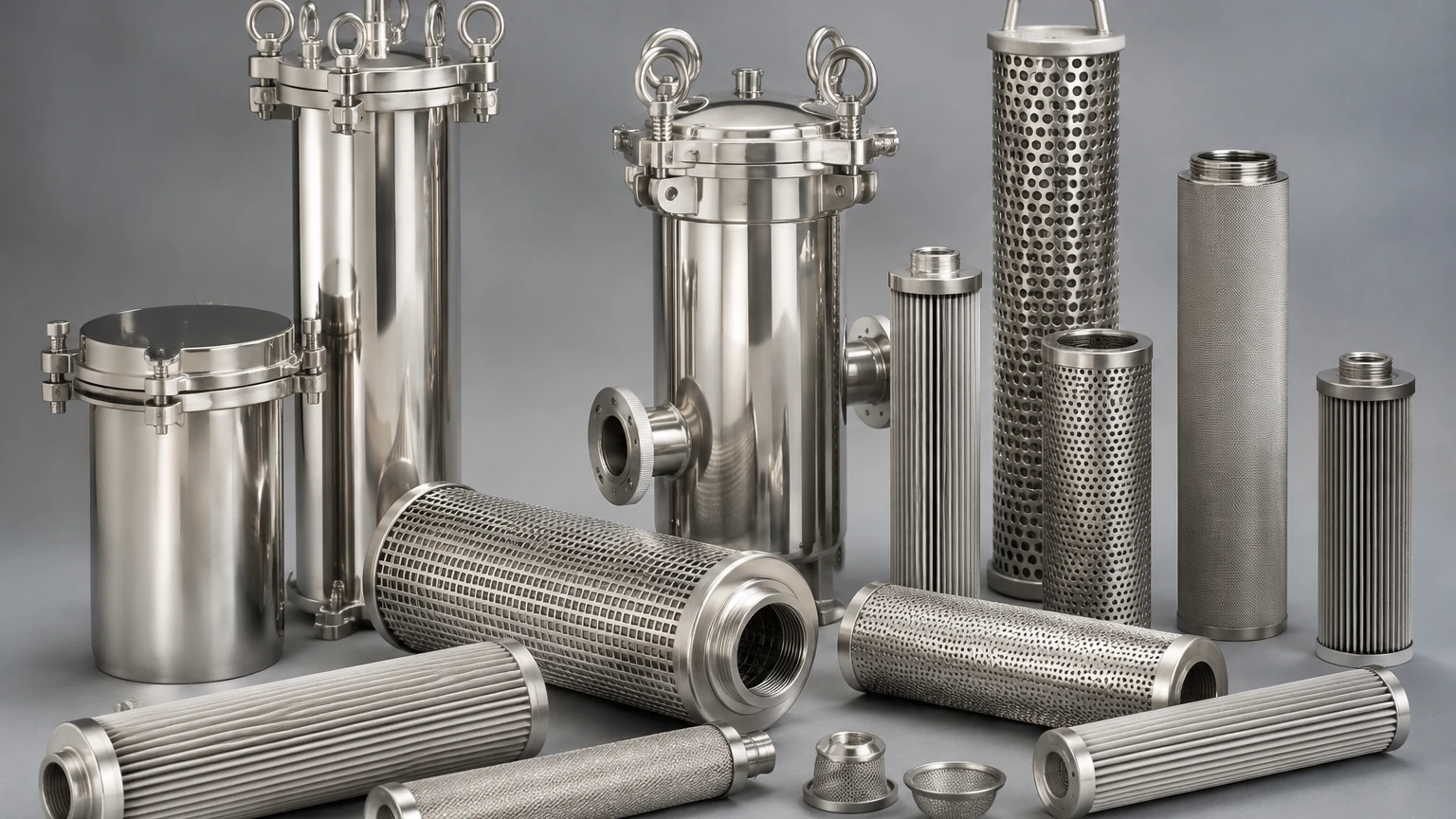
In the landscape of industrial fluid processing, the efficiency of a filtration system is determined not only by the filter media itself but also by the vessel that contains it. A professional filter housing manufacturer plays a critical role in ensuring that filtration systems operate under the required pressure, temperature, and chemical conditions without compromising safety or performance. For engineers and procurement specialists, selecting a housing manufacturer involves a deep dive into metallurgy, pressure vessel design, and the seamless integration of filtration components such as stainless steel wire mesh and cartridges.
Industrial filter housings serve as the structural interface between the process flow and the filtration element. Whether the application involves chemical processing, food and beverage production, or hydraulic systems, the housing must be engineered to withstand the rigors of the environment while allowing for easy maintenance and element replacement.
The Engineering Significance of Industrial Filter Housings
A filter housing is essentially a pressure vessel designed to hold a filter element in a specific orientation to ensure that 100% of the fluid passes through the media. A filter housing manufacturer must account for several mechanical factors during the design phase. These include the maximum operating pressure, the anticipated flow rate, and the specific gravity of the fluid being processed.
From an engineering perspective, the housing must minimize "bypass," which occurs when fluid escapes around the edges of the filter element rather than through it. This requires precision-machined sealing surfaces and high-quality gaskets or O-rings. For high-performance applications, such as those utilizing Kaifil’s precision metal filter components, the housing design must complement the micron rating and structural strength of the internal cartridge to prevent deformation under high differential pressures.
Material Selection and Metallurgy in Housing Fabrication
Material compatibility is the cornerstone of industrial filtration. Most high-quality filter housing manufacturers specialize in stainless steel, specifically grades 304 and 316L. The choice between these materials depends heavily on the chemical nature of the process fluid and the environmental conditions of the facility.
* Stainless Steel 304: Suitable for general industrial applications, water treatment, and less corrosive chemical environments. It offers excellent durability and cost-effectiveness.
* Stainless Steel 316L: The preferred choice for pharmaceutical, food and beverage, and aggressive chemical applications. The "L" denotes low carbon content, which improves weldability and resistance to intergranular corrosion. The addition of molybdenum provides superior resistance to chlorides and pitting.
Beyond the base metal, the surface finish is equally important. In sanitary applications, a manufacturer may provide electropolishing or mechanical polishing to achieve a specific Ra (roughness average) value. This ensures that there are no microscopic pits where bacteria or contaminants can accumulate, facilitating effective Clean-in-Place (CIP) procedures.
Design Configurations: Single-Round vs. Multi-Round Systems
When collaborating with a filter housing manufacturer, engineers must determine the appropriate configuration based on the required throughput.
Single-Round Housings
These are designed for lower flow rates or batch processes. They contain a single filter cartridge and are often used in pilot plants, small-scale chemical production, or as point-of-use filters in laboratory settings. They are compact, easy to clean, and offer a lower initial capital investment.
Multi-Round Housings
For high-volume industrial applications, multi-round housings are necessary. These vessels can hold anywhere from three to over a hundred filter cartridges. The design of the internal tubesheet in a multi-round housing is critical; it must distribute the flow evenly across all elements to prevent premature clogging of certain cartridges while others remain underutilized. This balanced flow distribution is essential for maximizing the service life of expensive filtration media.
Custom OEM Solutions for Specialized Industrial Applications
Standard off-the-shelf housings often fall short in specialized industrial environments. This is where the expertise of a custom filter housing manufacturer becomes invaluable. Customization can range from unique inlet/outlet orientations to specialized mounting brackets or the integration of differential pressure gauges.
For example, in hydraulic systems, housings must often handle extremely high pressures and rapid pressure spikes. In the pharmaceutical industry, housings may require specialized vent and drain valves to ensure total product recovery and sterile sampling. By working with a manufacturer that offers OEM capabilities, companies can develop filtration solutions that fit perfectly within their existing infrastructure, reducing the need for costly piping modifications. For more information on customized filtration components, you can visit the Main Page to review product options and application support.
Technical Specifications: Pressure Ratings and Flow Dynamics
A reputable filter housing manufacturer provides comprehensive technical documentation for every vessel produced. Key specifications that engineers must confirm include:
1. Maximum Allowable Working Pressure (MAWP): This is the highest pressure at which the housing can safely operate at a specific temperature. It is usually determined through hydrostatic testing.
2. Pressure Drop (Delta P): The housing itself introduces a certain amount of resistance to the flow. Manufacturers provide flow curves showing the pressure drop at various flow rates using water as a baseline. This helps engineers size pumps correctly.
3. Connection Types: Depending on the industry, housings may feature NPT threads, flanged connections (ANSI, DIN, or JIS), or sanitary Tri-Clamp fittings. The choice of connection affects both the ease of installation and the pressure rating of the system.
4. Closure Mechanisms: For systems requiring frequent filter changes, swing-bolt closures are often preferred for their speed and security. For lower-pressure or smaller systems, V-band clamps or threaded caps may be sufficient.
Quality Standards and Regulatory Compliance
In the B2B sector, compliance is not optional. A filter housing manufacturer must adhere to recognized international standards to ensure safety and reliability. In the United States, the ASME Boiler and Pressure Vessel Code (Section VIII) is the gold standard for pressure vessel fabrication. In Europe, the Pressure Equipment Directive (PED) serves a similar purpose.
For the food, beverage, and pharmaceutical sectors, 3-A Sanitary Standards or FDA compliance for sealing materials (O-rings and gaskets) are mandatory. These standards ensure that the materials in contact with the product will not leach harmful substances and that the design allows for complete sterilization. When vetting a manufacturer, it is essential to request material test reports (MTRs) and certificates of compliance to verify the origin and quality of the steel used.
Evaluating a Filter Housing Manufacturer for Long-Term Reliability
Choosing a partner for filtration housing involves more than just comparing price points. Technical professionals should evaluate a manufacturer based on several criteria that impact the total cost of ownership (TCO):
* Engineering Support: Does the manufacturer provide CAD drawings or 3D models to assist in the system design phase? Can they perform computational fluid dynamics (CFD) analysis for complex flow requirements?
* Manufacturing Capabilities: Do they have in-house TIG/MIG welding, CNC machining, and polishing facilities? In-house control over these processes typically leads to higher quality and more reliable lead times.
* Testing Protocols: Beyond standard hydrostatic testing, does the manufacturer offer dye penetrant testing or X-ray inspection of welds for critical applications?
* Compatibility Knowledge: A manufacturer that understands both the housing and the internal filter elements (like stainless steel wire mesh) can provide better advice on how the two will perform together under stress.
Optimizing Filtration Systems with Integrated Solutions
The most effective filtration systems are those where the housing and the filter element are designed to work in tandem. A filter housing manufacturer that also understands the nuances of stainless steel filter cartridges can help optimize the "dirt-holding capacity" of the system.
For instance, if a housing is too small for the required flow, the velocity of the fluid entering the vessel can be high enough to cause mechanical damage to the pleats of a wire mesh filter. Conversely, an oversized housing may lead to stagnant zones where sediment can settle, making the vessel difficult to clean. Professional manufacturers provide guidance on the "flux rate"—the flow per unit of filter area—to ensure that the system operates within its optimal performance envelope.
Conclusion
Selecting the right filter housing manufacturer is a strategic decision that affects the safety, efficiency, and longevity of industrial processes. By focusing on material integrity, precision engineering, and compliance with international standards, manufacturers like Kaifil provide the robust infrastructure necessary for high-performance filtration. Whether the requirement is for a standard stainless steel vessel or a highly customized OEM solution, understanding the technical boundaries of housing design ensures that engineers can achieve reliable and cost-effective filtration performance in even the most demanding environments.
