


Filter Press Filters
In the landscape of industrial solid-liquid separation, filter press filters serve as the critical interface where the actual separation occurs. While the filter press machine provides the mechanical structure and pressure necessary for operation, the performance of the entire system is ultimately dictated by the quality, material, and design of the filtration media. For industries dealing with aggressive chemicals, high temperatures, or stringent hygiene requirements, the choice of filtration components shifts from standard fabrics to high-precision metal solutions. This guide explores the technical engineering considerations, material science, and selection criteria essential for optimizing filter press operations using advanced metal filtration media.
Understanding the Mechanics of Filter Press Filters
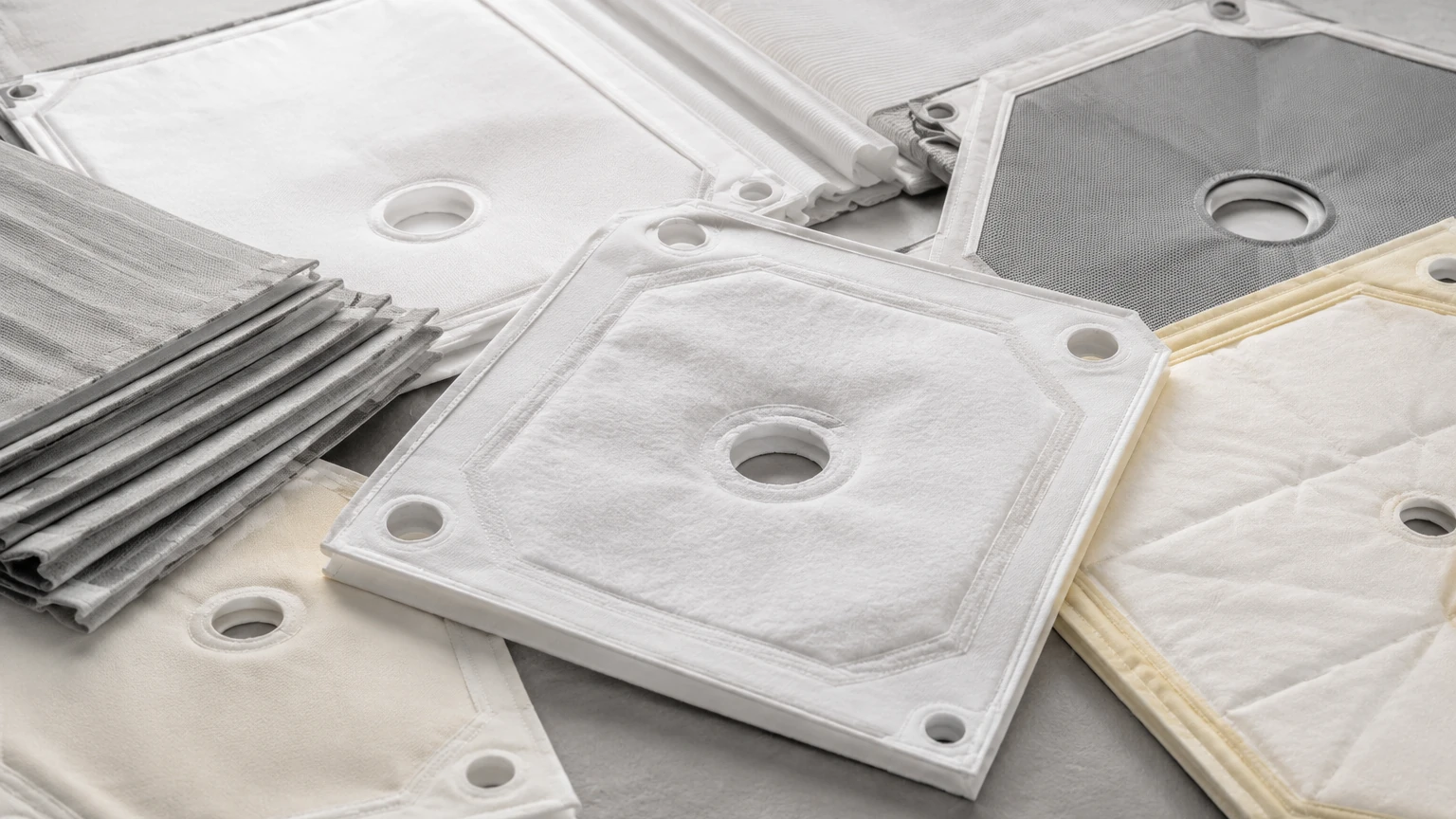
Filter press filters operate within a batch-process system designed to separate solids from liquids under high pressure. The process begins when a slurry is pumped into the chambers formed between the filter plates. As the chambers fill, the liquid (filtrate) passes through the filter media, while the solids are retained, gradually forming a "filter cake."
From an engineering perspective, the filter media must perform two distinct roles. First, it must provide the initial barrier that captures particles while allowing the liquid to pass with minimal resistance. Second, it must act as a structural support for the developing filter cake. In many industrial applications, the cake itself becomes the primary filtering layer, but the initial bridge-building phase on the surface of the filter press filters is what determines the clarity of the filtrate and the ease of subsequent cake discharge.
Pressure differentials are a key factor here. As the cake thickness increases, the resistance to flow rises, requiring higher pump pressure to maintain the filtration rate. Metal filter media, particularly those manufactured from stainless steel wire mesh, offer superior mechanical stability under these fluctuating pressures compared to synthetic cloths, which may stretch or blind prematurely under heavy loads.
Material Selection: The Shift to Stainless Steel and Precision Alloys
While traditional filter presses often utilized polymer-based cloths, modern industrial requirements—especially in the chemical processing, pharmaceutical, and food sectors—increasingly demand the durability and inertness of stainless steel. Selecting the right alloy for filter press filters is a balance between corrosion resistance, mechanical strength, and cost-effectiveness.
Stainless Steel 304 and 316L
Stainless steel 304 is the standard for many general industrial applications due to its excellent strength and basic corrosion resistance. However, for environments involving chlorides or acidic solutions, 316L is the preferred choice. The addition of molybdenum in 316L provides enhanced resistance to pitting and crevice corrosion, which is vital in batch processes where residual slurry might sit in contact with the media between cycles.
High-Temperature Resilience
One of the primary advantages of metal filter press filters is their ability to operate at temperatures that would melt or degrade synthetic fibers. In petrochemical or specialized chemical synthesis, temperatures can exceed 200°C. Stainless steel components maintain their structural integrity and filtration accuracy at these extremes, ensuring consistent performance without the risk of media failure or process contamination.
Chemical Compatibility
Beyond temperature, the chemical nature of the slurry dictates material choice. Metal filters are non-shedding and do not react with most organic solvents, oils, or high-purity chemicals. This makes them ideal for pharmaceutical API (Active Pharmaceutical Ingredient) production, where maintaining the purity of the filtrate is non-negotiable.
Engineering Customization for Demanding Industrial Applications
No two industrial filtration processes are identical. Customization of filter press filters involves more than just sizing the media to fit the plate; it requires a deep dive into the weave patterns and structural reinforcements necessary for specific slurry types.
Weave Patterns and Pore Geometry
The geometry of the wire mesh determines the filtration accuracy and the flow rate. Plain weaves offer straight-through flow, while Dutch weaves (including reverse Dutch weaves) provide a more tortuous path, allowing for finer filtration ratings and higher mechanical strength. For filter press applications, the weave must be tight enough to prevent "bleeding" (fine particles passing through at the start of the cycle) but open enough to prevent rapid blinding.
Sintered Metal Mesh
For the most demanding high-pressure applications, sintered metal mesh is often employed. This process involves diffusion-bonding multiple layers of wire mesh together. The result is a highly stable, porous plate that combines a fine filtration layer with several support and drainage layers. These components are virtually incompressible, making them ideal for high-pressure filter presses where traditional media might collapse or distort.
Edge Treatments and Sealing
A critical engineering detail in filter press filters is the perimeter seal. To prevent bypass—where slurry leaks around the edges of the filter media—custom filters are often designed with reinforced edges, gaskets, or specialized welding. This ensures that 100% of the slurry is forced through the media, maximizing yield and protecting the filter plates from erosive wear caused by high-velocity bypass leaks.
Evaluating Filtration Efficiency and Micron Ratings
When specifying filter press filters, engineers must distinguish between nominal and absolute micron ratings. A nominal rating indicates the ability of the filter to retain a majority of particles of a certain size, whereas an absolute rating guarantees the retention of all particles above a specific dimension.
Permeability and Flux Rates
Filtration efficiency is not just about what is caught, but how fast the liquid passes through. High-quality wire mesh filters are engineered to maximize open area while maintaining a specific pore size. This balance is crucial for maintaining high flux rates (volume of filtrate per unit area per unit time). In a B2B manufacturing context, higher flux rates translate directly to shorter cycle times and increased plant throughput.
Cake Release Properties
A common bottleneck in filter press operation is the difficulty of removing the filter cake after the cycle is complete. If the cake sticks to the media, it requires manual scraping, which increases downtime and risks damaging the filter. Metal filters can be surface-treated or manufactured with specific weave characteristics that promote clean cake release. The smooth surface of stainless steel wire mesh generally offers superior release properties compared to the fibrous, textured surface of needle-felt or woven cloths.
Operational Longevity and Maintenance Protocols
The total cost of ownership (TCO) for filter press filters is heavily influenced by their service life and the ease of maintenance. While metal filters have a higher initial capital cost than synthetic media, their longevity often results in a lower cost per gallon of filtrate processed.
Cleaning and Regeneration
Unlike disposable or short-lived fabric filters, stainless steel filter press filters are designed to be cleaned and reused. Maintenance protocols often include:
- Backwashing: Reversing the flow of clean filtrate to dislodge particles trapped within the mesh.
- Chemical Cleaning: Using specialized solvents or acids that dissolve the specific foulants without affecting the stainless steel.
- Ultrasonic Cleaning: For deep-seated particulates, ultrasonic baths can restore the permeability of the mesh to near-original levels.
Durability and Replacement Cycles
In many industrial environments, fabric filters may need replacement every few weeks due to tearing, blinding, or chemical degradation. In contrast, a well-maintained stainless steel filter can last for years. This reliability reduces the frequency of system shutdowns and the labor costs associated with media change-outs. Engineers should evaluate the "break-even" point where the durability of metal components outweighs the lower unit cost of synthetics.
Conclusion: Selecting the Right Partner for Filtration Solutions
Optimizing a filter press system requires a technical understanding of the relationship between the slurry characteristics, the mechanical limits of the press, and the engineering of the filter media. By moving toward high-performance metal filtration components, manufacturers can achieve greater process consistency, handle more aggressive environments, and reduce long-term operational costs.
When evaluating your next filtration project, it is essential to work with a manufacturer that understands the nuances of material science and custom engineering. For more information on specialized metal filtration components and to explore custom OEM solutions, visit the Main Page of Kaifil. Our expertise in stainless steel wire mesh and precision filter cartridges ensures that your industrial processes operate at peak efficiency with reliable, durable filtration hardware. Whether you are addressing challenges in chemical processing or seeking to optimize food-grade separation, the right filter press filters are the foundation of a successful operation.
