


Filter Seperator
In industrial fluid and gas processing, the integrity of downstream equipment and the purity of final products depend heavily on the efficiency of separation technologies. A filter seperator is a critical component designed to remove both solid contaminants and liquid entrainment from a process stream. Unlike a standard single-stage filter, which may only address particulates, a filter seperator utilizes a multi-stage approach to ensure that gases or liquids are free from impurities that could otherwise cause mechanical wear, chemical contamination, or process inefficiencies.
For engineers and procurement professionals, understanding the technical nuances of a filter seperator is essential for optimizing system performance and reducing the total cost of ownership. This guide explores the mechanical principles, material considerations, and application-specific requirements that define high-performance filtration and separation solutions.
The Mechanics of Industrial Filter Seperators
A filter seperator typically operates through a two-stage process housed within a single pressure vessel. The primary objective is to handle diverse contaminant loads, ranging from fine pipeline scale to aerosolized liquid droplets.
Stage One: Filtration and Coalescing
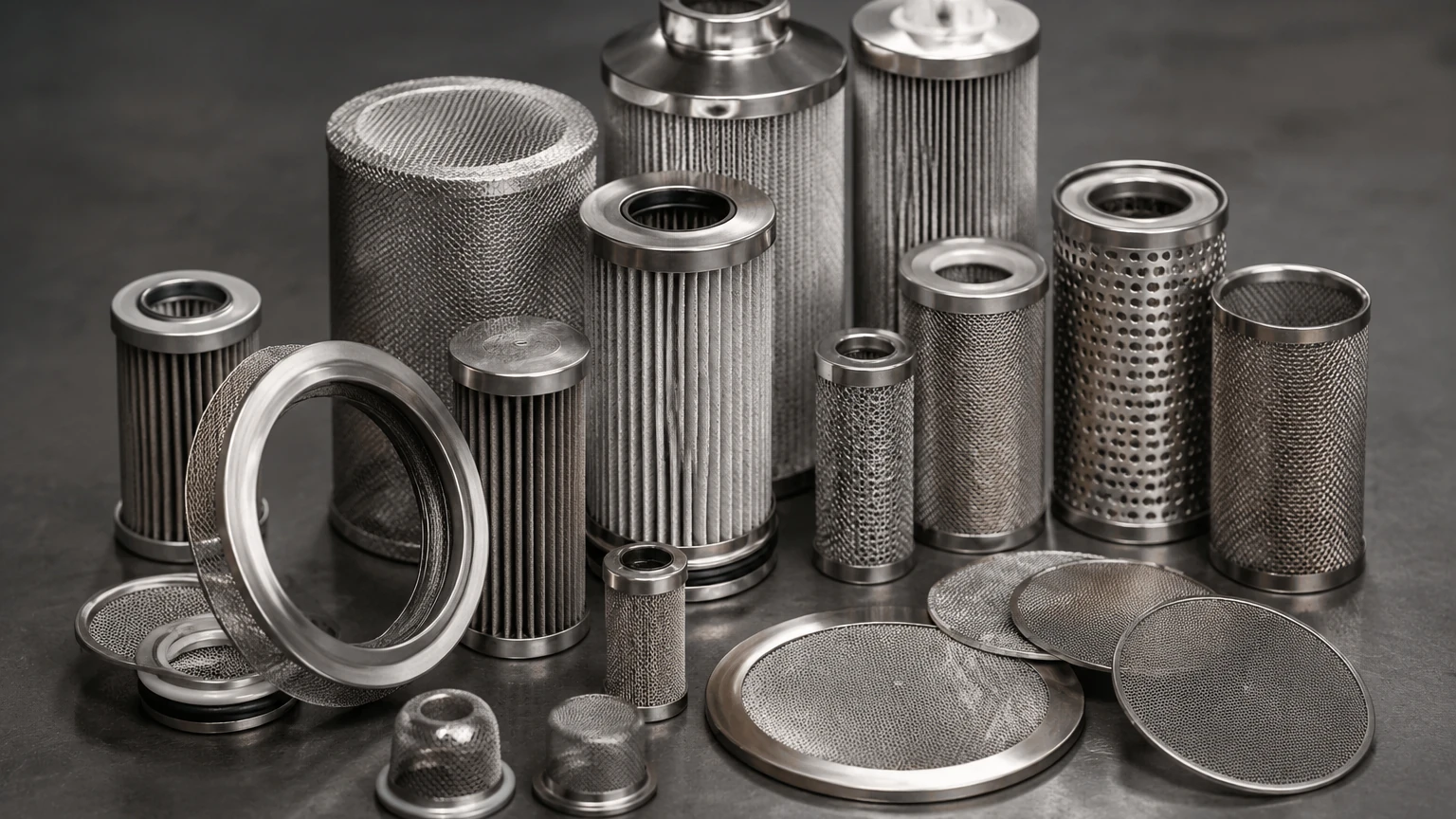
In the first stage, the process fluid passes through filter-coalescer elements. These elements are often constructed from high-grade stainless steel wire mesh or pleated metal media. As the fluid flows through the media, solid particles are trapped via mechanical straining, impingement, and interception. Simultaneously, small liquid droplets (aerosols) in the stream collide with the fibers of the filter media. Through the process of coalescence, these tiny droplets merge into larger, heavier drops that can be more easily separated in the subsequent stage.
Stage Two: Final Separation
Once the liquid droplets have reached a sufficient size, the fluid moves into the second stage. This area often contains a secondary separation device, such as a vane pack or a mist eliminator. The increased mass of the coalesced droplets allows gravity and centrifugal forces to take effect. The droplets fall out of the stream and collect in a sump or drainage area, while the clean, dry gas or liquid exits the vessel. For precision applications, the Main Page of a manufacturer’s technical catalog often provides detailed schematics on how these stages are configured for specific flow rates.
Material Selection for Demanding Environments
The longevity and reliability of a filter seperator are dictated by the materials used in its construction. In industries such as chemical processing, pharmaceuticals, and offshore oil and gas, the filtration media and housing must withstand corrosive environments and extreme temperatures.
Stainless Steel 304 and 316L
Stainless steel is the industry standard for high-performance filter components. Grade 304 offers excellent durability for general industrial use, while Grade 316L provides superior resistance to chlorides and acidic environments. Using stainless steel wire mesh ensures that the filter elements do not shed fibers into the process stream—a common failure point for synthetic or fiberglass media in high-pressure applications.
Structural Integrity and Pressure Ratings
Industrial separators must be engineered to comply with pressure vessel codes (such as ASME Section VIII). The choice of material affects not only corrosion resistance but also the ability of the filter seperator to maintain structural integrity under high differential pressures. For hydraulic systems or high-pressure gas pipelines, precision-welded stainless steel cartridges are preferred for their resistance to collapse and their ability to be cleaned and reused.
Key Performance Metrics for Engineers
When evaluating a filter seperator, engineers must look beyond simple micron ratings. Several technical parameters determine how the unit will perform under real-world operating conditions.
1. Filtration Efficiency (Micron Rating and Beta Ratio): It is vital to distinguish between nominal and absolute micron ratings. A filter seperator designed for critical pharmaceutical or semiconductor processes requires an absolute rating to ensure that 99.9% of particles above a certain size are captured.
2. Liquid Removal Efficiency: This is typically measured in terms of the percentage of liquid droplets removed at a specific flow rate. High-efficiency separators can remove 99% or more of liquid entrainment down to 0.3 to 1 micron.
3. Clean Pressure Drop ($ΔP$): The initial resistance to flow through the filter. A lower clean pressure drop means reduced energy consumption for pumps and compressors.
4. Dirt Holding Capacity: This defines how much solid contaminant the filter can retain before the pressure drop reaches a critical limit, signaling the need for maintenance or replacement.
Applications Across Industrial Sectors
The versatility of the filter seperator makes it indispensable across a wide range of sectors. Each application presents unique challenges regarding contaminant type and fluid chemistry.
Chemical and Petrochemical Processing
In chemical plants, filter separators protect expensive catalysts and compressors from liquid slugs and particulate matter. They are also used to recover valuable solvents from gas streams. The use of custom-engineered stainless steel components ensures that the filtration system can handle aggressive chemical reactions without degrading.
Food and Beverage Industry
Hygiene is the primary concern in food and beverage production. Filter separators are used to purify compressed air and steam used in direct contact with food products. Stainless steel construction is mandatory here to allow for Clean-in-Place (CIP) procedures and to prevent bacterial growth within the filter media.
Hydraulic and Lubrication Systems
Water is one of the most damaging contaminants in hydraulic oil. A filter seperator in a hydraulic circuit removes both wear particles and emulsified water, preventing component erosion and oil oxidation. This extends the life of valves, pumps, and the oil itself, significantly reducing maintenance downtime.
Customization and OEM Integration
Off-the-shelf filtration solutions often fail to meet the specific spatial or performance constraints of complex industrial systems. This is where custom OEM manufacturing becomes critical. A tailored filter seperator can be designed with specific inlet/outlet configurations, specialized mounting brackets, and unique media layers to target specific contaminants.
By working with a manufacturer that specializes in custom stainless steel filtration, engineers can specify the exact wire mesh weave, pleat density, and reinforcement structures needed for their application. This level of customization ensures that the filter seperator integrates seamlessly into existing infrastructure while providing optimized flow dynamics and filtration accuracy.
Maintenance and Operational Efficiency
The total cost of ownership for a filter seperator is heavily influenced by its maintenance requirements. While some systems use disposable elements, many industrial applications benefit from cleanable stainless steel cartridges.
Monitoring Differential Pressure
Operators should monitor the differential pressure across the filter seperator. A sudden increase in $ΔP$ usually indicates a high solid contaminant load, while a sudden decrease could suggest a breach in the filter media. Modern systems often incorporate automated sensors to alert maintenance teams when a cleaning cycle is required.
Cleaning vs. Replacement
Stainless steel filter elements can often be cleaned using ultrasonic baths, backwashing, or chemical cleaning. This not only reduces waste but also lowers long-term procurement costs. However, it is essential to confirm with the manufacturer the recommended cleaning protocols to avoid damaging the precision mesh structure.
Conclusion: Selecting the Right Solution
Choosing the correct filter seperator requires a comprehensive analysis of the process fluid, flow rates, temperature, and the nature of the contaminants. For engineers, the goal is to achieve a balance between high filtration efficiency and low operational resistance. By prioritizing high-quality materials like stainless steel and considering the benefits of custom-engineered solutions, industrial facilities can ensure the longevity of their equipment and the purity of their output.
For those looking to explore specific component designs or seeking technical support for unique filtration challenges, reviewing the Main Page of an experienced manufacturer is a recommended first step. Accessing detailed product specifications and engineering data allows for informed decision-making that supports both technical performance and budgetary goals in demanding industrial environments.
