


Filtro Autolimpiante Para Agua
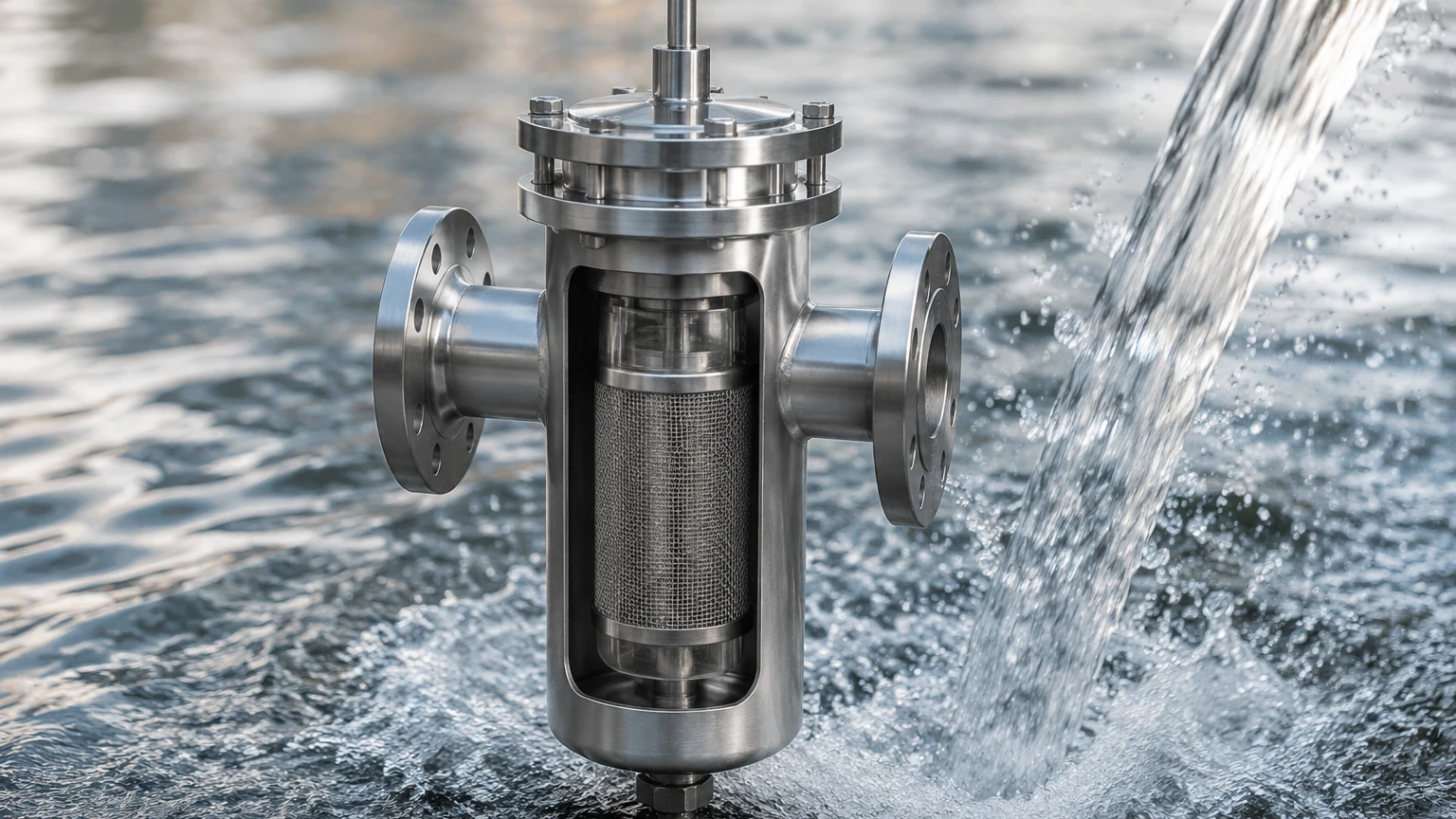
In the landscape of industrial water management, the demand for continuous operation and minimal downtime has made the automated filtration system a cornerstone of modern engineering. A filtro autolimpiante para agua, or self-cleaning water filter, represents a sophisticated solution designed to remove suspended solids from water sources without interrupting the flow of the process. For engineers and facility managers, understanding the technical nuances of these systems is essential for optimizing performance in sectors ranging from chemical processing to large-scale water treatment.
Industrial filtration is not merely about removing debris; it is about protecting downstream equipment, ensuring product purity, and maintaining system efficiency. As manual cleaning of filter elements often leads to significant labor costs and operational pauses, the transition to self-cleaning technology has become a standard for high-capacity industrial applications.
The Role of Self-Cleaning Filtration in Industrial Water Systems
The primary function of a filtro autolimpiante para agua is to provide a reliable barrier against contaminants while maintaining a consistent flow rate. In industrial environments, water is used for cooling, processing, cleaning, and as a raw material. Any interruption in water quality or quantity can lead to equipment damage, such as heat exchanger scaling or nozzle clogging, which results in expensive repairs and lost production time.
Unlike traditional bag or cartridge filters that require manual intervention once they reach their holding capacity, self-cleaning filters utilize internal mechanisms to clear the filter medium. This automation is typically triggered by differential pressure (ΔP) or a pre-set timer. By integrating these systems, facilities can achieve a "set-and-forget" filtration cycle that adapts to varying levels of source water turbidity.
Engineering Principles: How a Filtro Autolimpiante Para Agua Operates
To select the correct filtration technology, engineers must understand the mechanical principles that drive the self-cleaning process. While several designs exist, the most common industrial configurations include suction scanning, brush cleaning, and backwashing.
Suction Scanning Technology
Suction scanning is highly efficient for removing fine particles. A scanner moves across the internal surface of the filter screen, creating a localized high-velocity suction effect. This suction draws the accumulated debris off the screen and out through a flush valve. Because the scanner only covers a small portion of the screen at any given time, the main flow of water to the facility continues uninterrupted.
Mechanical Brush Systems
In systems dealing with heavier or more adhesive solids, a mechanical brush system is often preferred. Stainless steel brushes rotate against the inner surface of the filter element, physically dislodging particles. This is particularly effective in applications involving organic matter or cooling tower water where biofilm and larger debris are common.
Backwash Mechanisms
Backwash filters operate by reversing the flow of water through a portion of the filter media. This reversal flushes out trapped particles. In multi-element systems, one element can be backwashed using the filtered output of the other elements, ensuring that the overall system output remains constant. For more information on various configurations and technical specifications, you can visit the Main Page of our filtration resource center.
Material Selection and Durability: The Stainless Steel Advantage
The longevity and reliability of a filtro autolimpiante para agua are heavily dependent on the materials used in its construction. In industrial B2B contexts, stainless steel is the gold standard due to its mechanical strength and chemical resistance.
Stainless Steel 304 and 316L
Most industrial filter housings and internal elements are fabricated from Grade 304 or 316L stainless steel. Grade 304 provides excellent service for general water applications, while 316L, containing molybdenum, offers superior resistance to chlorides and acids. This is critical in pharmaceutical and chemical applications where the water may have corrosive properties or where the cleaning chemicals used in the system are aggressive.
Wedge Wire vs. Woven Mesh
The choice of the filter element itself—the heart of the filtro autolimpiante para agua—is a critical engineering decision.
- Wedge Wire: These elements are constructed from V-shaped profiles welded onto support rods. They are extremely robust, resistant to clogging, and easy to clean due to the widening gap between the wires. They are ideal for high-pressure applications and heavy solid loads.
- Sintered Mesh: For finer filtration requirements (down to 1-5 microns), multi-layer sintered wire mesh provides a stable and precise pore size. Sintering bonds the layers of mesh together, preventing wire migration and ensuring consistent performance under fluctuating pressures.
Technical Selection Criteria for Engineers
When specifying a filtro autolimpiante para agua, purchasing teams and engineers should evaluate several key parameters to ensure the system meets the application's specific needs.
1. Filtration Accuracy (Micron Rating): Determine the smallest particle size that must be removed. Over-filtering (selecting a micron rating much smaller than necessary) can lead to excessive cleaning cycles and unnecessary pressure drops.
2. Flow Rate (m³/h or GPM): The system must be sized to handle the peak flow requirements of the facility without exceeding the maximum velocity limits of the filter media.
3. Operating Pressure: Standard industrial filters are designed for specific pressure ranges. High-pressure environments (above 10 bar) require reinforced housings and specialized sealing components.
4. Nature of Contaminants: Are the solids hard (sand, scale) or soft (algae, oils)? Soft, deformable particles may require different cleaning mechanisms than abrasive mineral solids.
5. Temperature Limits: High-temperature processes in the food and beverage or chemical industries require gaskets and electronic sensors capable of withstanding thermal stress.
Applications Across Industrial Sectors
The versatility of the filtro autolimpiante para agua allows it to serve various critical roles across multiple industries:
Chemical and Petrochemical Processing
In these environments, water is often used for cooling reactors or as a solvent. Filtration prevents the buildup of sediment in sensitive instrumentation and heat exchangers, maintaining thermal efficiency and safety.
Food and Beverage Industry
Water quality is paramount for both product consistency and hygiene. Self-cleaning filters are used to treat incoming process water, ensuring it is free from particulates that could affect the final product or damage bottling equipment. Stainless steel construction ensures compliance with strict sanitary standards.
Power Generation and Cooling Towers
Cooling towers are prone to collecting atmospheric dust and developing biological growth. A self-cleaning system continuously removes these solids, preventing the "packing" of the tower and reducing the need for chemical biocides by removing the organic matter that feeds bacterial growth.
Pharmaceutical Manufacturing
Precision is the defining characteristic of pharmaceutical filtration. Custom stainless steel filter cartridges within a self-cleaning housing provide the necessary reliability for pre-filtration stages, protecting expensive membrane filters used in downstream purification.
Maintenance and Total Cost of Ownership (TCO)
While the initial capital expenditure for a filtro autolimpiante para agua may be higher than that of a manual filter, the Total Cost of Ownership (TCO) is significantly lower.
Reduced Labor and Disposal Costs
Manual filters require staff to stop the process, open the housing, and replace or clean the elements. This involves labor costs and, in the case of disposable cartridges or bags, significant waste disposal costs. An automated system eliminates these recurring expenses.
Water Conservation
Modern self-cleaning filters are designed to minimize the amount of water used during the flush cycle. By only cleaning when necessary (triggered by ΔP), the system conserves water and reduces the volume of wastewater that must be treated or discharged.
Component Longevity
Because the filter element is cleaned regularly and automatically, it is less likely to suffer from "blinding" or permanent clogging caused by compacted debris. This extends the life of the stainless steel elements, often allowing them to serve for several years before requiring replacement.
Customization and OEM Solutions in Filtration
No two industrial applications are identical. Factors such as footprint constraints, specific chemical exposures, and integration with existing SCADA (Supervisory Control and Data Acquisition) systems necessitate customized filtration solutions.
Manufacturers like Kaifil specialize in providing OEM and customized filtration components that fit into these complex systems. Whether it is a specific mesh geometry for a unique particulate type or a custom-designed housing for a high-pressure hydraulic circuit, working with a manufacturer that understands the metallurgy and fluid dynamics of filtration is vital. Customization ensures that the filtro autolimpiante para agua is not just an add-on, but a fully integrated component of the industrial process.
Conclusion: Making an Informed Decision
Selecting a filtro autolimpiante para agua is a strategic investment in a facility's operational stability. By focusing on high-quality materials like stainless steel, understanding the mechanical cleaning requirements of the specific fluid, and considering the long-term savings in labor and water, engineers can implement a solution that enhances productivity.
When evaluating potential filtration partners, it is important to confirm their ability to provide technical support, material certifications, and customization options. A well-engineered filtration system does more than just clean water; it protects the integrity of the entire industrial operation. For a deeper look at available technologies and to find the right fit for your specific application, reviewing the comprehensive product options on our Main Page is a recommended next step for any technical purchasing team.
