


Filtro Para Vapor
In industrial environments, steam is often referred to as the lifeblood of the facility. It is used for heating, sterilization, propulsion, and as a direct ingredient in various chemical and food processes. However, steam is rarely pure. As it travels from the boiler through carbon steel piping, it picks up contaminants such as pipe scale, rust, and debris. This is where the implementation of a high-quality filtro para vapor (steam filter) becomes critical. For engineers and facility managers, selecting the right filtration system is not just about protecting the final product; it is about ensuring the longevity of downstream equipment like control valves, heat exchangers, and flow meters.
Industrial steam filtration requires a deep understanding of thermal dynamics, material science, and fluid mechanics. Unlike liquid filtration, steam filtration involves high temperatures, high velocities, and the constant presence of moisture. At Kaifil, we specialize in providing the technical expertise and custom manufacturing capabilities needed to address these challenges. To explore our full range of industrial solutions, you can visit our Main Page.
The Necessity of Steam Filtration in Industrial Processes
Steam is generated by boiling water, but the process of transporting that steam introduces several variables that can compromise its quality. The primary goal of a filtro para vapor is to remove solid particles that can cause mechanical wear or biological contamination. Contaminants in steam systems typically fall into three categories: macro-particles (rust and scale), micro-particles (fine debris), and chemical carryover from boiler water treatment.
Without adequate filtration, these particles act as abrasives. When traveling at high velocities—often exceeding 25 to 35 meters per second—even small particles of rust can erode valve seats and plug the small orifices of steam traps. This leads to "steam hammer," energy loss, and frequent system downtime. In industries such as food and beverage or pharmaceuticals, the stakes are even higher. Here, steam often comes into direct contact with the product, meaning any impurity in the steam becomes an impurity in the final consumer good.
Classifying Steam Quality and Filtration Requirements
To select the appropriate filtro para vapor, engineers must first identify the grade of steam required for their specific application. Not all steam is created equal, and the filtration strategy must reflect the required purity level.
1. Process Steam
Process steam is generally used for indirect heating applications, such as in jackets for kettles or heat exchangers. The primary concern here is protecting the equipment. Filtration for process steam typically targets particles in the 5 to 25-micron range. The goal is to prevent the buildup of scale that reduces heat transfer efficiency and to protect expensive control valves from erosion.
2. Culinary Steam
Culinary steam is used where the steam will come into direct contact with food products or food-contact surfaces. This grade of steam must meet specific regulatory standards, such as the 3-A Sanitary Standards in the United States or equivalent international guidelines. A filtro para vapor for culinary applications must be capable of removing 95% of particles larger than 2 microns. Furthermore, the filter housing and the element itself must be constructed from materials that do not leach chemicals or odors into the steam.
3. Pure or Sanitary Steam
Pure steam is used in the pharmaceutical and biotech industries for Sterilization-in-Place (SIP) and for autoclaves. This steam is produced from deionized or distilled water and requires the highest level of filtration, often utilizing sintered stainless steel elements that provide absolute filtration ratings. The focus here is on ensuring that the steam is free from pyrogens and any particulate matter that could compromise sterile environments.
Technical Specifications of a High-Performance Filtro Para Vapor
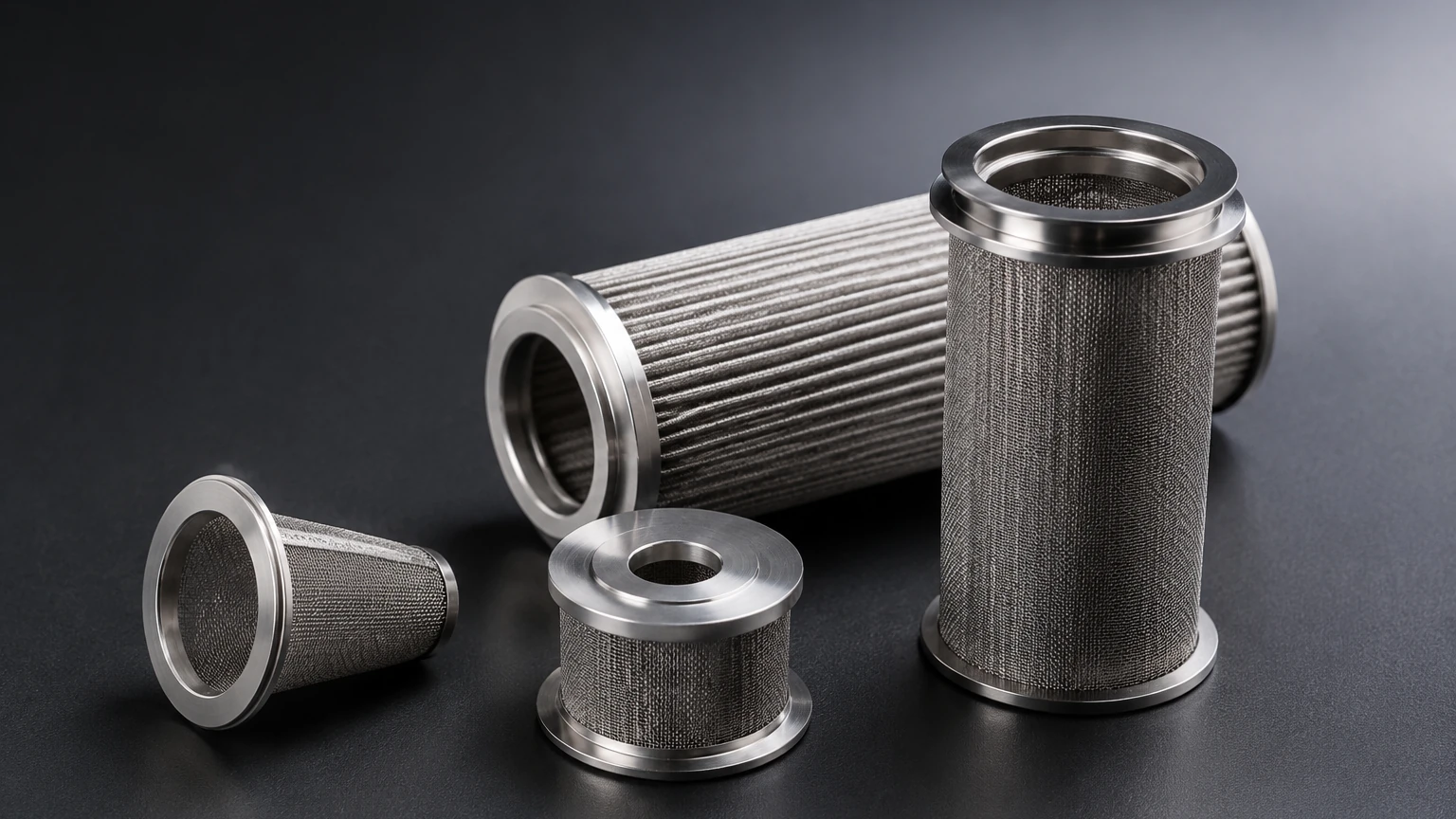
When evaluating a filtro para vapor, the material of construction is the most important factor. Due to the high temperatures and corrosive nature of steam, stainless steel is the industry standard. Specifically, 304 and 316L stainless steel are preferred for their resistance to oxidation and thermal stress.
Sintered Metal Media vs. Pleated Mesh
There are two primary types of stainless steel filter elements used in steam applications:
* Sintered Metal Powder: These elements are created by fusing stainless steel powder together under heat and pressure. The result is a porous, rigid structure that offers exceptional mechanical strength and a high dirt-holding capacity. Sintered elements are ideal for high-pressure applications and can be cleaned and reused multiple times.
* Pleated Wire Mesh: These filters use multiple layers of woven stainless steel mesh that are pleated to increase the surface area. This design allows for higher flow rates with a lower initial pressure drop. Pleated mesh is often used in applications where high volumes of steam must be filtered quickly without significant energy loss.
Temperature and Pressure Ratings
A robust filtro para vapor must be rated for temperatures exceeding the saturation temperature of the steam being used. For most industrial applications, this means the filter should comfortably handle 200°C (392°F) or higher. Additionally, the housing must be designed to withstand the maximum operating pressure of the steam line, often requiring compliance with ASME or PED pressure vessel codes.
Engineering Considerations: Sizing and Pressure Drop
One of the most common mistakes in steam system design is undersizing the filter. An undersized filtro para vapor will result in an excessive pressure drop, which reduces the energy available for the process and increases the velocity of the steam through the filter media. High velocity can lead to "media migration," where particles are forced through the filter, or the filter element itself is damaged.
Calculating Flow Velocity
Engineers should aim for a steam velocity through the filter housing of approximately 20 to 30 meters per second. If the velocity is too high, the kinetic energy of the steam can cause erosion of the filter element. Conversely, if the velocity is too low, the filter housing may act as a condensate trap, leading to water logging and potential microbial growth.
Delta P (Differential Pressure)
The differential pressure (ΔP) is the difference in pressure between the inlet and the outlet of the filter. A clean steam filter should typically have an initial ΔP of less than 1-2 psi (0.07-0.14 bar). As the filter accumulates debris, the ΔP will increase. It is standard engineering practice to replace or clean the filter element once the ΔP reaches 10 psi (0.7 bar). Monitoring this through differential pressure gauges is essential for maintaining system efficiency.
Installation and Maintenance Protocols for Longevity
The performance of a filtro para vapor is heavily dependent on how it is installed. Steam systems are prone to "slugs" of condensate—liquid water that travels at high speeds through the pipes. If a slug of water hits a filter element, it can cause catastrophic mechanical failure.
Proper Placement
To protect the filter, a steam trap and a Y-strainer should always be installed upstream of the filtro para vapor. The Y-strainer (typically 100 mesh) removes large chunks of scale, while the steam trap ensures that only dry steam enters the filter housing. This configuration significantly extends the life of the fine filtration element.
Cleaning and Regeneration
One of the primary advantages of using stainless steel filtration components from a manufacturer like Kaifil is that they are cleanable. Unlike disposable polymer filters, a stainless steel filtro para vapor can be regenerated using several methods:
1. Ultrasonic Cleaning: This is the most effective method for removing fine particles trapped deep within the pores of sintered metal.
2. Backwashing: Reversing the flow of clean fluid through the filter to dislodge surface contaminants.
3. Chemical Cleaning: Using mild acids or detergents to dissolve scale or organic deposits, followed by thorough rinsing.
Regular maintenance cycles should be established based on the quality of the incoming steam and the criticality of the process. In many food and beverage plants, filter elements are removed and cleaned every 3 to 6 months to ensure compliance with hygiene standards.
The Economic Impact of Reusable Stainless Steel Elements
While the initial investment in a stainless steel filtro para vapor and housing is higher than disposable alternatives, the total cost of ownership (TCO) is significantly lower. Disposable filters must be replaced frequently, leading to ongoing procurement costs, disposal fees, and labor expenses. Furthermore, the risk of a disposable filter melting or shedding fibers into the steam line can lead to incredibly expensive product recalls or equipment damage.
By choosing high-quality metal filtration, companies benefit from:
* Reduced Downtime: Stainless steel elements are durable and less prone to sudden failure.
* Sustainability: Reusable filters reduce the environmental footprint of the facility by minimizing waste.
* Process Consistency: Metal filters maintain their pore structure under pressure, ensuring consistent filtration performance over time.
Conclusion: Selecting the Right Partner for Steam Filtration
Selecting a filtro para vapor is a technical decision that requires balancing filtration efficiency, flow requirements, and material compatibility. Whether you are designing a new steam system for a pharmaceutical plant or upgrading the filtration in a food processing facility, the quality of the filter element will directly impact your operational efficiency.
At Kaifil, we understand the rigorous demands of industrial filtration. Our expertise in custom stainless steel wire mesh and sintered metal components allows us to provide solutions that are tailored to the specific needs of your application. By focusing on precision engineering and durable materials, we help our clients achieve reliable, high-performance filtration that stands the test of time.
For technical assistance, custom designs, or to view our full product catalog, we invite you to explore our Main Page. Our team of experts is ready to help you optimize your steam system and ensure the highest levels of purity and protection for your industrial processes.
