


Filtros Autolimpiantes
In modern industrial processing, the efficiency of filtration systems directly impacts production uptime, product quality, and operational safety. Among the various technologies available, filtros autolimpiantes (self-cleaning filters) have emerged as a critical solution for industries requiring continuous operation without the frequent interruptions associated with manual filter replacement or cleaning. These systems are designed to remove suspended solids from liquid streams automatically, utilizing mechanical or hydraulic mechanisms to clear the filter element while the process remains online.
For engineers and procurement teams, understanding the technical nuances of these systems is essential for optimizing fluid handling in sectors ranging from chemical processing to food and beverage production. This guide examines the engineering principles, material considerations, and selection criteria for high-performance self-cleaning filtration solutions.
The Mechanics of Self-Cleaning Filtration Systems
The primary advantage of filtros autolimpiantes is their ability to maintain a consistent flow rate and pressure drop by addressing the accumulation of contaminants in real-time. Unlike traditional basket strainers or cartridge filters that require manual intervention once they reach a specific differential pressure, self-cleaning systems trigger a cleaning cycle based on pre-set parameters.
Mechanical Scraper Systems
Mechanical cleaning is often preferred for highly viscous fluids or applications with a high concentration of sticky solids. In this design, a scraper blade or brush moves across the surface of the filter element—typically a wedge wire screen or a perforated metal plate. As the scraper moves, it dislodges the "filter cake" or accumulated debris, which then settles into a collection chamber at the bottom of the housing. This debris is periodically purged through a flush valve without stopping the main flow.
Backwash Systems
Backwash systems utilize a portion of the filtered fluid (or an external clean fluid source) to flush the filter element in the reverse direction. When the differential pressure sensor detects a specific threshold, a nozzle or backwash arm aligns with the filter segments. The pressure difference between the internal system and the atmospheric pressure at the drain causes a high-velocity reverse flow that lifts particles off the mesh. This method is highly effective for water-treatment applications and low-viscosity fluids where particles are non-fibrous.
Key Engineering Considerations for Selection
Selecting the appropriate filtration system requires a detailed analysis of the fluid dynamics and the nature of the contaminants. Engineers must look beyond simple micron ratings to ensure the longevity of the equipment and the purity of the end product.
Micron Rating and Particle Distribution
The micron rating defines the size of particles the filter is intended to capture. However, in industrial filtration, it is equally important to understand the particle size distribution (PSD). If a fluid contains a high volume of particles just slightly larger than the micron rating, the filter may require more frequent cleaning cycles. For precision applications, stainless steel wire mesh or wedge wire elements provide the necessary structural integrity to maintain accurate filtration gaps under high pressure.
Flow Rate and Flux Velocity
The flow rate (measured in m³/h or GPM) determines the size of the filter housing and the surface area of the filter element. Flux velocity—the speed at which the fluid passes through the filter media—must be carefully managed. Excessive velocity can force deformable particles through the mesh or cause premature wear on the filter surface. On the Main Page of technical filtration resources, engineers can often find data regarding the relationship between surface area and flow optimization.
Fluid Viscosity and Temperature
Viscosity significantly impacts the pressure drop across the filter. High-viscosity fluids (such as oils, resins, or syrups) require larger filtration surfaces and more robust mechanical cleaning mechanisms. Temperature also plays a role, as it affects fluid viscosity and dictates the type of seals and gaskets (such as EPDM, Viton, or PTFE) required to prevent leaks and maintain system integrity.
Material Integrity: The Role of Stainless Steel
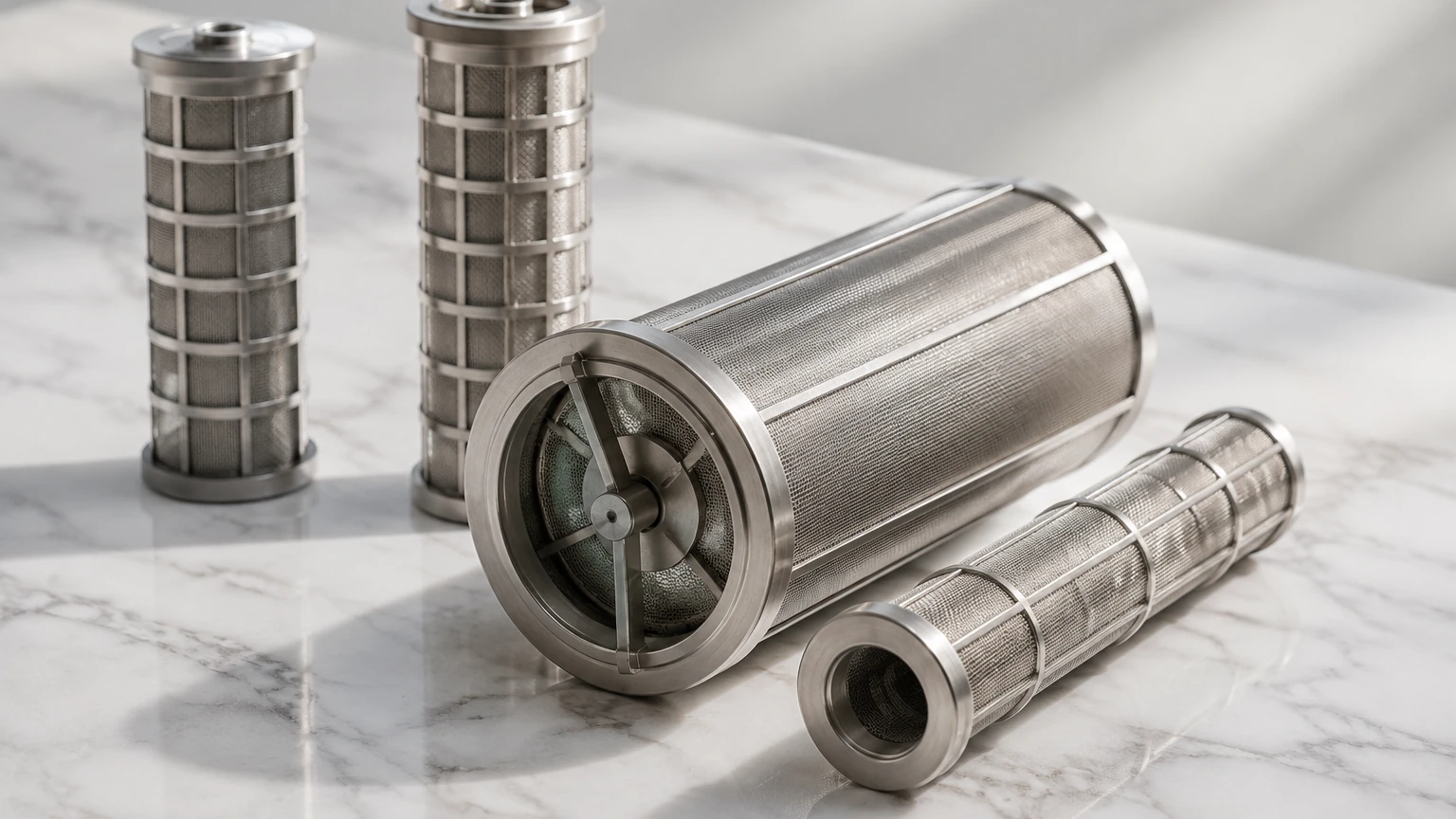
In demanding industrial environments, the material of construction is a non-negotiable factor. Filtros autolimpiantes are predominantly constructed from stainless steel due to its mechanical strength and resistance to corrosion and thermal shock.
1. SS304: Suitable for general industrial applications, including cooling water filtration and non-corrosive chemical processing. It offers good strength and cost-effectiveness.
2. SS316L: The industry standard for pharmaceutical, food and beverage, and marine applications. The addition of molybdenum and a lower carbon content provides superior resistance to chlorides and organic acids, ensuring that the filter does not contaminate the process fluid.
3. Specialty Alloys: For highly aggressive environments, such as those involving concentrated acids or high-salinity brine, duplex stainless steel or Hastelloy components may be integrated into the filter elements to prevent pitting and stress corrosion cracking.
At Kaifil, the focus remains on providing precision-engineered stainless steel components that meet these rigorous material standards, ensuring that every filter element can withstand the repetitive stresses of the self-cleaning cycle.
Applications Across Industrial Sectors
The versatility of filtros autolimpiantes allows them to be integrated into diverse production lines. Each industry presents unique challenges that dictate the design of the filtration system.
Chemical and Petrochemical Processing
In chemical plants, filtration systems must handle aggressive solvents and high temperatures. Self-cleaning filters are used to protect downstream equipment like heat exchangers and spray nozzles from particulate damage. Because the system is enclosed and automated, it minimizes operator exposure to hazardous chemicals, enhancing facility safety.
Food and Beverage Production
Hygiene is the priority in food processing. Filters used here must feature sanitary designs, often including polished surfaces (Ra < 0.8 µm) to prevent bacterial growth. These systems are used to clarify juices, filter chocolate, or remove impurities from cooking oils. The ability to clean the filter in place (CIP) without disassembly is a significant operational advantage.
Water Treatment and Power Generation
From cooling towers to wastewater reclamation, self-cleaning filters manage large volumes of water containing sand, algae, and scale. By preventing the buildup of solids, these filters maintain the efficiency of cooling systems and protect sensitive membranes in reverse osmosis (RO) units.
Maintenance, Performance, and Total Cost of Ownership
While the initial capital expenditure for filtros autolimpiantes is higher than that of manual bag or cartridge filters, the Total Cost of Ownership (TCO) is often significantly lower.
Reduced Labor and Disposal Costs
Manual filters require personnel to stop the process, open the housing, replace the media, and dispose of the contaminated waste. In high-load applications, this can happen several times per shift. Automatic systems eliminate the labor cost associated with these tasks and drastically reduce the volume of consumable waste, as the metal filter elements are permanent and designed for years of service.
Consistent Process Pressure
A manual filter's performance degrades as it clogs, leading to fluctuating flow rates and pressure drops. An automated system maintains a "steady state" of operation. By keeping the differential pressure within a narrow range, the system ensures that pumps and other downstream components operate at their peak efficiency, reducing energy consumption.
Replacement Cycles
Although the filter elements in self-cleaning systems are durable, they are not indestructible. Regular inspection of the scraper blades and the integrity of the wire mesh is necessary. Depending on the abrasiveness of the contaminants, elements may need refurbishment or replacement every few years. Engineers should ensure they have a reliable source for custom-sized replacement elements to avoid long lead times during scheduled maintenance.
Customization and OEM Solutions
No two industrial processes are identical, which is why customization is a cornerstone of effective filtration. Off-the-shelf solutions may fail to account for specific piping layouts, unusual flow surges, or unique contaminant profiles.
Customization options for filtros autolimpiantes include:
* Custom Flange Configurations: Ensuring the filter housing fits perfectly into existing infrastructure (ANSI, DIN, or JIS standards).
* Tailored Micron Ratings: Manufacturing wedge wire or mesh elements to specific tolerances for unique separation requirements.
* Control Integration: Designing the automation logic to communicate with the plant’s central PLC (Programmable Logic Controller) via Modbus, Profibus, or other industrial protocols.
By working with a manufacturer that specializes in custom stainless steel filtration solutions, companies can develop OEM components that are specifically tuned to their machinery, ensuring maximum reliability and performance.
Conclusion: Optimizing Your Filtration Strategy
The implementation of filtros autolimpiantes represents a shift toward more sustainable, efficient, and safe industrial practices. By automating the removal of solids, facilities can achieve higher throughput and lower operational overhead. When evaluating these systems, engineers must prioritize material quality, precise engineering of the filter media, and the ability to customize the solution to the specific demands of the application.
For those looking to explore high-performance filtration components and custom-engineered solutions, visiting the Main Page provides access to technical expertise and a wide range of stainless steel filtration products designed for the most demanding industrial environments. Proper selection today ensures a more resilient and cost-effective production process for years to come.
