


Flash Steam Tank
In industrial steam systems, energy efficiency and resource recovery are paramount to maintaining operational profitability and environmental compliance. A flash steam tank serves as a critical component in this process, acting as a specialized pressure vessel designed to recover low-pressure steam from high-pressure condensate. By effectively separating these phases, industrial facilities can reuse thermal energy that would otherwise be wasted, significantly reducing boiler fuel consumption and water treatment costs.
For engineers and procurement professionals, understanding the technical nuances of flash steam tank design, integration, and the associated filtration requirements is essential. This guide explores the thermodynamic principles of flash steam, engineering considerations for vessel selection, and the vital role of high-performance stainless steel filtration in protecting these systems from contaminants.
Understanding the Mechanics of Flash Steam Generation
The operation of a flash steam tank is rooted in the thermodynamic behavior of water under varying pressures. When high-pressure condensate—typically discharged from steam traps serving heat exchangers or process equipment—is released into a lower-pressure environment, its boiling point drops instantaneously. Because the condensate contains more sensible heat than it can hold at the lower pressure, the excess energy causes a portion of the liquid to "flash" into steam.
The amount of flash steam generated is determined by the enthalpy difference between the high-pressure and low-pressure states. The formula used by engineers to calculate the percentage of flash steam is:
% Flash Steam = (SH – SL) / H × 100
Where:
* SH is the sensible heat of the high-pressure condensate.
* SL is the sensible heat of the condensate at the lower pressure (flash pressure).
* H is the latent heat of evaporation at the lower pressure.
A flash steam tank provides the necessary volume and reduced velocity required for this separation to occur efficiently. Without a dedicated vessel, the high-velocity mixture of steam and water can lead to erosion, water hammer, and inefficient heat transfer in downstream equipment.
Engineering and Design Considerations for Flash Steam Tanks
Selecting or designing a flash steam tank requires a rigorous analysis of the system’s flow rates and pressure differentials. A poorly sized vessel can lead to "carryover," where water droplets are entrained in the steam flow, or excessive backpressure, which can impair the function of upstream steam traps.
Vessel Sizing and Velocity Control
To ensure dry steam is delivered to the low-pressure header, the upward velocity of the steam inside the tank must be kept low—typically below 3 meters per second (approx. 10 feet per second). This allows gravity to pull the heavier water droplets back down to the bottom of the tank while the lighter steam exits through the top. If the velocity is too high, the separation efficiency plummets, leading to wet steam that can damage turbines or foul heat exchangers.
Material Selection and Durability
While carbon steel is often used for standard applications, stainless steel is increasingly preferred in high-performance or corrosive environments. Stainless steel flash steam tanks and internal components offer superior resistance to carbonic acid corrosion—a common issue in steam systems where CO2 dissolves into the condensate. For pharmaceutical or food and beverage applications, 316L stainless steel is the industry standard due to its resistance to pitting and its ability to withstand rigorous cleaning protocols.
Pressure Ratings and Compliance
As pressure vessels, flash steam tanks must be designed and manufactured in accordance with relevant standards, such as the ASME Boiler and Pressure Vessel Code (Section VIII). Engineers must confirm that the design pressure of the tank exceeds the maximum possible pressure of the high-pressure condensate source to prevent catastrophic failure in the event of a downstream blockage.
The Critical Role of Filtration in Steam Recovery Systems
While the flash steam tank handles the physical separation of phases, the quality of the recovered steam and the longevity of the vessel depend heavily on effective filtration. Steam systems are inherently prone to contamination from several sources:
1. Pipe Scale and Rust: Older piping systems often shed iron oxide (magnetite), which can act as an abrasive, wearing down valve seats and tank internals.
2. Boiler Carryover: Chemical additives and dissolved solids from the boiler can be carried over into the steam, leading to deposits inside the flash tank.
3. Process Contamination: In some heat exchange applications, a leak in the process side can introduce oils, chemicals, or particulates into the condensate return line.
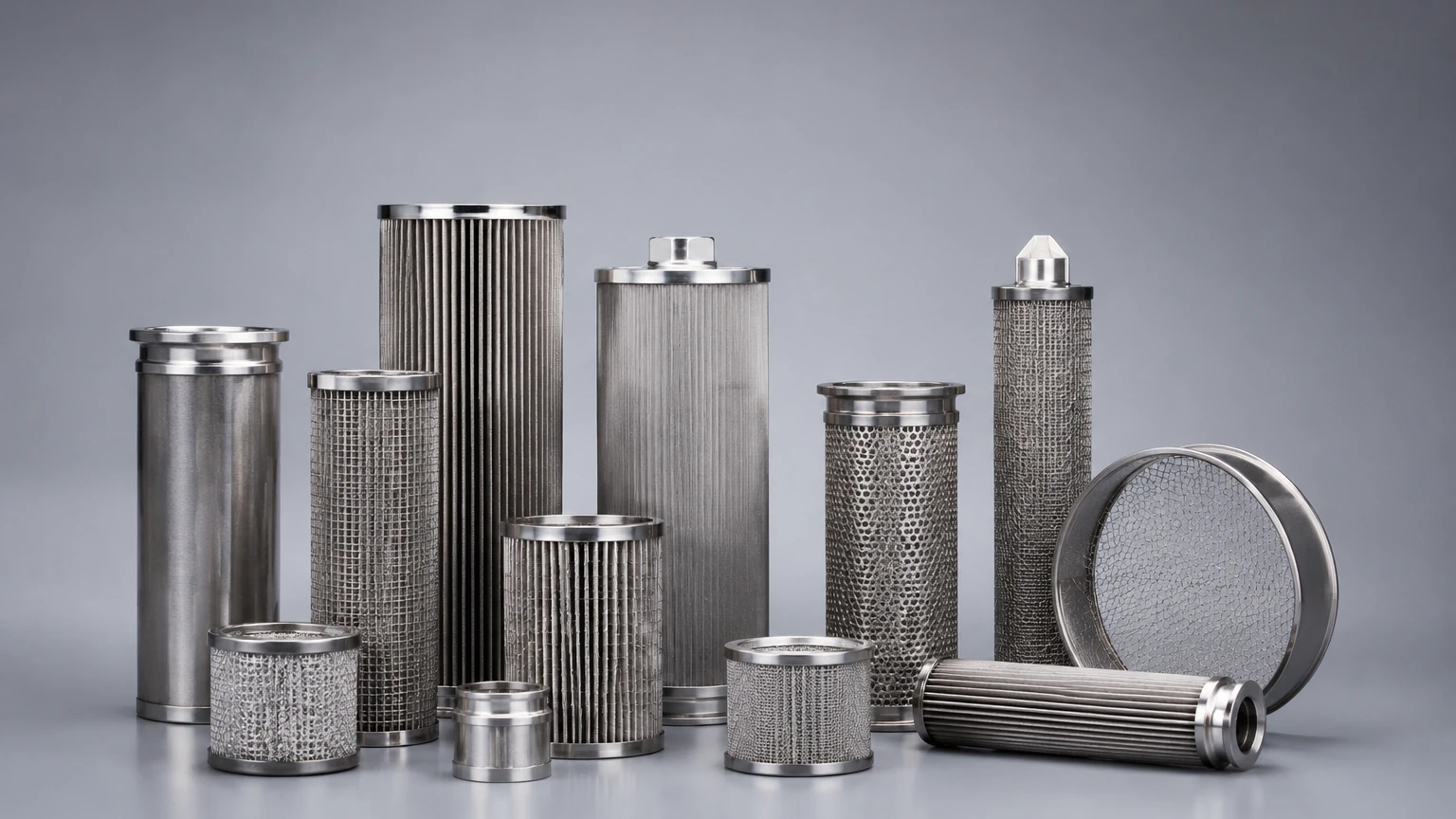
Integrating high-quality filtration components, such as those provided by Main Page, is essential to mitigate these risks. Stainless steel wire mesh filters and sintered metal elements are particularly effective in steam environments because they can withstand the high temperatures and pressures without degrading or shedding fibers.
By installing a filter upstream of the flash steam tank or at the steam exit, operators can ensure that the recovered energy is clean and safe for reuse in sensitive processes. This not only protects the tank but also prevents the fouling of low-pressure control valves and heat exchangers further down the line.
Selecting the Right Filtration Components for Steam Applications
When specifying filtration for a system involving a flash steam tank, engineers must balance filtration accuracy with pressure drop. A filter that is too fine may clog rapidly, causing a pressure buildup that disrupts the flashing process, while a filter that is too coarse will fail to protect downstream components.
Micron Ratings and Steam Quality
For general industrial steam, a filtration level of 25 to 50 microns is often sufficient to remove the bulk of pipe scale and debris. However, for culinary steam or pharmaceutical-grade applications, much finer filtration—often down to 1 or 5 microns—is required. Sintered stainless steel filter cartridges are the preferred choice for these high-precision requirements due to their rigid structure and high dirt-holding capacity.
Thermal and Chemical Compatibility
Steam applications involve constant thermal cycling. Filtration elements must be constructed using materials that have similar thermal expansion coefficients to the housing to prevent bypass. 304 and 316L stainless steel are the materials of choice, offering the necessary mechanical strength at temperatures exceeding 200°C (392°F). Furthermore, these materials are resistant to the chemical cleaners often used to descale steam systems.
Cleanability and Maintenance
One of the primary advantages of stainless steel filtration in a flash steam system is cleanability. Unlike disposable filters, stainless steel mesh and sintered elements can be cleaned via backwashing or ultrasonic cleaning, significantly reducing the total cost of ownership (TCO) and minimizing waste.
Operational Challenges and Maintenance Best Practices
To maintain the efficiency of a flash steam tank, a regular maintenance schedule must be established. Neglecting the system can lead to energy losses that far outweigh the cost of maintenance.
* Monitoring Differential Pressure: Filters should be equipped with differential pressure gauges. A sudden increase in pressure drop across the filter indicates that the element is loaded with contaminants and requires cleaning or replacement.
* Inspecting the Steam Trap: The flash steam tank itself requires a steam trap at the bottom to discharge the remaining low-pressure condensate. If this trap fails in the closed position, the tank will flood, resulting in water carryover into the steam line. If it fails open, valuable steam will be lost to the drain or return line.
* Insulation Maintenance: To maximize energy recovery, the flash steam tank and all associated piping must be properly insulated. Even a small area of uninsulated surface can lead to significant radiant heat loss, reducing the quality of the flash steam.
Customization and OEM Integration in Industrial Steam Systems
Every industrial facility has unique requirements based on their specific steam load and process variables. Custom-engineered flash steam tanks and filtration solutions allow for optimized performance that off-the-shelf components may not provide.
Manufacturers like Kaifil specialize in developing custom stainless steel filtration components that can be integrated directly into steam recovery skids. Whether it is a custom-sized wire mesh strainer for a high-flow condensate line or a precision-engineered filter housing for a low-pressure steam header, customization ensures that the filtration system matches the specific flow dynamics of the flash steam tank.
When working with a manufacturer, engineers should provide detailed data regarding:
* Maximum and minimum condensate flow rates.
* Operating and design pressures for both high and low-pressure sides.
* Desired steam dryness fraction.
* Specific contaminant types known to exist in the system.
Conclusion: Optimizing Steam Recovery for Long-Term Performance
The flash steam tank is an indispensable tool for any facility looking to optimize its steam system and reduce energy expenditures. By capturing and repurposing the energy in high-pressure condensate, companies can achieve a rapid return on investment. However, the success of these systems depends on more than just the vessel itself; it requires a holistic approach that includes precise engineering, robust material selection, and high-performance filtration.
Protecting the flash steam tank and downstream equipment with durable stainless steel filters ensures that the recovered steam is of the highest quality, reducing maintenance downtime and extending the lifespan of the entire thermal system. For those looking to upgrade their current filtration or design a new recovery system, consulting with experts in metal filtration is the first step toward achieving reliable, long-term performance.
To explore specific filtration options and technical support for your industrial steam applications, you may visit the Main Page to review product capabilities and engineering resources.
