


Foam Filter Aquarium
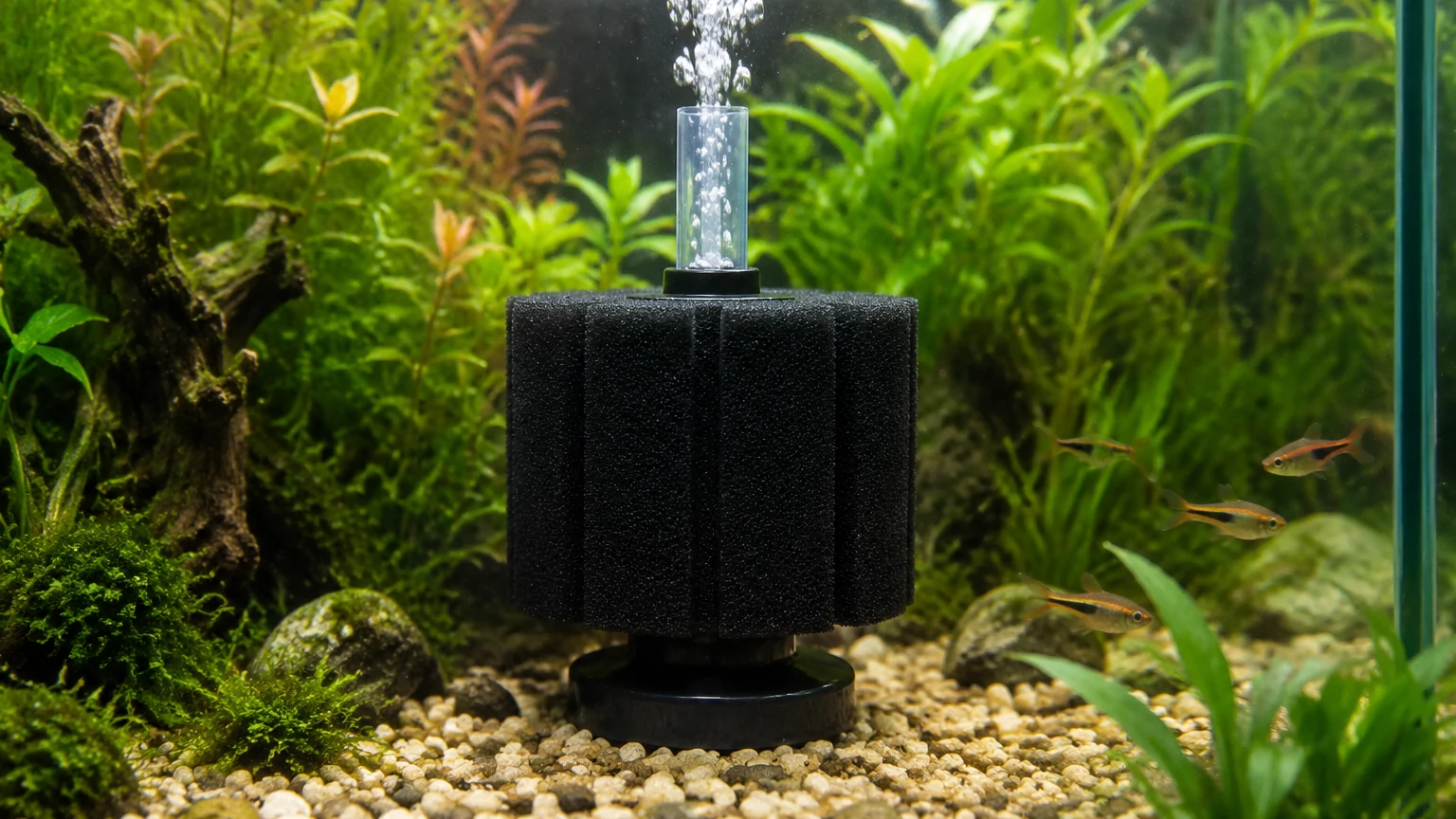
In the realm of aquatic life support systems, the foam filter aquarium setup remains a fundamental technology for both biological and mechanical filtration. While often associated with hobbyist environments, the engineering principles behind foam filtration—specifically reticulated polyurethane foam—are critical for large-scale aquatic research, commercial aquaculture, and specialized industrial water treatment. For engineers and procurement professionals, understanding the technical parameters, material limitations, and the eventual transition to high-performance metal filtration components is essential for maintaining system stability and operational efficiency.
This guide examines the technical specifications of foam filtration, evaluates its performance in demanding environments, and discusses the integration of precision stainless steel components to enhance filtration reliability.
The Mechanics of Foam Filtration in Aquatic Systems
A foam filter aquarium functions through two primary mechanisms: mechanical interception and biological colonization. The physical structure of the foam, characterized by its open-cell architecture, acts as a depth filter to capture particulate matter.
Mechanical Interception
As water is drawn through the foam media—typically via air-lift or water pump suction—suspended solids are trapped within the complex web of struts. Unlike surface filtration, which occurs on a 2D plane, foam provides a 3D matrix that allows for a higher dirt-holding capacity before the pressure drop becomes critical. The efficiency of this process is largely determined by the pore size, measured in Pores Per Inch (PPI).
Biological Nitrification
Beyond mechanical trapping, the most significant role of foam in an aquatic context is providing a substrate for nitrifying bacteria (*Nitrosomonas* and *Nitrobacter*). These microorganisms convert toxic ammonia into nitrite and subsequently into less harmful nitrate. The high internal surface area of reticulated foam makes it an ideal medium for biofilm development. However, from an engineering perspective, the management of this biofilm is a double-edged sword; excessive growth can lead to "bioclogging," which significantly reduces flow rates and oxygen transfer.
Engineering Considerations for Foam Filter Selection
When specifying filtration for professional aquatic systems, several technical parameters must be evaluated to ensure the foam filter aquarium configuration meets the required performance benchmarks.
Pore Density (PPI) and Flow Dynamics
Foam media is generally available in densities ranging from 10 PPI (coarse) to 80 PPI (fine).
- Coarse Foam (10–30 PPI): Offers low resistance to flow and is less prone to clogging. It is primarily used for pre-filtration or in high-flow systems where biological surface area is secondary to mechanical throughput.
- Fine Foam (45–80 PPI): Provides maximum surface area for biological activity and captures smaller particles. However, the increased flow resistance requires more powerful pumps and more frequent maintenance to prevent anaerobic pockets from forming within the media.
Material Compatibility and Durability
Industrial-grade foam filters must be manufactured from polyether or polyester-based polyurethane. In aquatic environments, polyether foams are generally preferred due to their superior resistance to hydrolysis (breakdown in water). Engineers must also consider the chemical compatibility of the foam with ozone or UV sterilization systems, as these can accelerate the degradation of polymer chains, leading to structural failure and the release of microplastics into the system.
Limitations of Foam in Industrial and Large-Scale Applications
While foam is cost-effective and versatile, it possesses inherent limitations that may necessitate a transition to more robust filtration technologies, such as those found on the Main Page of precision manufacturers.
Structural Integrity Under Pressure
Foam is a compressible medium. In high-pressure industrial filtration circuits, the foam can deform, leading to "channeling" where water bypasses the filtration matrix entirely. This bypass renders the filtration system ineffective and can lead to the contamination of downstream components or the loss of aquatic life.
Maintenance and Sanitization
In a foam filter aquarium setup, cleaning requires physical agitation (squeezing) to dislodge solids. In a B2B or industrial context, this manual labor is inefficient. Furthermore, foam cannot withstand high-temperature sterilization (autoclaving) or aggressive chemical cleaning without losing its structural properties. For facilities requiring validated sterile environments or automated cleaning cycles, foam often fails to meet the necessary criteria.
Filtration Precision
Foam filtration is inherently nominal. The pore size distribution in a sponge is irregular, meaning it cannot provide the absolute filtration ratings required for sensitive pharmaceutical or chemical processes involving aquatic organisms. When absolute retention of specific particle sizes is required, metal mesh alternatives are mandatory.
Transitioning to Stainless Steel Filtration Solutions
For many professional applications, the foam filter aquarium model serves as a pre-filtration stage or a biological backup, while the primary mechanical filtration is handled by stainless steel components. Stainless steel wire mesh and sintered metal filters offer several advantages that address the shortcomings of polymer foams.
Precision and Consistency
Unlike the variable pore structure of foam, stainless steel wire mesh is woven to exact tolerances. This allows engineers to specify an absolute micron rating, ensuring that no particles above a certain size pass through the system. This precision is vital for protecting sensitive equipment like high-pressure nozzles or heat exchangers in large aquatic facilities.
Durability and Reusability
Stainless steel filters, such as those provided by Kaifil, are designed for longevity. They are resistant to corrosion (especially in 316L grade for saltwater applications), high temperatures, and mechanical stress. Unlike foam, which must be replaced periodically as it loses elasticity and structural integrity, stainless steel filters can be cleaned and reused indefinitely through backwashing or ultrasonic cleaning.
Integration with Automated Systems
Metal filter cartridges are easily integrated into automated self-cleaning systems. By monitoring the differential pressure across the filter, the system can trigger a backwash cycle without manual intervention, significantly reducing labor costs and downtime compared to manual foam cleaning.
Customization and OEM Solutions for Aquatic Filtration
In specialized industrial aquatic applications, off-the-shelf foam filters are rarely sufficient. Customization is often required to fit specific housing geometries or to meet unique flow requirements.
Material Selection (304 vs. 316L)
For freshwater foam filter aquarium systems, Grade 304 stainless steel may be sufficient for support structures or housings. However, in marine environments or systems using chemical additives, Grade 316L is the standard due to its molybdenum content, which provides enhanced resistance to pitting and crevice corrosion.
Hybrid Filtration Designs
Many advanced systems utilize a hybrid approach. A coarse foam layer may be used to capture large debris and provide a biological base, followed by a series of stainless steel mesh filters of increasing fineness. This staged approach protects the precision metal filters from premature blinding while ensuring the highest possible water clarity. Kaifil specializes in manufacturing the custom metal components required to support these sophisticated filtration architectures.
Total Cost of Ownership (TCO) and Maintenance
When evaluating filtration options, purchasing teams must look beyond the initial acquisition cost. While a foam filter aquarium setup has a low entry price, the total cost of ownership can be higher over time due to:
1. Replacement Frequency: Foam degrades and must be replaced every 6 to 12 months in professional settings.
2. Labor Costs: Manual cleaning of foam media is time-consuming.
3. Risk of Failure: The potential for structural collapse or bypass in foam systems can lead to costly system-wide failures.
In contrast, investing in high-quality stainless steel filtration components reduces the frequency of replacement and allows for the automation of maintenance tasks. For industrial aquatic systems, the reliability and predictability of metal filtration provide a superior return on investment (ROI).
Information for Engineers Before Implementation
Before finalizing a filtration design that incorporates a foam filter aquarium or transitioning to metal components, engineers should confirm the following:
- Target Particle Size: Determine if nominal foam filtration is sufficient or if absolute filtration is required.
- Flow Rate and Pressure Drop: Calculate the maximum allowable pressure drop across the filter media at peak biofilm thickness.
- Chemical Environment: Assess the presence of ozone, chlorine, or high salinity that could degrade polymer foams.
- Cleaning Protocols: Define whether the system requires manual cleaning, backwashing, or CIP (Clean-In-Place) capabilities.
By carefully weighing these factors, technical professionals can design filtration systems that maintain optimal water quality while minimizing operational overhead. For those seeking to upgrade their aquatic filtration systems with precision-engineered metal components, reviewing professional manufacturing options is a critical next step in the procurement process.
