


Industrial Dust Collection System Manufacturers
Selecting the right industrial dust collection system manufacturers is a critical decision for engineering and procurement teams tasked with maintaining air quality, ensuring regulatory compliance, and protecting downstream equipment. Industrial dust collection is not a one-size-fits-all solution; it requires a deep understanding of particle characteristics, airflow dynamics, and material compatibility. Whether the application involves chemical processing, pharmaceutical manufacturing, or metalworking, the effectiveness of the system hinges on the quality of its filtration components and the engineering expertise of the provider.
For many high-demand industrial environments, standard fabric filters or disposable media are insufficient. This is where specialized manufacturers focusing on stainless steel and precision metal filtration play a vital role. By integrating durable, cleanable, and heat-resistant metal filter elements, manufacturers can provide systems that withstand corrosive gases, high temperatures, and abrasive particulates that would otherwise compromise standard equipment.
Understanding the Landscape of Industrial Dust Collection System Manufacturers
The market for industrial dust collection is divided into two primary categories: full-system integrators and specialized component manufacturers. Full-system integrators design the overall housing, ducting, and fan systems. However, the performance of these systems is ultimately dictated by the filtration media housed within them.
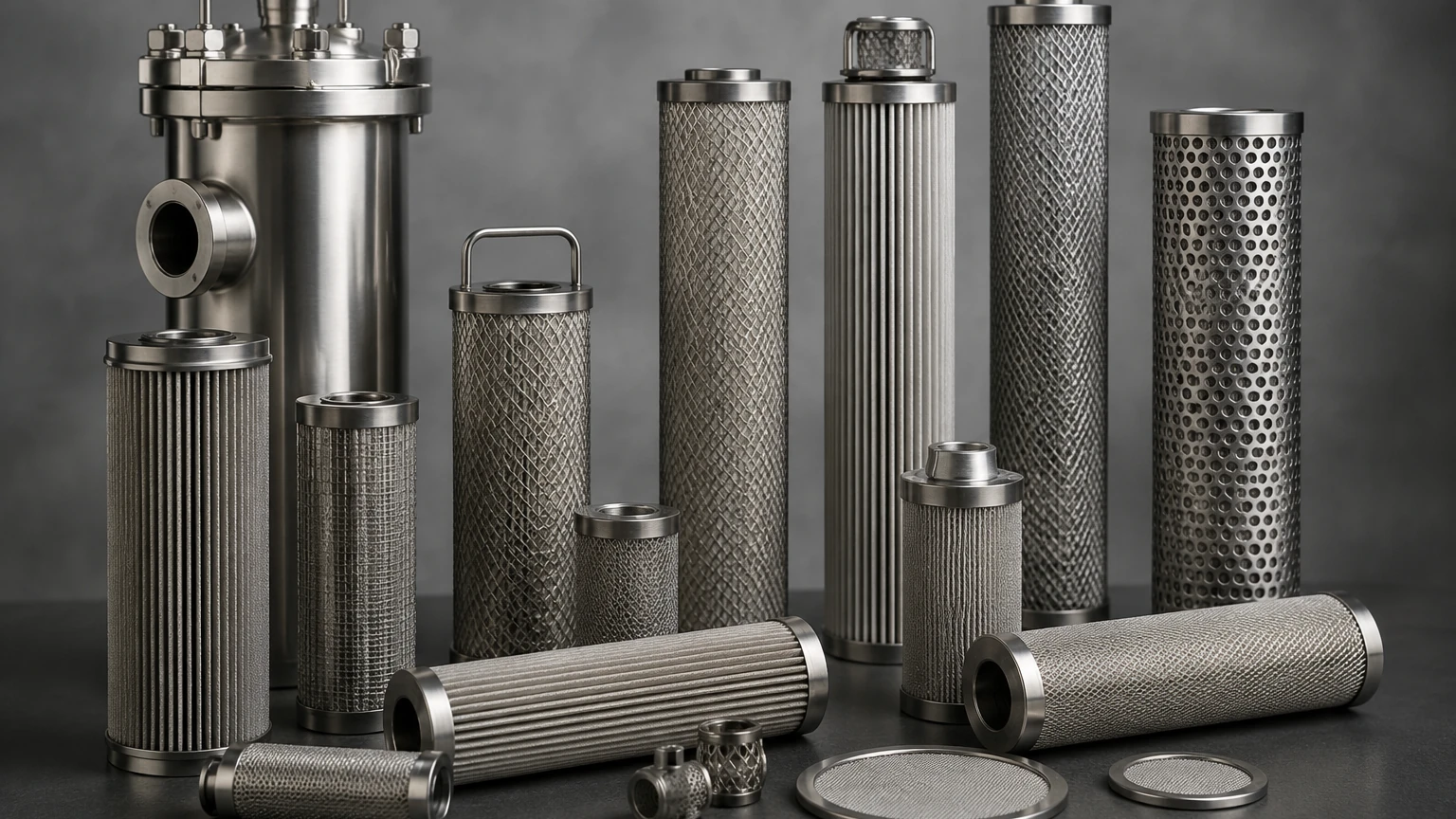
Specialized manufacturers, such as Kaifil, focus on the engineering and production of the core filtration elements—specifically stainless steel wire mesh filters and cartridges. When evaluating industrial dust collection system manufacturers, it is essential to determine if they possess the in-house capability to customize these core components. A manufacturer that understands the nuances of wire mesh weaving, sintering, and pleating can offer solutions that optimize the balance between filtration efficiency and pressure drop.
The Shift Toward Stainless Steel Filtration
In sectors like food and beverage or chemical processing, there is a growing shift toward stainless steel filtration media. Unlike traditional bags or cartridges, stainless steel elements offer:
* High Temperature Resistance: Operations involving hot flue gases or thermal processing require filters that do not degrade under extreme heat.
* Chemical Compatibility: Stainless steel (304, 316, 316L) resists corrosion from acidic or alkaline dust particles.
* Structural Integrity: Metal filters maintain their shape under high differential pressure, preventing bypass or media migration.
* Cleanability: These filters can often be cleaned via backpulsing, ultrasonic baths, or chemical cleaning, significantly extending their service life compared to disposables.
Key Engineering Criteria for Evaluating Manufacturers
Engineers must look beyond the sales brochure and scrutinize the technical capabilities of industrial dust collection system manufacturers. The following criteria are essential for ensuring a reliable long-term investment.
1. Filtration Accuracy and Micron Ratings
Dust collection requirements vary from coarse particulate removal to sub-micron filtration for hazardous materials. A professional manufacturer should provide detailed data on the micron rating and filtration efficiency of their media. For stainless steel wire mesh, this involves selecting the appropriate weave type—such as plain, twilled, or Dutch weave—to achieve the desired particle retention without unnecessarily restricting airflow.
2. Material Selection and Traceability
In regulated industries like pharmaceuticals, material traceability is non-negotiable. Manufacturers should provide certifications for the alloys used. Using low-grade stainless steel in a corrosive environment can lead to pitting and premature failure. High-quality manufacturers ensure that the wire mesh and support structures are made from verified 304 or 316L stainless steel to provide the necessary longevity.
3. Customization and OEM Capabilities
Rarely does a standard off-the-shelf filter meet the exact needs of a complex industrial process. The ability to customize dimensions, end-cap configurations, and reinforcement layers is a hallmark of a superior manufacturer. Engineering teams should confirm that the manufacturer can adapt designs to fit existing housings or meet specific flow rate requirements. For those seeking tailored filtration components, the Main Page provides a comprehensive overview of how custom engineering supports diverse industrial applications.
The Role of Precision Metal Components in Dust Collection
Industrial dust collection systems often operate in environments where the particulate is not just a nuisance but a potential hazard or a valuable byproduct. In these cases, the precision of the filter element is paramount.
Sintered Wire Mesh vs. Single Layer Mesh
For high-pressure dust collection applications, single-layer wire mesh may lack the necessary rigidity. Manufacturers often utilize sintered wire mesh—a process where multiple layers of mesh are bonded together through heat and pressure without the use of binders. This creates a porous metal plate that is incredibly strong, offers precise filtration, and can be pleated to increase the surface area within a compact cartridge.
Pleating Technology
Increasing the filtration surface area is the most effective way to lower the air-to-cloth ratio and reduce the face velocity of the dust-laden air. This leads to a lower pressure drop and longer intervals between cleaning cycles. Industrial dust collection system manufacturers with advanced pleating capabilities can fit more stainless steel media into a standard footprint, enhancing the overall efficiency of the dust collector.
Common Risks and Mitigation Strategies
Partnering with an unproven manufacturer introduces several risks that can lead to increased downtime and maintenance costs. Engineers should be aware of the following pitfalls:
* Inadequate Support Structures: If a filter cartridge is not properly reinforced, the high-pressure pulses used for cleaning can cause the media to collapse or tear. Ensure the manufacturer uses robust inner cores and outer guards.
* Bypass Leaks: Poorly manufactured end caps or gaskets can allow unfiltered air to bypass the media. This is especially dangerous in toxic dust applications. Precision machining of metal end caps is often required for a perfect seal.
* Inaccurate Flow Calculations: If a manufacturer underestimates the pressure drop across the filter media, the system's fan may not be able to maintain the required face velocity at the collection hoods, leading to dust settlement in the ductwork.
To mitigate these risks, it is advisable to request technical drawings, material test reports, and performance data during the quoting stage. A manufacturer's willingness to engage in technical dialogue is a strong indicator of their engineering depth.
Total Cost of Ownership (TCO) Considerations
While the initial purchase price of stainless steel filtration elements is higher than that of polymer or paper alternatives, the Total Cost of Ownership is often significantly lower. When calculating TCO, procurement teams must factor in:
1. Replacement Frequency: Stainless steel filters can last for years, whereas disposable filters may need replacement every few months.
2. Disposal Costs: Reducing the volume of spent filter media lowers hazardous waste disposal fees.
3. Downtime: Longer-lasting filters mean fewer system shutdowns for maintenance.
4. Energy Consumption: A well-designed metal filter with optimized porosity maintains a lower stable pressure drop, reducing the energy required by the system's blower.
Industrial dust collection system manufacturers that focus on durability and cleanability help facilities move away from the "replace and discard" cycle toward a more sustainable and cost-effective operation.
Technical Integration and Maintenance Recommendations
Even the best filter from a top-tier manufacturer will fail if not integrated and maintained correctly. Manufacturers should provide guidance on:
* Installation Procedures: Ensuring that seals are properly seated and that the filter elements are handled correctly to avoid damaging the fine wire mesh.
* Cleaning Protocols: For cleanable metal filters, the manufacturer should specify the maximum allowable differential pressure before a cleaning cycle must be initiated. They should also provide instructions on compatible cleaning agents or ultrasonic frequencies.
* Monitoring: The use of differential pressure gauges is essential. A sudden drop in pressure may indicate a leak or media failure, while a steady rise that does not respond to cleaning indicates that the media has reached the end of its functional life.
Conclusion
Finding the right partner among industrial dust collection system manufacturers requires a focus on technical specifications, material quality, and customization capabilities. For industries where process continuity and air purity are non-negotiable, stainless steel and precision metal filtration components offer the most reliable path forward. By prioritizing engineering expertise over the lowest initial bid, companies can ensure their dust collection systems operate at peak efficiency with minimal environmental impact.
As a professional manufacturer of custom stainless steel filtration solutions, Kaifil provides the technical support and high-performance components necessary for demanding industrial applications. For more information on specific products and engineering capabilities, visit the Main Page to review product options and application support.
Download Industrial Dust Collection System Manufacturers as a PDF
