


Industrielle Luftfilter
In the landscape of modern industrial manufacturing, the management of air quality and gas purity is a critical engineering challenge. The term industrielle luftfilter encompasses a wide range of technologies designed to remove particulate matter, aerosols, and gaseous contaminants from process air streams. Unlike standard commercial HVAC filtration, industrial-grade solutions must withstand extreme temperatures, corrosive environments, and high-pressure differentials while maintaining precise filtration accuracy. For engineers and procurement specialists, selecting the right filtration media is not merely a maintenance decision but a strategic investment in equipment longevity and process reliability.
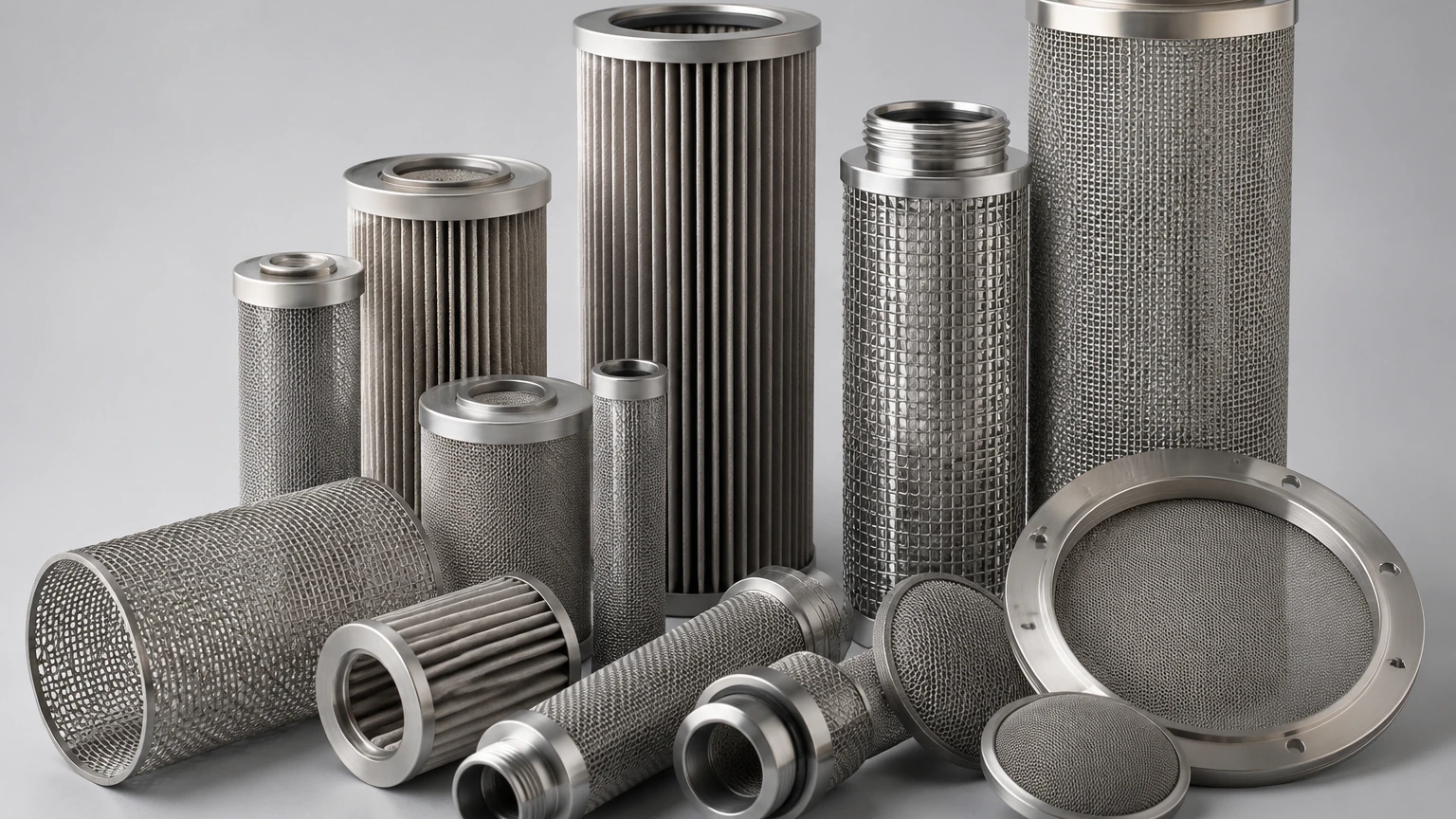
At the core of high-performance air filtration are stainless steel components. These are often preferred in heavy-duty applications where synthetic or paper-based media would fail. By utilizing advanced wire mesh and sintered metal technologies, manufacturers can provide solutions that offer both durability and high-efficiency particle capture. For those seeking detailed technical specifications and a comprehensive overview of available filtration components, visiting the Main Page of a specialized manufacturer provides the necessary engineering data to inform the selection process.
Engineering Considerations for High-Performance Air Filtration
When evaluating industrielle luftfilter, engineers must balance several competing physical parameters. The primary goal is to achieve the required filtration fineness without causing an excessive pressure drop, which would increase energy consumption and strain the blower or compressor systems.
Filtration Accuracy and Micron Ratings
Filtration fineness is typically measured in microns (µm). In industrial air applications, requirements can range from coarse pre-filtration (100 µm or more) to fine particulate removal (less than 1 µm). Stainless steel wire mesh is particularly effective because it offers a precise pore size that remains stable under mechanical stress. This is critical in applications like pneumatic conveying or gas turbine intake, where consistent particle exclusion is mandatory.
Pressure Drop and Flow Dynamics
The resistance to airflow, known as differential pressure (ΔP), is a key indicator of filter performance. A well-designed filter maximizes the effective surface area to lower the initial pressure drop. Techniques such as pleating the wire mesh can significantly increase the surface area within a standard cartridge footprint. This design allows for higher flow rates and extends the service life between cleaning cycles, as the filter can hold more contaminants before reaching its terminal pressure drop.
Material Selection: The Advantage of Stainless Steel
The choice of material for industrielle luftfilter is dictated by the chemical and thermal profile of the air stream. While polymer-based filters are common in ambient air applications, industrial processes often involve variables that necessitate the use of metallic media, specifically 304 or 316L stainless steel.
Thermal Stability
Many industrial processes, such as glass manufacturing, metal smelting, or chemical catalysis, involve exhaust gases or process air at temperatures exceeding 250°C. Synthetic fibers lose their structural integrity or melt at these temperatures. Stainless steel filters maintain their mechanical properties at much higher thermal thresholds, ensuring that the filtration system remains functional even during temperature spikes.
Corrosion and Chemical Resistance
In the chemical processing and pharmaceutical industries, air streams may contain acidic or alkaline vapors. 316L stainless steel, with its molybdenum content, provides superior resistance to pitting and crevice corrosion. This ensures that the filter media does not degrade or introduce metallic contaminants into the process, which is a vital consideration for maintaining high purity standards.
Customization and OEM Integration
No two industrial facilities are identical, and standard off-the-shelf filters often fall short of specific spatial or performance requirements. Customization is a hallmark of high-quality industrielle luftfilter manufacturing. Engineering teams often require bespoke solutions that integrate seamlessly into existing machinery or meet unique OEM (Original Equipment Manufacturer) specifications.
Structural Configurations
Customization goes beyond just the dimensions of the filter. It includes the selection of end-cap designs (such as threaded, flange, or O-ring seals), the inclusion of internal support cores to prevent collapse under high vacuum, and external guards to protect the delicate mesh from physical damage. These structural elements are engineered to match the specific housing and flow conditions of the application.
Tailored Mesh Weaves
The weave pattern of the stainless steel mesh—whether plain, twill, or Dutch weave—determines the filter's loading capacity and cleaning characteristics. For example, a Dutch weave provides a tortuous path for particles, offering higher efficiency for fine dust, while a plain weave might be selected for applications requiring easy surface cleaning and high flow rates.
Maintenance, Cleaning, and Total Cost of Ownership
One of the most significant advantages of stainless steel industrielle luftfilter is their cleanability. Unlike disposable filters that must be replaced and discarded, metal filter cartridges can be cleaned and returned to service multiple times. This shift from a consumable model to a reusable asset model significantly alters the Total Cost of Ownership (TCO).
Cleaning Methodologies
Depending on the type of contaminant, several professional cleaning methods can be employed:
- Ultrasonic Cleaning: High-frequency sound waves create cavitation bubbles that dislodge fine particles from deep within the mesh pores.
- Backwashing: Reversing the flow of air or fluid through the filter to push out trapped debris.
- Chemical Cleaning: Using compatible solvents or detergents to dissolve oils, greases, or chemical deposits.
- Thermal Cleaning: Utilizing controlled heat to burn off organic contaminants without damaging the metal structure.
Economic and Environmental Impact
While the initial purchase price of a stainless steel filter is higher than a disposable alternative, the elimination of recurring replacement costs and the reduction in waste disposal fees provide a rapid return on investment. Furthermore, reducing the frequency of filter changes minimizes downtime, leading to higher overall equipment effectiveness (OEE).
Industry-Specific Applications for Metal Air Filters
The versatility of industrielle luftfilter allows them to be deployed across diverse sectors, each with its own set of regulatory and technical demands.
Food and Beverage Industry
In food processing, air filters are used in drying towers, pneumatic transport of ingredients, and tank venting. The filters must be made of food-grade materials and be capable of withstanding Clean-In-Place (CIP) procedures. Stainless steel's non-shedding characteristics ensure that no fibers migrate into the food product, maintaining compliance with safety standards.
Pharmaceutical and Biotechnology
Sterile air is a requirement for many pharmaceutical processes. Metal filters are often used as pre-filters for HEPA systems or as vent filters for fermentation tanks. Their ability to be steam-sterilized (autoclaved) in place is a critical feature for maintaining aseptic conditions.
Hydraulic and Heavy Machinery
Air breathers are essential for hydraulic reservoirs to prevent airborne contaminants from entering the oil system as levels fluctuate. Robust industrielle luftfilter made of wire mesh protect sensitive hydraulic components from wear and premature failure, even in dusty environments like mining or construction sites.
Conclusion: Selecting the Right Filtration Partner
Choosing the correct industrielle luftfilter requires a deep understanding of the process environment, the nature of the contaminants, and the long-term operational goals of the facility. Engineers must look beyond the surface and evaluate the metallurgical quality, the precision of the weave, and the integrity of the assembly.
By focusing on durable, cleanable, and customizable stainless steel solutions, industrial operators can ensure process stability and reduce long-term costs. For further technical guidance on selecting the optimal filtration components for your specific industrial application, you can explore the resources and product options available on the Main Page. Partnering with a manufacturer that understands the nuances of industrial filtration engineering is the most effective way to optimize air quality and protect critical infrastructure.
