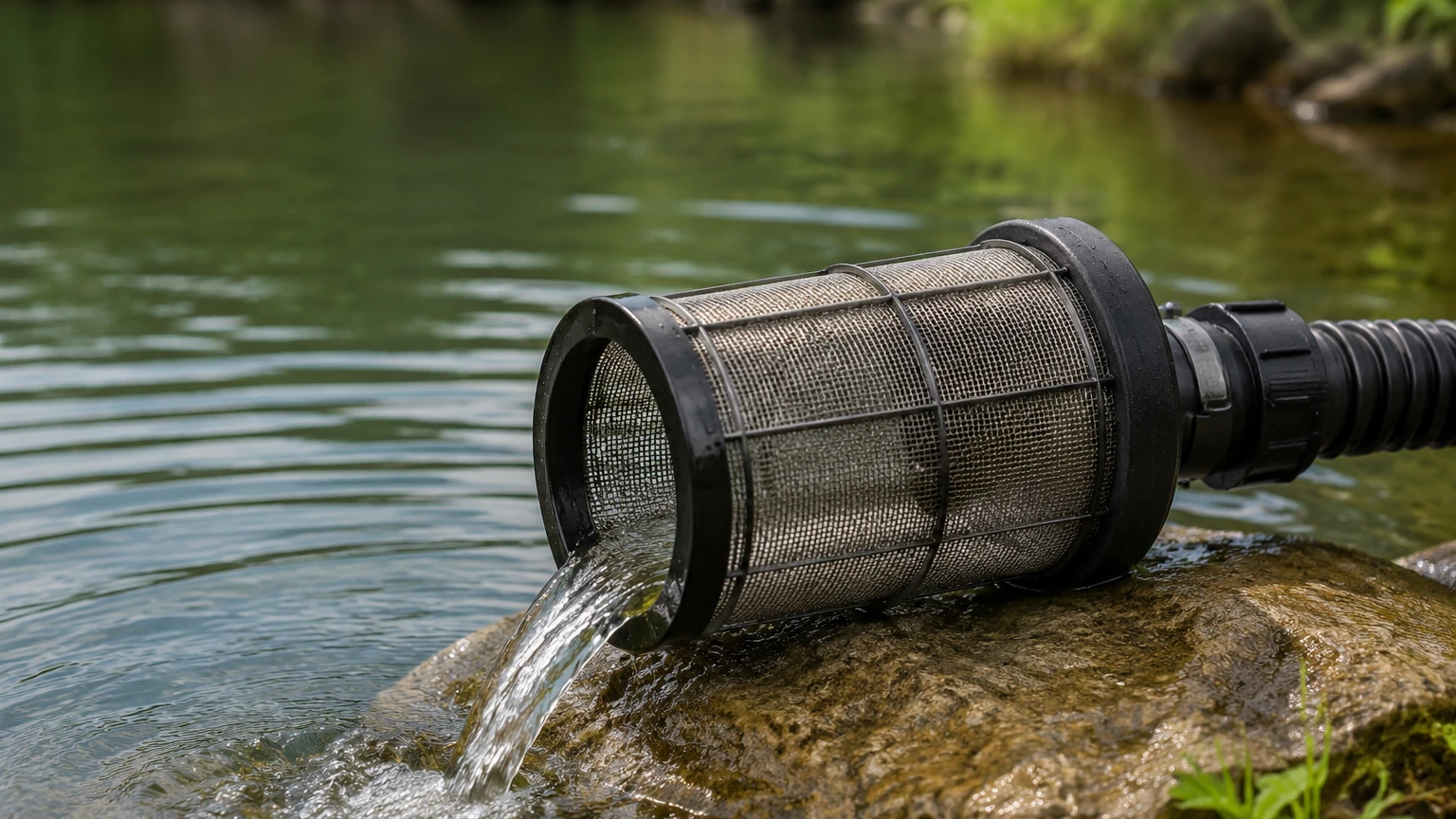
Lake Pump Filter Screen
In industrial water intake systems, the lake pump filter screen serves as the primary defense mechanism for downstream equipment. Whether utilized for large-scale irrigation, industrial cooling, or municipal water treatment, the integrity of the pump and the efficiency of the entire hydraulic circuit depend on the performance of this initial filtration stage. Selecting the correct lake pump filter screen requires a deep understanding of fluid dynamics, material science, and the specific environmental challenges present in raw water sources.
The Role of the Lake Pump Filter Screen in Industrial Systems
A lake pump filter screen is a specialized filtration component designed to be installed at the suction inlet of a pump. Its primary function is to prevent the ingress of suspended solids—such as aquatic vegetation, sand, gravel, and organic debris—into the pump casing. Without effective filtration, these contaminants can cause catastrophic mechanical failure, including impeller erosion, seal damage, and internal clogging.
From an engineering perspective, the filter screen must balance two competing requirements: fine enough filtration to protect the system and a high enough open area to prevent excessive pressure drop (NPSH concerns). In industrial B2B applications, these screens are typically constructed from high-grade stainless steel to withstand the mechanical stresses of high-volume suction and the corrosive nature of outdoor water environments.
Engineering Considerations: Flow Rate and Pressure Drop
When specifying a lake pump filter screen, the most critical technical factor is the Net Positive Suction Head (NPSH). If a filter screen is too restrictive or becomes prematurely clogged, it creates a vacuum that can lead to cavitation within the pump. Cavitation occurs when the pressure at the pump inlet drops below the vapor pressure of the liquid, causing bubbles to form and collapse violently, which pits the metal surfaces of the impeller.
To avoid this, engineers must calculate the required surface area based on the pump’s maximum flow rate. A general rule of thumb in industrial filtration is to maintain a low approach velocity—the speed at which water moves toward the screen surface. By increasing the total surface area of the mesh, the velocity is reduced, which minimizes the tendency for debris to be "pinned" against the screen, thereby extending the interval between cleanings.
Material Selection for Durability and Longevity
Industrial lake water environments are often chemically complex. Factors such as pH levels, dissolved oxygen, and the presence of chlorides dictate the choice of material. While plastic or galvanized steel screens may suffice for temporary or low-pressure applications, professional-grade systems almost exclusively utilize stainless steel.
1. Stainless Steel 304: This is the standard choice for most freshwater applications. It offers excellent mechanical strength and sufficient corrosion resistance for typical lake environments.
2. Stainless Steel 316: For lakes with higher salinity, brackish water, or industrial runoff, Type 316 stainless steel is preferred. The addition of molybdenum enhances its resistance to pitting and crevice corrosion.
3. Wedge Wire vs. Woven Mesh: For heavy-duty lake pump filter screens, wedge wire (V-wire) is often superior to standard woven mesh. The V-shaped profile of the wire ensures that only two points of contact are made with any particle, significantly reducing the risk of "blinding" or permanent clogging. Woven wire mesh, however, provides a more cost-effective solution for finer filtration requirements where high-precision apertures are necessary.
Structural Integrity and Reinforcement
A lake pump filter screen is subjected to significant external pressure, especially as it begins to collect debris. If the structural framework is insufficient, the suction force of the pump can cause the screen to collapse inward.
High-quality industrial screens feature a multi-layered construction:
* The Outer Filter Layer: This is the mesh or wedge wire that determines the filtration accuracy.
* The Support Core: A heavy-duty perforated metal cylinder or internal ribbing provides the mechanical strength to resist collapse under high differential pressure.
* End Fittings: Precision-machined flanges or threaded connections ensure a leak-proof seal with the pump intake pipe, preventing "bypass" where unfiltered water enters the system through gaps.
Addressing Biofouling and Maintenance
One of the unique challenges of lake water filtration is biofouling. Algae, zebra mussels, and bacterial biofilms can rapidly colonize the surface of a lake pump filter screen. Unlike inorganic sand, biological growth can weave into the mesh, making it difficult to remove through simple rinsing.
To combat this, engineers often specify specialized coatings or materials with antimicrobial properties. Furthermore, the design of the screen should facilitate easy maintenance. Self-cleaning intake screens, which utilize an internal backwash arm or air-burst system, are common in large-scale industrial installations. For manual systems, a removable basket design or a "slip-on" screen that can be easily hoisted to the surface for high-pressure washing is essential for minimizing downtime.
Selection Criteria for Purchasing Teams
When evaluating suppliers for a lake pump filter screen, purchasing teams should look beyond the initial unit cost and consider the Total Cost of Ownership (TCO). A cheaper, lower-quality screen may lead to higher energy costs due to increased pressure drop, or frequent pump repairs due to bypass leakage.
Key questions to confirm with a manufacturer include:
* What is the effective open area percentage? A higher open area reduces energy consumption and cavitation risk.
* Is the mesh size appropriate for the downstream equipment? If the pump is feeding a fine-nozzle irrigation system, the screen must be sized to protect those nozzles, not just the pump impeller.
* What is the burst pressure or collapse rating? Ensure the screen can handle the maximum suction head of the pump in a fully clogged state.
* Are customization options available? Many industrial intakes require non-standard dimensions or specific flange patterns to fit existing infrastructure.
Common Risks of Improper Filtration
Failure to implement an adequate lake pump filter screen results in several operational risks:
1. Impeller Unbalance: Large debris striking the impeller can cause physical deformation, leading to vibration that destroys bearings and seals.
2. Increased Energy Consumption: As a screen clogs, the pump must work harder to pull the same volume of water, leading to a measurable spike in electricity usage.
3. Downstream Contamination: If the screen fails, debris moves into heat exchangers, valves, and spray nozzles, necessitating a complete system flush and potentially causing production halts.
Customization and OEM Solutions
Because every lake environment and pump configuration is unique, a "one-size-fits-all" approach rarely provides optimal performance. Custom-engineered filtration solutions allow for the optimization of mesh counts, wire diameters, and overall geometry. For example, a shallow lake intake might require a "T-style" or "drum" screen to maximize surface area in a limited depth, while a deep-water intake might use a compact cylindrical design.
Manufacturers like Kaifil specialize in these types of precision-engineered components, providing the technical expertise needed to match the filtration media to the specific particulate profile of the source water. By working directly with a manufacturer, engineers can ensure that the material grades and structural reinforcements are suited for the specific chemical and physical demands of their application.
Conclusion: Ensuring System Reliability
The lake pump filter screen is a critical component that dictates the reliability and efficiency of industrial water intake systems. By focusing on high-grade materials like stainless steel, calculating the necessary open area to maintain NPSH, and considering the long-term impacts of biofouling, facilities can significantly reduce maintenance costs and prevent unexpected equipment failure.
For technical professionals seeking to optimize their filtration processes or source high-performance replacement components, it is essential to partner with a manufacturer that understands the nuances of industrial fluid dynamics. To explore professional-grade filtration options and discuss specific application requirements, you can Review product options and application support on our Main Page.
Investing in a robust, well-engineered lake pump filter screen is not merely a purchase of a metal component; it is an investment in the protection of the entire hydraulic infrastructure, ensuring consistent performance in even the most demanding environmental conditions.