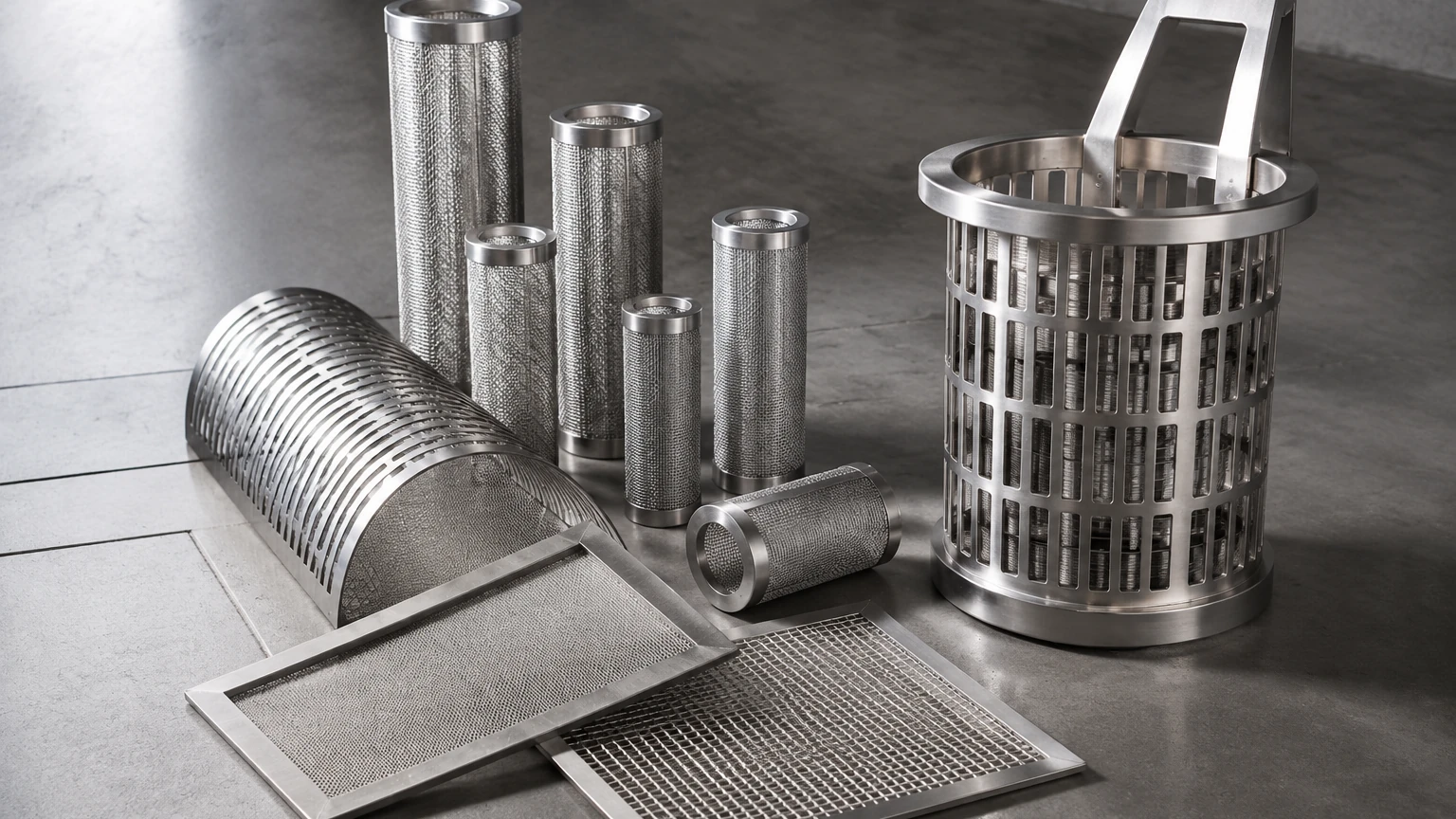
Lift Station Screening Solutions
In industrial and municipal fluid management, lift stations play a critical role in transporting wastewater, process fluids, or runoff from lower to higher elevations. However, the efficiency and longevity of these systems depend heavily on the effectiveness of the initial filtration stage. Lift station screening solutions are designed to protect downstream pumping equipment from debris, solids, and fibrous materials that can cause mechanical failure, clogging, or "ragging." For engineers and facility managers, selecting the appropriate screening media is not merely a matter of sizing but an engineering decision involving material science, hydraulic dynamics, and long-term maintenance considerations.
The Role of Screening in Lift Station Efficiency
A lift station typically consists of a wet well, pumps, and a control system. Because the pumps—often centrifugal or submersible—are designed to handle fluids with specific solids-handling capabilities, any material exceeding those limits poses a significant risk. Without robust lift station screening solutions, large debris such as plastic, rags, wood, or industrial byproducts can enter the pump volute, leading to impeller damage or motor burnout.
Effective screening serves three primary functions:
1. Pump Protection: By removing oversized solids, screens prevent catastrophic mechanical failure and reduce the frequency of emergency pump repairs.
2. Process Consistency: In industrial settings, such as chemical processing or food production, consistent flow is vital. Screening ensures that downstream treatment processes are not interrupted by unexpected blockages.
3. Operational Cost Reduction: While the initial investment in high-quality screens is a factor, the reduction in labor costs associated with manual pump de-clogging and the extension of pump service life provide a significant return on investment.
Material Selection: Why Stainless Steel Dominates
When evaluating lift station screening solutions, the choice of material is paramount. Lift stations often operate in harsh environments characterized by high humidity, fluctuating pH levels, and exposure to corrosive chemicals or hydrogen sulfide (H2S) gas.
Stainless steel is the industry standard for these applications due to its inherent durability and resistance to oxidation. Most industrial screens are manufactured from AISI 304 or AISI 316L stainless steel.
* Grade 304 Stainless Steel: Suitable for standard wastewater and general industrial applications where corrosion risks are moderate. It provides excellent structural strength and cost-effectiveness.
* Grade 316L Stainless Steel: Recommended for more aggressive environments, such as chemical processing plants or coastal lift stations where chloride exposure is high. The addition of molybdenum in 316L enhances its resistance to pitting and crevice corrosion.
As a specialist in stainless steel filtration, Kaifil utilizes advanced manufacturing techniques to ensure that these materials are fabricated into screens that maintain their structural integrity under heavy hydraulic loads. For more information on our capabilities, you can visit our Main Page.
Evaluating Technical Parameters for Screening Media
Selecting the right screening solution requires a deep dive into the technical specifications of the media. Engineers must balance the need for fine filtration with the requirement for high flow rates and low head loss.
1. Aperture Size and Filtration Accuracy
The aperture size, or the clear opening between wires or perforations, determines what size of solids will be captured. In lift stations, this typically ranges from coarse screening (6mm to 50mm) to fine screening (1mm to 6mm). The choice depends on the pump's solids-handling rating. If the aperture is too large, pumps are at risk; if it is too small, the screen may blind (clog) too quickly, leading to overflows.
2. Open Area Ratio
The open area ratio is the percentage of the screen surface that allows fluid to pass. A higher open area reduces the velocity of the fluid as it passes through the screen, which minimizes head loss and prevents solids from being forced through the mesh. Precision-manufactured wire mesh and perforated metals allow for optimized open areas while maintaining the mechanical strength required to withstand the pressure of the influent flow.
3. Mechanical Strength and Burst Pressure
Screens in lift stations must withstand the weight of accumulated debris and the force of the moving fluid. This is particularly important during storm events or high-flow industrial discharge cycles. Engineering considerations include the thickness of the wire or plate and the inclusion of reinforcement frames or support structures to prevent deformation.
Types of Screening Configurations
Different lift station designs require different screening geometries. Customization is often necessary to fit the specific dimensions of the wet well or the inlet pipe.
* Basket Screens: These are frequently used in smaller lift stations or as a secondary manual backup. They are lowered into the flow path and can be hoisted out for cleaning. Stainless steel basket filters provide a durable, reusable alternative to disposable options.
* Bar Screens: Consisting of parallel metal bars, these are used for coarse screening. They are robust and can be easily integrated into automated raking systems.
* Perforated Plate and Wire Mesh Screens: For finer filtration requirements, perforated plates or multi-layer wire mesh components offer high precision. These are often used in industrial lift stations where specific process byproducts must be recovered or removed before the fluid reaches the main pump system.
Customization for Specialized Industrial Applications
Industrial lift stations often face challenges that municipal systems do not. For instance, in the food and beverage industry, the effluent may contain high concentrations of fats, oils, and greases (FOG), along with organic solids. In pharmaceutical or chemical plants, the fluid may be at extreme temperatures or contain volatile solvents.
Customized lift station screening solutions allow for the integration of specific features to address these challenges:
* Surface Treatments: Electropolishing or specialized coatings can be applied to stainless steel screens to reduce the adhesion of organic matter, making them easier to clean.
* Reinforced Structures: For high-pressure hydraulic applications, screens can be engineered with internal support cores to prevent collapsing.
* Precision Tolerances: In applications where even small particles can damage high-precision downstream equipment, custom-woven wire mesh provides the necessary filtration accuracy.
Maintenance and Operational Longevity
No screening solution is "set and forget." Maintenance is a critical component of the total cost of ownership. A well-designed screen should facilitate easy cleaning and inspection.
Cleaning Cycles: Manual screens require regular intervals for debris removal. If a screen is difficult to access or clean, it is likely to be neglected, leading to pump starvation and system failure.
Preventing Blinding: Blinding occurs when particles become lodged in the openings or when a film of grease or biological growth covers the screen. Selecting the correct mesh profile—such as wedge wire, which has a V-shaped profile to minimize contact points—can significantly reduce the risk of blinding.
Replacement Cycles: While stainless steel is highly durable, it is not infinite. Regular inspections should look for signs of mechanical wear, erosion-corrosion, or structural fatigue. Choosing a manufacturer that provides consistent OEM quality ensures that replacement components will fit perfectly and perform to the original specifications.
Engineering Confirmation: A Checklist for Procurement
Before finalizing the purchase of lift station screening solutions, engineering and purchasing teams should confirm several key factors to ensure the solution is fit for purpose:
1. Fluid Characteristics: What is the pH, temperature, and chemical composition of the fluid? This dictates the grade of stainless steel required.
2. Flow Dynamics: What is the peak flow rate? Ensure the screen's open area can handle this without excessive head loss.
3. Solids Loading: What type and volume of solids are expected? This determines the aperture size and the required mechanical strength.
4. Spatial Constraints: Does the screen fit the existing wet well or inlet structure? Custom fabrication is often required for retrofits.
5. Regulatory Compliance: Does the screening solution meet local environmental or industrial discharge standards?
By addressing these questions, organizations can avoid the common pitfalls of underspecified filtration components.
Conclusion
Lift station screening solutions are a fundamental component of efficient fluid management. By focusing on high-quality materials, precise engineering, and application-specific designs, facilities can protect their pumping infrastructure and optimize operational costs. Whether dealing with municipal wastewater or complex industrial process fluids, the integration of professional-grade stainless steel filtration components is an investment in system reliability. For technical support and to explore a wide range of customized filtration products, visiting the Main Page provides access to the expertise needed to solve demanding filtration challenges.