


Mesh Sizing
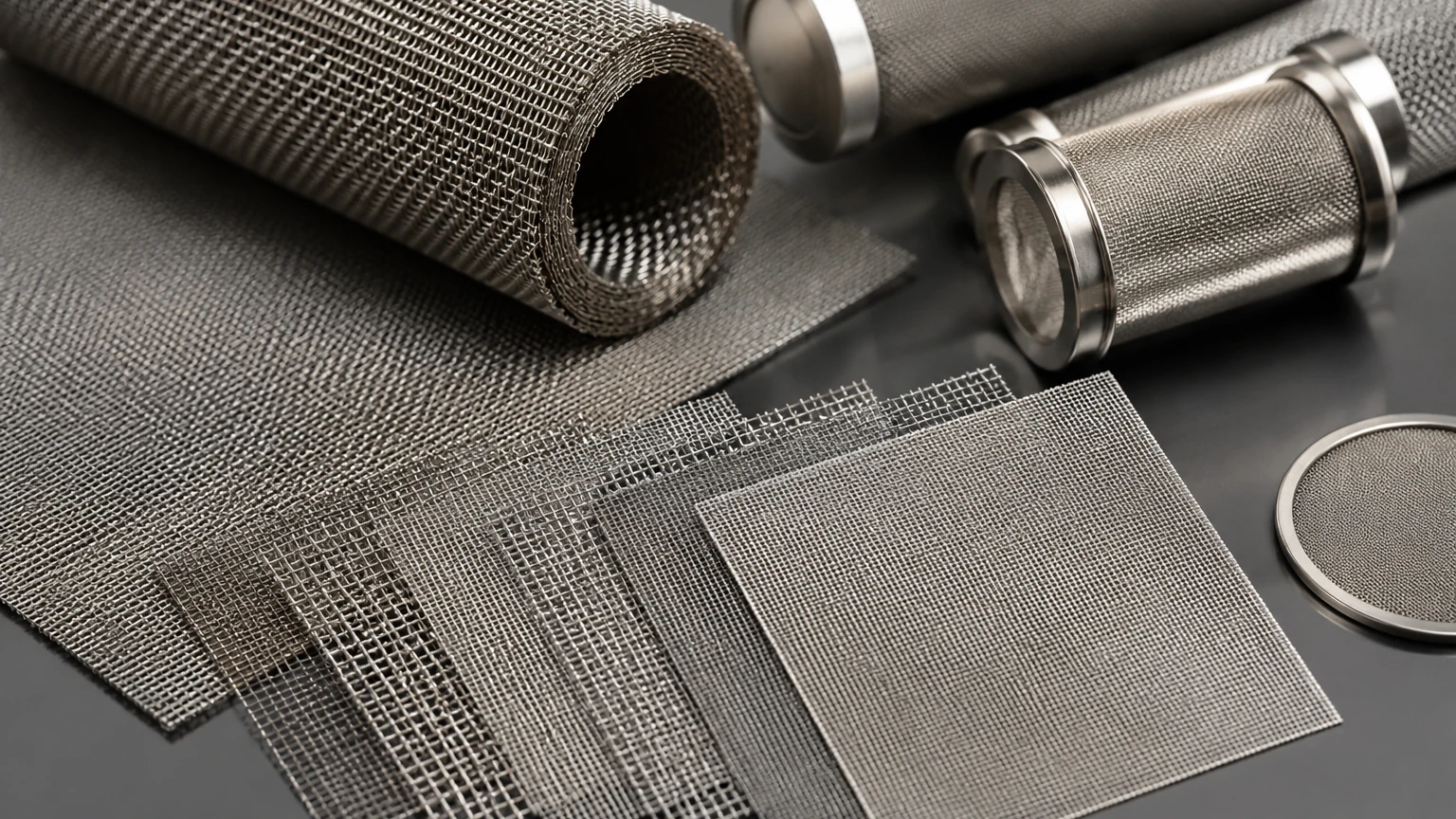
In industrial filtration, the term "mesh sizing" refers to a critical specification that determines the performance, efficiency, and longevity of a filtration system. For engineers and procurement professionals in industries such as chemical processing, pharmaceuticals, and food and beverage production, understanding the nuances of mesh sizing is essential for selecting the correct stainless steel filter components. While the concept may seem straightforward, it involves a complex interplay between wire diameter, open area, weave patterns, and micron ratings.
As a professional manufacturer specializing in custom stainless steel filtration solutions, Kaifil provides high-performance components designed to meet specific industrial requirements. Selecting the appropriate mesh sizing is the first step in ensuring that a filtration system operates within its intended parameters without premature failure or excessive pressure drop.
Understanding the Fundamentals of Mesh Sizing
Mesh sizing is traditionally defined by the number of openings per linear inch of the wire cloth. For example, a 100-mesh screen has 100 openings per inch in both the warp and shute directions. However, the mesh count alone does not provide a complete picture of the filter’s capabilities. To fully characterize a filter, engineers must also consider the wire diameter and the resulting aperture size.
Mesh Count vs. Micron Rating
The micron rating is the most accurate way to describe the size of the particles a filter is intended to capture. One micron (micrometer) is equal to one-millionth of a meter. There is a direct mathematical relationship between mesh count, wire diameter, and the micron rating of the opening.
As the mesh count increases, the size of the openings generally decreases. However, two different 100-mesh screens can have different micron ratings if they use different wire diameters. A thicker wire results in a smaller opening (lower micron rating) but also reduces the total open area of the filter, which can impact flow rates and increase pressure drop.
Calculating Open Area
The percentage of open area is a vital metric for determining the throughput of a filter. It is calculated using the formula:
Percentage of Open Area = (Aperture Width² / (Aperture Width + Wire Diameter)²) x 100
A higher open area percentage typically allows for higher flow rates and lower initial pressure drops. However, in high-pressure hydraulic or industrial applications, a balance must be struck between open area and the structural integrity of the mesh. Thinner wires increase open area but may lack the mechanical strength required to withstand high differential pressures.
The Impact of Weave Types on Filtration Performance
Mesh sizing is also influenced by the weave pattern employed during manufacturing. The choice of weave affects not only the aperture size but also the depth of the filtration and the strength of the mesh. At Kaifil, we utilize various weave types to customize filtration solutions for demanding environments.
Plain Weave
This is the most common weave pattern, where each shute wire passes alternately over and under each warp wire. Plain weave is typically used for coarser mesh sizing and provides a high degree of transparency and flow. It is ideal for general-purpose liquid filtration and sieving applications.
Twilled Weave
In a twilled weave, each shute wire passes alternately over and under two warp wires. This allows for the use of heavier wires in a given mesh count, providing greater strength and the ability to achieve finer mesh sizing than plain weave. This is often used in high-load applications where durability is paramount.
Dutch Weave (Plain and Twilled)
Dutch weaves utilize different wire diameters for the warp and shute directions. The warp wires are typically heavier, while the shute wires are finer and driven closely together. This creates a dense, strong filter medium with very small, triangular openings. Dutch weave is the standard for high-pressure filtration and applications requiring precise micron ratings below 50 microns. Because the openings are not straight-through, Dutch weave provides superior "depth" filtration, capturing particles more effectively than a simple square mesh.
Engineering Considerations for Mesh Selection
When specifying mesh sizing for an industrial project, engineers must look beyond the initial particle retention requirements. Several engineering factors influence the total performance of the filter cartridge or component.
Material Compatibility
Stainless steel is the preferred material for industrial filtration due to its corrosion resistance and thermal stability. The two most common grades are SS304 and SS316.
* SS304: Suitable for most general industrial applications, including water treatment and food processing.
* SS316: Contains molybdenum, which provides enhanced resistance to chlorides and acidic environments. It is the standard for pharmaceutical and chemical processing where aggressive cleaning agents or corrosive fluids are present.
Pressure Drop (Delta P)
Every filter introduces a resistance to flow, known as pressure drop. As the mesh sizing becomes finer, the resistance increases. It is critical to calculate the maximum allowable pressure drop for a system to ensure that the pump or gravity feed can maintain the required flow rate as the filter begins to load with contaminants. Over-specifying a filter (choosing a mesh that is much finer than necessary) will lead to frequent cleaning cycles and unnecessary energy consumption.
Particle Morphology
The shape of the particles being filtered also dictates the necessary mesh sizing. Spherical particles are easier to predict, but elongated or irregular particles can "needle" through a mesh that is technically sized correctly based on the particle's smallest dimension. In these cases, a Dutch weave or a multi-layered sintered mesh may be required to provide the necessary tortuosity to trap irregular solids.
Common Risks and Pitfalls in Mesh Sizing
Selecting the wrong mesh sizing can lead to significant operational issues. Engineers should be aware of the following risks during the design and procurement phase:
1. Blinding and Clogging: If the mesh sizing is too close to the average particle size of the slurry, particles can become wedged in the openings, a phenomenon known as blinding. This rapidly increases pressure drop and is difficult to clear through standard backwashing.
2. Structural Failure: In high-pressure systems, if the wire diameter is too thin for the required mesh count, the mesh may deform or burst. This is why supporting layers or perforated metal cores are often integrated into stainless steel filter cartridges.
3. Inaccurate Conversions: Relying on generic mesh-to-micron conversion charts can be dangerous. Because wire diameters vary between manufacturers, a "100 mesh" from one source may have a significantly different aperture size than a "100 mesh" from another. Always confirm the actual micron rating and wire diameter with the manufacturer.
4. Media Migration: In some low-quality filters, individual wires can break or shift, leading to "unloading" where captured contaminants or pieces of the filter itself enter the downstream flow. High-quality manufacturing and sintering processes prevent this risk.
Total Cost of Ownership and Replacement Cycles
While the initial cost of a custom stainless steel filter may be higher than disposable polymer filters, the total cost of ownership is often much lower in industrial settings. Stainless steel filters are cleanable and reusable, which eliminates the recurring cost of replacement media and reduces waste disposal fees.
Cleaning and Maintenance
Effective maintenance is key to extending the life of a stainless steel filter. Depending on the mesh sizing and the nature of the contaminant, cleaning methods may include:
* Backwashing: Reversing the flow to dislodge particles from the surface.
* Ultrasonic Cleaning: Using high-frequency sound waves in a cleaning solution to remove fine particles trapped deep within Dutch weave or sintered mesh.
* Chemical Cleaning: Using acids or alkalis to dissolve organic or mineral scale, provided the mesh material is compatible.
By selecting the correct mesh sizing and material, facilities can achieve thousands of hours of operation before a filter requires professional servicing or replacement.
Customization and OEM Solutions
Every industrial application has unique challenges. Standard off-the-shelf filters often fail to meet the specific demands of high-temperature, high-pressure, or highly corrosive environments. This is where customized filtration solutions become necessary.
Kaifil works closely with global customers to develop tailored filtration components. From selecting the precise wire diameter to designing multi-layer sintered structures that combine fine filtration with high mechanical strength, customization ensures that the mesh sizing is optimized for the specific fluid dynamics of the application. For more information on our engineering capabilities and to explore our full range of filtration products, visit our Main Page.
Conclusion
Mesh sizing is a fundamental pillar of industrial filtration design. By understanding the relationship between mesh count, micron rating, and weave type, engineers can specify filters that provide the perfect balance of filtration accuracy and flow efficiency. Whether you are dealing with hydraulic fluids, pharmaceutical ingredients, or industrial wastewater, the correct mesh sizing ensures that your equipment remains protected and your processes remain efficient.
When evaluating your next filtration project, confirm the particle distribution, chemical environment, and flow requirements. These data points, combined with professional manufacturing expertise, will lead to a filtration solution that delivers reliable performance over a long service life.
