


Oil and Gas Filtration Equipment
In the oil and gas industry, filtration is not merely a peripheral process but a critical safeguard for high-value infrastructure. From the extraction of crude oil and natural gas to the final stages of refining and distribution, contaminants such as sand, pipe scale, rust, and organic solids pose constant threats to equipment integrity and process efficiency. High-performance oil and gas filtration equipment is essential to protect downstream components like compressors, turbines, and pumps, while also ensuring that final products meet stringent purity standards.
For engineers and procurement specialists, selecting the right filtration solution requires a deep understanding of fluid dynamics, material science, and the specific environmental challenges of the oil and gas sector. This guide examines the technical foundations of industrial filtration, the critical role of stainless steel components, and the engineering considerations necessary for optimizing filtration performance.
The Critical Role of Filtration in Oil and Gas Operations
Filtration requirements in the oil and gas sector are typically categorized by their position in the value chain: upstream, midstream, and downstream. Each stage presents unique challenges regarding pressure, temperature, and the nature of the contaminants involved.
Upstream: Protecting the Source
In upstream operations, filtration is primarily concerned with the removal of solids from produced fluids. Sand and other formation solids can cause severe erosion in wellhead equipment and flowlines. Furthermore, produced water—the water extracted alongside oil and gas—must be filtered to remove hydrocarbons and solids before reinjection or disposal. High-strength stainless steel wire mesh filters are often preferred here due to their ability to withstand the abrasive nature of sand and the high pressures of the wellbore environment.
Midstream: Ensuring Transport Integrity
Midstream filtration focuses on protecting pipelines and compression stations. Natural gas must be dehydrated and filtered to remove "black powder" (a mixture of iron sulfides and oxides) and liquid aerosols. These contaminants can damage compressor valves and clog instrumentation. Coalescing filters and high-capacity stainless steel cartridges are standard components in these systems, providing the necessary surface area to handle high flow rates without excessive pressure drops.
Downstream: Refining and Petrochemical Purity
In refineries, filtration is vital for protecting catalysts and ensuring the quality of refined products. Feedstock filtration removes particulates that could poison expensive catalyst beds. Additionally, filtration systems are used in amine loops for gas sweetening and in glycol dehydration units. In these chemical-heavy environments, the corrosion resistance of the filtration media is paramount.
Engineering Considerations for Material Selection
The choice of material for oil and gas filtration equipment is the most significant factor in determining the filter's lifespan and reliability. While various materials exist, stainless steel remains the industry standard for demanding industrial applications.
Stainless Steel 304 vs. 316L
For most general industrial applications, Grade 304 stainless steel offers adequate corrosion resistance. However, in oil and gas environments—where exposure to chlorides, hydrogen sulfide (H2S), and acidic gases is common—Grade 316L is typically required. The addition of molybdenum in 316L provides superior resistance to pitting and crevice corrosion, which is essential for offshore platforms and sour gas processing plants.
Advanced Alloys for Extreme Conditions
In highly corrosive environments, such as those involving high-salinity produced water or aggressive chemical solvents, standard stainless steels may be insufficient. In these cases, engineers may specify Duplex stainless steel or nickel-based alloys like Monel or Inconel. These materials offer enhanced mechanical strength and chemical stability, though they come at a higher initial cost.
Mechanical Strength and Pressure Ratings
Filtration components must maintain their structural integrity under high differential pressures. Sintered wire mesh and reinforced stainless steel filter cartridges are designed to prevent media migration—a failure mode where pieces of the filter material break off and enter the process stream. Engineering teams must confirm that the collapse pressure of the filter element exceeds the maximum possible differential pressure of the system.
Technical Parameters: Micron Ratings and Flow Dynamics
When evaluating oil and gas filtration equipment, engineers must balance filtration efficiency with system throughput. This balance is defined by several key technical parameters.
Absolute vs. Nominal Micron Ratings
* Nominal Rating: This indicates the filter's ability to retain a majority of particles of a specific size (e.g., 90% of 10-micron particles). It is often used for pre-filtration where total removal is not critical.
* Absolute Rating: This represents the diameter of the largest hard spherical particle that will pass through the filter under specified test conditions. In critical applications, such as protecting gas turbine nozzles, an absolute-rated filter is necessary to ensure no damaging particles bypass the system.
Differential Pressure (ΔP)
Differential pressure is the difference in pressure between the upstream and downstream sides of the filter. A high initial ΔP suggests that the filter is undersized or the media is too restrictive for the required flow rate. As the filter captures contaminants, ΔP increases. Monitoring this trend is the primary method for determining when a filter element needs cleaning or replacement.
Effective Filtration Area (EFA)
Increasing the EFA allows for higher flow rates and a lower initial pressure drop. This is often achieved through pleating the stainless steel wire mesh or using multi-layered sintered structures. A larger EFA also extends the service life of the filter, as there is more surface area available to hold contaminants before the terminal ΔP is reached.
Evaluating Total Cost of Ownership (TCO)
In the procurement of oil and gas filtration equipment, focusing solely on the initial purchase price can lead to higher long-term operational costs. A comprehensive TCO analysis considers the following:
1. Replacement Frequency: Disposable filters may have a lower upfront cost but require frequent replacement and disposal, leading to higher labor costs and downtime.
2. Cleanability: Stainless steel filter cartridges are often cleanable and reusable. Utilizing ultrasonic cleaning or backwashing systems can extend the life of a single element for several years, significantly reducing the cost per gallon filtered.
3. Energy Consumption: Filters that operate with a lower average differential pressure reduce the load on pumps and compressors, leading to measurable energy savings over the equipment's lifecycle.
4. Risk Mitigation: The cost of a filter is negligible compared to the cost of repairing a damaged centrifugal compressor or the lost revenue from an unplanned refinery shutdown. Investing in high-quality, precision-engineered metal filters is a form of insurance for the entire process.
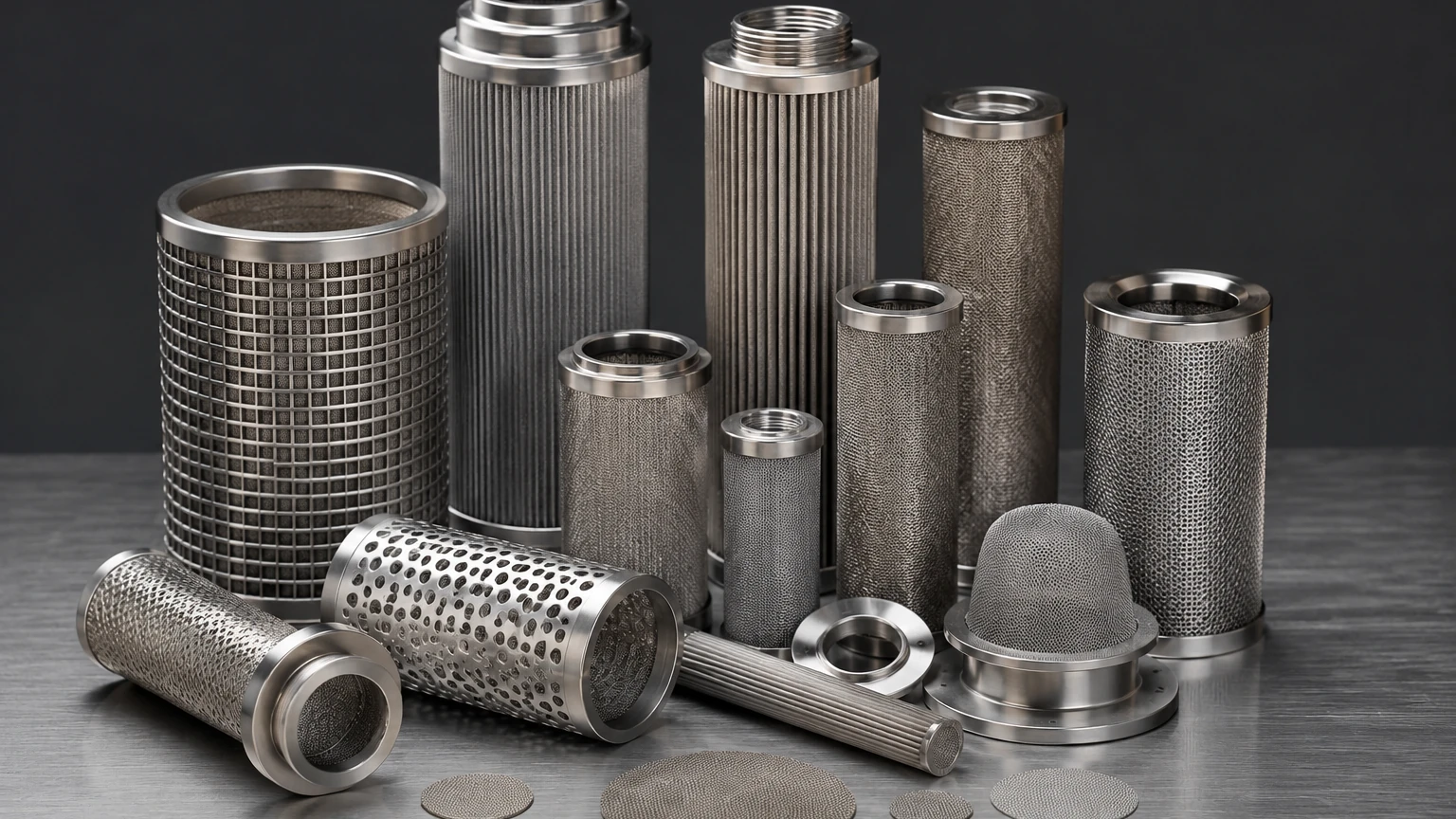
Customization and OEM Solutions
Off-the-shelf filtration products often fail to meet the specific spatial or performance constraints of specialized oil and gas installations. Custom-engineered filtration solutions allow for the optimization of housing dimensions, connection types (such as NPT, flanged, or welded), and internal support structures.
Working with a manufacturer that specializes in custom stainless steel filtration allows engineers to specify the exact wire mesh weave (e.g., plain, twilled, or dutch weave) required for their specific particulate profile. Customization also extends to the integration of filtration components into larger OEM equipment, ensuring that the filter is an integrated part of the machine's design rather than an afterthought.
Maintenance and Performance Monitoring
To ensure the longevity of oil and gas filtration equipment, a proactive maintenance strategy is required. This includes:
* Scheduled Inspections: Regularly checking housings for signs of corrosion or seal degradation.
* Differential Pressure Monitoring: Utilizing automated sensors to alert operators when the filter reaches 70-80% of its terminal ΔP.
* Fluid Analysis: Periodically analyzing the contaminants trapped by the filter can provide valuable insights into the health of upstream equipment. For example, a sudden increase in metallic shavings may indicate a failing pump elsewhere in the system.
Conclusion
Selecting effective oil and gas filtration equipment is a technical challenge that requires balancing material compatibility, filtration precision, and operational durability. By prioritizing high-quality stainless steel components and understanding the engineering principles of flow and pressure, operators can significantly enhance the reliability of their systems. For those seeking specialized guidance on selecting or designing the ideal filtration component, it is advisable to Review product options and application support on the Kaifil Main Page to ensure the solution aligns with specific industrial requirements.
As the industry moves toward more challenging environments—including ultra-deepwater extraction and complex unconventional plays—the role of precision-engineered filtration will only grow in importance. Investing in robust, custom-tailored filtration solutions is the most effective way to ensure long-term process stability and equipment protection.
