


Oil Drilling Casing
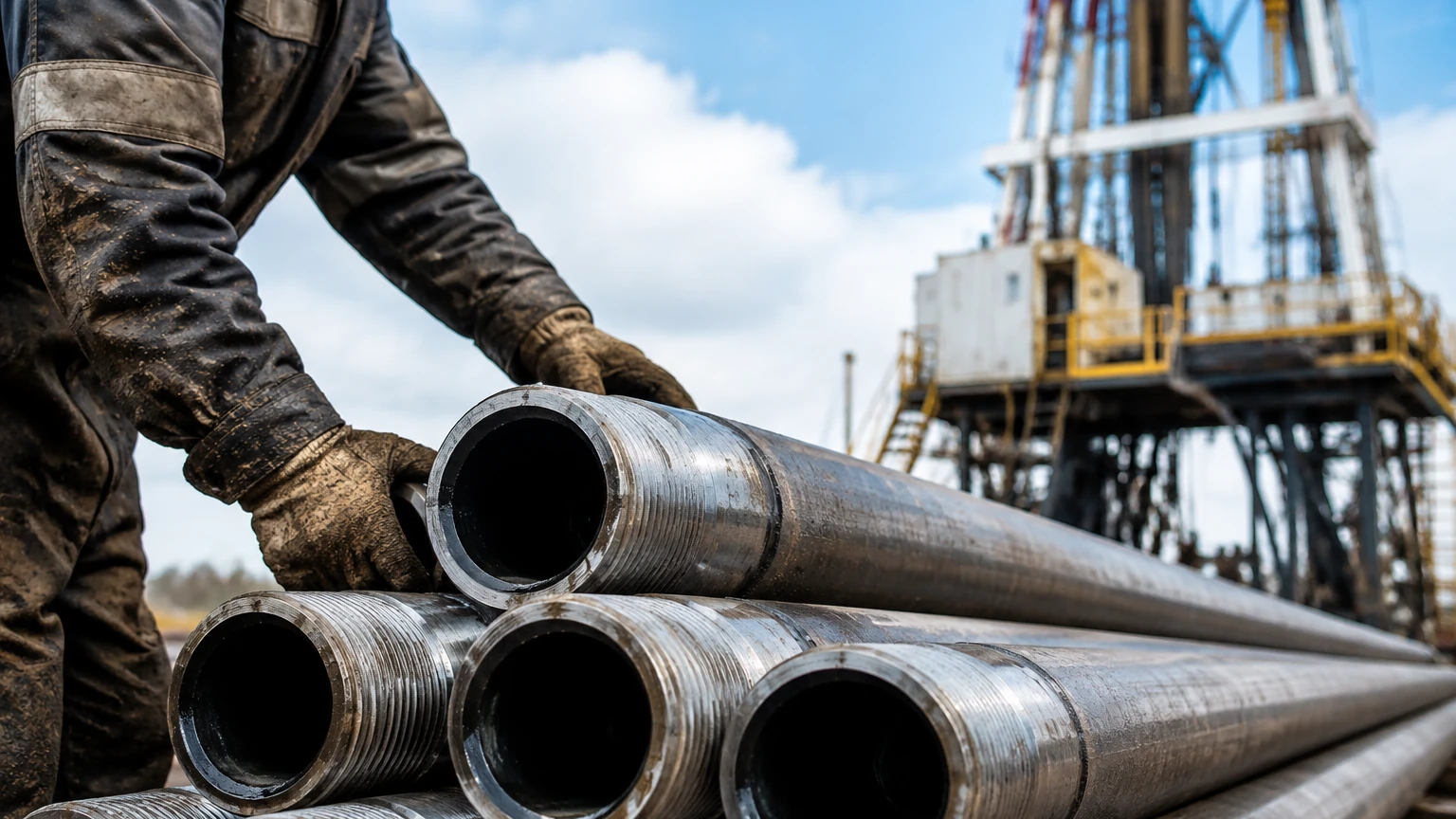
In the complex architecture of a petroleum well, oil drilling casing serves as the primary structural retainer for the borehole. It is a series of steel pipes that are inserted into a recently drilled section of a borehole and cemented into place. For engineers and procurement specialists, understanding the integration of casing with downhole filtration systems is critical for ensuring well longevity, preventing formation collapse, and optimizing the flow of hydrocarbons while filtering out destructive particulates.
As wells reach greater depths and encounter more challenging geological formations, the technical requirements for oil drilling casing and its associated completion components have become increasingly stringent. This guide examines the engineering considerations, material selection, and the vital role of precision filtration in maintaining the integrity of the casing string.
The Primary Functions of Oil Drilling Casing
Oil drilling casing is not merely a conduit for oil and gas; it is a multi-functional engineering component designed to withstand extreme mechanical and environmental stresses. The primary objectives of installing casing include:
1. Maintaining Wellbore Stability: The casing prevents the borehole from caving in, especially in unconsolidated formations or high-pressure zones.
2. Zonal Isolation: By cementing the casing in place, operators can prevent the migration of fluids between different subsurface layers. This is essential for protecting freshwater aquifers from contamination and preventing the cross-flow of fluids between different hydrocarbon reservoirs.
3. Pressure Control: Casing provides a high-pressure environment that allows for the safe installation of blowout preventers (BOPs) and other wellhead equipment. It must be capable of withstanding both internal burst pressures and external collapse pressures.
4. Housing for Completion Equipment: The production casing string provides the environment for installing production tubing, packers, and critical filtration components such as sand screens.
Types of Casing Strings and Their Engineering Requirements
A typical well involves several layers of casing, each serving a specific purpose based on the depth and the geological characteristics of the strata.
Conductor Casing
The first and largest diameter pipe, usually installed to prevent the top of the well from eroding or caving in. It supports the weight of subsequent casing strings.
Surface Casing
This string is designed to protect groundwater zones and provide a base for the blowout preventer. In many jurisdictions, the depth of surface casing is strictly regulated to ensure environmental safety.
Intermediate Casing
Used in deeper wells, intermediate casing is installed to isolate unstable formations, high-pressure zones, or lost circulation zones that could jeopardize the drilling process at greater depths.
Production Casing
This is the final string of casing and the most critical for the long-term viability of the well. It extends into the hydrocarbon-bearing formation. In many completions, the production casing is where precision filtration components, such as stainless steel wire mesh screens, are integrated to manage sand production.
Sand Control and Filtration within the Casing String
One of the most significant challenges in oil and gas production is the management of formation sand. If sand is allowed to enter the production stream, it can cause severe erosion of downhole pumps, valves, and surface equipment, leading to costly workovers and production downtime.
In the context of oil drilling casing, filtration is achieved through the use of specialized screens. These are often categorized as:
* Slotted Liners: Simple pipes with machined slots. While cost-effective, they offer limited filtration accuracy.
* Wire-Wrapped Screens: These consist of a wedge-shaped wire wrapped around a perforated base pipe. They offer better flow areas than slotted liners.
* Premium Mesh Screens: These utilize multiple layers of stainless steel wire mesh, often sintered together for maximum structural integrity. These components provide precise micron ratings and are essential for fine sand control in high-flow environments.
For engineers seeking to optimize these systems, understanding the technical specifications of the filtration media is paramount. You can Review product options and application support on our Main Page to see how custom stainless steel filtration solutions are engineered for these demanding environments.
Material Selection for Downhole Environments
The longevity of oil drilling casing and its internal filtration components depends heavily on material science. Downhole environments are often corrosive, containing hydrogen sulfide (H2S), carbon dioxide (CO2), and high concentrations of chlorides in brine.
Stainless Steel Alloys
For filtration components integrated into the casing string, stainless steel is the industry standard due to its corrosion resistance and mechanical strength. Common grades include:
* 304/304L: Suitable for mildly corrosive environments with low chloride content.
* 316/316L: The preferred choice for most industrial filtration due to the addition of molybdenum, which enhances resistance to pitting and crevice corrosion.
* Duplex Stainless Steels: Used in highly aggressive environments where both high strength and superior resistance to stress corrosion cracking are required.
Mechanical Properties
Beyond corrosion resistance, materials must exhibit high tensile strength to support the weight of the string and high collapse resistance to withstand the hydrostatic pressure exerted by the surrounding formation and drilling fluids.
Engineering Considerations for Filtration Accuracy
When selecting filtration components for use within oil drilling casing, engineers must balance filtration efficiency with flow capacity (permeability).
1. Micron Rating: The filtration accuracy is defined by the size of the particles the mesh can effectively block. This must be matched to the Particle Size Distribution (PSD) of the formation sand. If the mesh is too coarse, sand will pass through; if it is too fine, the filter may plug prematurely (skin effect).
2. Pore Geometry: The shape and distribution of pores in the stainless steel wire mesh affect the pressure drop across the screen. Sintered mesh structures provide a stable pore geometry that does not shift under high pressure.
3. Mechanical Reinforcement: Because downhole filters are subjected to high differential pressures during production and injection, the filtration mesh is often supported by coarser drainage layers and a perforated metal core.
Installation and Cementing Challenges
The process of "running casing" and the subsequent cementing operation are high-risk phases of well construction. If the casing is not properly centered in the borehole, the cement sheath may be uneven, leading to potential leaks or structural failure.
Centralizers are used to keep the oil drilling casing in the middle of the hole. Furthermore, during the cementing process, the filtration zones (if using pre-perforated or screen-integrated casing) must be protected or isolated using external casing packers (ECPs) to ensure that cement does not plug the filtration media, which would render the well unproductive.
Total Cost of Ownership and Reliability
In B2B procurement for oilfield equipment, the initial purchase price of oil drilling casing and filtration components is only one part of the economic equation. The "Total Cost of Ownership" (TCO) includes:
* Installation Time: High-quality casing with precision-machined threads (Premium Connections) reduces the risk of cross-threading and speeds up the rig time.
* Well Longevity: Using superior stainless steel filtration components reduces the frequency of sand-related workovers, which can cost millions of dollars in offshore environments.
* Production Rates: Optimized filtration media minimize pressure drop, allowing for higher flow rates and faster return on investment.
Customization is often required to meet the specific needs of a reservoir. Manufacturers like Kaifil specialize in providing OEM and customized stainless steel filter cartridges and wire mesh components that can be integrated into specialized casing and completion designs.
Conclusion
Oil drilling casing is the backbone of well integrity, and its performance is inextricably linked to the filtration systems it houses. By selecting the appropriate casing grade and pairing it with high-performance stainless steel filtration components, engineers can ensure a stable, productive, and long-lasting well. When evaluating filtration options, it is essential to consider the chemical environment, the physical characteristics of the formation sand, and the mechanical stresses the system will encounter over its operational life. For more detailed technical specifications on precision filtration components, professionals should consult with manufacturers who understand the rigors of industrial and downhole applications.
