


Oil Field Casing
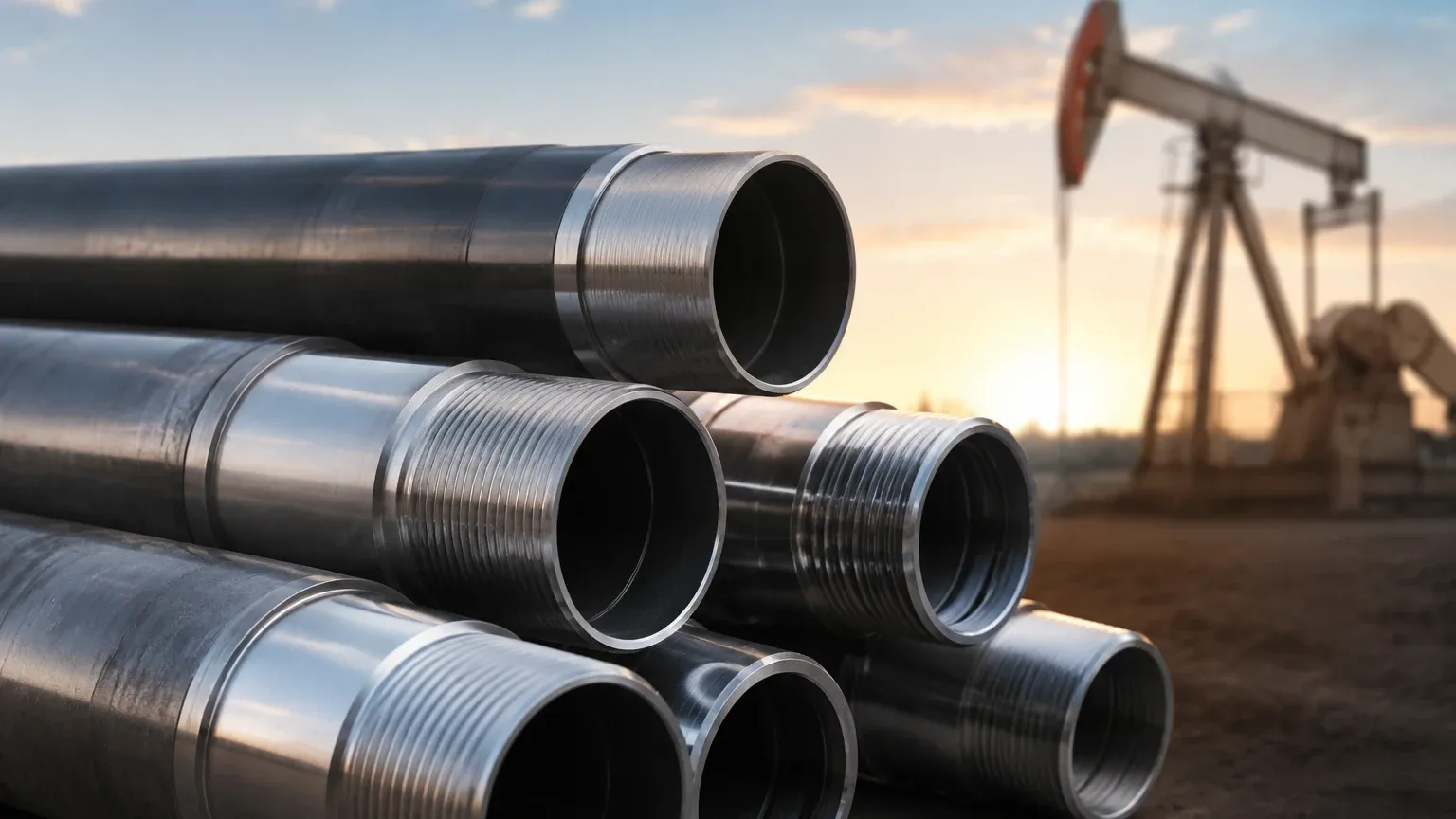
Oil field casing is a fundamental structural component in the drilling and completion of oil and gas wells. It consists of a series of steel pipes that are inserted into a recently drilled wellbore and cemented in place. The primary purpose of oil field casing is to provide structural integrity to the well, preventing the surrounding geological formations from collapsing into the borehole while simultaneously protecting groundwater from contamination by drilling fluids or hydrocarbons.
For engineers and procurement specialists, understanding the technical specifications and material requirements of oil field casing is essential for ensuring the longevity and safety of the well. As wells reach greater depths and encounter more aggressive chemical environments, the selection of casing materials and the integration of precision filtration components become critical factors in operational success.
The Essential Functions of Oil Field Casing Strings
The installation of oil field casing is not a single event but a multi-stage process involving several "strings" of pipe, each serving a specific engineering purpose. These strings are categorized based on their depth and function within the well architecture.
1. Conductor Casing
The conductor casing is the first string to be installed. It is typically the largest in diameter and is driven or drilled into the ground to a shallow depth. Its main function is to prevent the topsoil and loose surface formations from washing away during the initial drilling phases. It also provides a base for the wellhead and the blowout preventer (BOP) stack.
2. Surface Casing
Surface casing is designed to protect freshwater aquifers from contamination. It isolates the wellbore from the water table and provides structural support for the subsequent, heavier casing strings. Regulatory requirements often dictate the depth of surface casing to ensure environmental safety.
3. Intermediate Casing
In deeper wells, intermediate casing is used to isolate unstable formations, high-pressure zones, or lost circulation zones. This allows drilling to continue to the target depth without risking wellbore instability or blowouts. Engineers must carefully calculate the burst and collapse pressures for intermediate strings, as they often face the most volatile downhole conditions.
4. Production Casing
The production casing, or the "long string," is the final layer that extends to the hydrocarbon-bearing reservoir. This string must withstand the internal pressure of the produced fluids and the external pressure of the formation. It is within this section that completion equipment, including sand control screens and filtration assemblies, is most frequently deployed.
Technical Considerations in Casing Material Selection
Selecting the correct material for oil field casing involves a complex evaluation of mechanical strength, corrosion resistance, and thermal stability. While carbon steel is the industry standard for many applications, specialized environments—such as those found in offshore drilling or high-sulfur "sour" wells—require advanced alloys.
Mechanical Properties
Engineers evaluate casing based on three primary mechanical limits:
* Collapse Pressure: The external pressure at which the casing wall will fail inward. This is critical in deep-water applications or high-pressure formations.
* Burst Pressure: The internal pressure that would cause the casing to rupture. This is a vital consideration during hydraulic fracturing or high-pressure production.
* Tensile Strength: The ability of the casing string to support its own weight, which can be millions of pounds in deep wells.
Corrosion Resistance and Stainless Steel Alloys
In many modern wells, the presence of hydrogen sulfide (H2S) and carbon dioxide (CO2) creates a highly corrosive environment. Standard carbon steel can suffer from sulfide stress cracking (SSC) or hydrogen-induced cracking (HIC). In these scenarios, the use of stainless steel or high-chromium alloys is necessary.
For filtration components integrated into the casing, such as sand control screens, the use of 304 or 316L stainless steel is common due to their excellent resistance to pitting and crevice corrosion. For more extreme environments, duplex stainless steels or nickel-based alloys may be required to maintain the integrity of the filtration media over the decades-long lifespan of a well.
The Intersection of Casing and Industrial Filtration
While the casing provides the structural shell of the well, the interface between the casing and the reservoir is where filtration technology is most critical. In many completions, the production casing is perforated, or a "liner" (a casing string that does not extend to the surface) is used in conjunction with sand control systems.
Sand production is a major challenge in oil and gas extraction. Producible solids can erode downhole equipment, clog production tubing, and damage surface separators. To mitigate this, engineers utilize specialized filtration components, such as wire-wrapped screens or metal mesh filters, which are often integrated directly into the casing or liner assembly.
These filtration solutions must be engineered with high precision. The pore size of the filter media must be small enough to bridge and retain formation sand while remaining large enough to allow the free flow of hydrocarbons. This balance is achieved through the use of multi-layered stainless steel wire mesh or sintered metal fibers, which provide both the necessary filtration accuracy and the mechanical durability to survive the installation process within the oil field casing.
Engineering Challenges: Sand Control and Particulate Management
In the context of oil field casing, sand control is not merely about blocking particles; it is about managing the flow dynamics of the reservoir. There are several methods for integrating filtration into the casing environment:
Slotted Liners
This is the simplest form of sand control, where the casing or liner has machined slots. However, slotted liners have limited open area and are prone to plugging and erosion in high-velocity wells.
Wire-Wrapped Screens
These consist of a perforated base pipe (a section of oil field casing) wrapped with a V-shaped stainless steel wire. The gap between the wires is precisely controlled to filter out specific grain sizes of sand. The V-shape helps minimize plugging by ensuring that particles only have two points of contact with the wire.
Premium Metal Mesh Filters
For more demanding applications, premium screens utilize multiple layers of stainless steel wire mesh. These layers provide depth filtration and high permeability. Because these components must be run into the well inside the casing, they must be designed to withstand high torque, compression, and tension forces during deployment. For those seeking advanced technical data on these components, you can Review product options and application support to understand how custom metal filtration integrates with industrial casing requirements.
Installation and Cementing Procedures
The integrity of oil field casing depends heavily on the quality of the cement job. Once the casing string is lowered into the wellbore, cement is pumped down the center of the pipe and forced up the annulus (the space between the casing and the wellbore wall).
Effective cementing serves several roles:
1. Zonal Isolation: It prevents the migration of fluids between different geological layers.
2. Structural Support: It bonds the casing to the rock formation, increasing its resistance to collapse and axial loads.
3. Corrosion Protection: It provides a chemical barrier between the external casing wall and corrosive formation fluids.
Engineers must use centralizers to ensure the casing is positioned in the middle of the hole, allowing for a uniform cement sheath. Any gaps or "channels" in the cement can lead to casing failure or environmental leaks.
Selection Criteria for Purchasing Teams
When procuring oil field casing and associated filtration components, purchasing teams should focus on the total cost of ownership rather than the initial capital expenditure. A failure in a casing string can result in the loss of a multi-million dollar well and significant environmental liabilities.
Key evaluation criteria include:
* Compliance with Standards: Ensure all casing meets API (American Petroleum Institute) specifications or equivalent international standards for dimensions, weight, and grade.
* Customization Options: In complex reservoirs, off-the-shelf solutions may be insufficient. Working with manufacturers who can provide custom stainless steel filtration components tailored to specific sand grain distributions is essential.
* Material Traceability: Given the harsh environments, verify the metallurgical certificates of the casing and filter media to ensure they meet the required corrosion resistance levels.
* Performance Expectations: Request data on the burst, collapse, and tensile limits, as well as the expected flow rates and pressure drops across filtration interfaces.
Maintenance and Lifecycle Management
Oil field casing is intended to last for the duration of the well's productive life, which can span 20 to 50 years. However, the internal environment of the casing must be monitored. Workover operations may be required to clean out scale, paraffin, or fine sediments that have bypassed initial filtration stages.
In some cases, a "casing-within-casing" repair method, known as a casing patch or liner, is used to seal leaks or reinforce sections that have thinned due to corrosion. The use of high-quality, corrosion-resistant materials during the initial completion phase significantly reduces the frequency and cost of these interventions.
Conclusion
Oil field casing is the backbone of well integrity, providing the necessary structure to safely and efficiently extract energy resources. From the initial conductor pipe to the final production string, every component must be engineered to withstand extreme physical and chemical stresses. By integrating advanced filtration technologies and selecting high-performance materials like stainless steel, engineers can optimize production and ensure the long-term viability of their assets. Understanding the synergy between casing design and particulate management is the key to successful well completion and reservoir management.
