


Oil Filter Socks
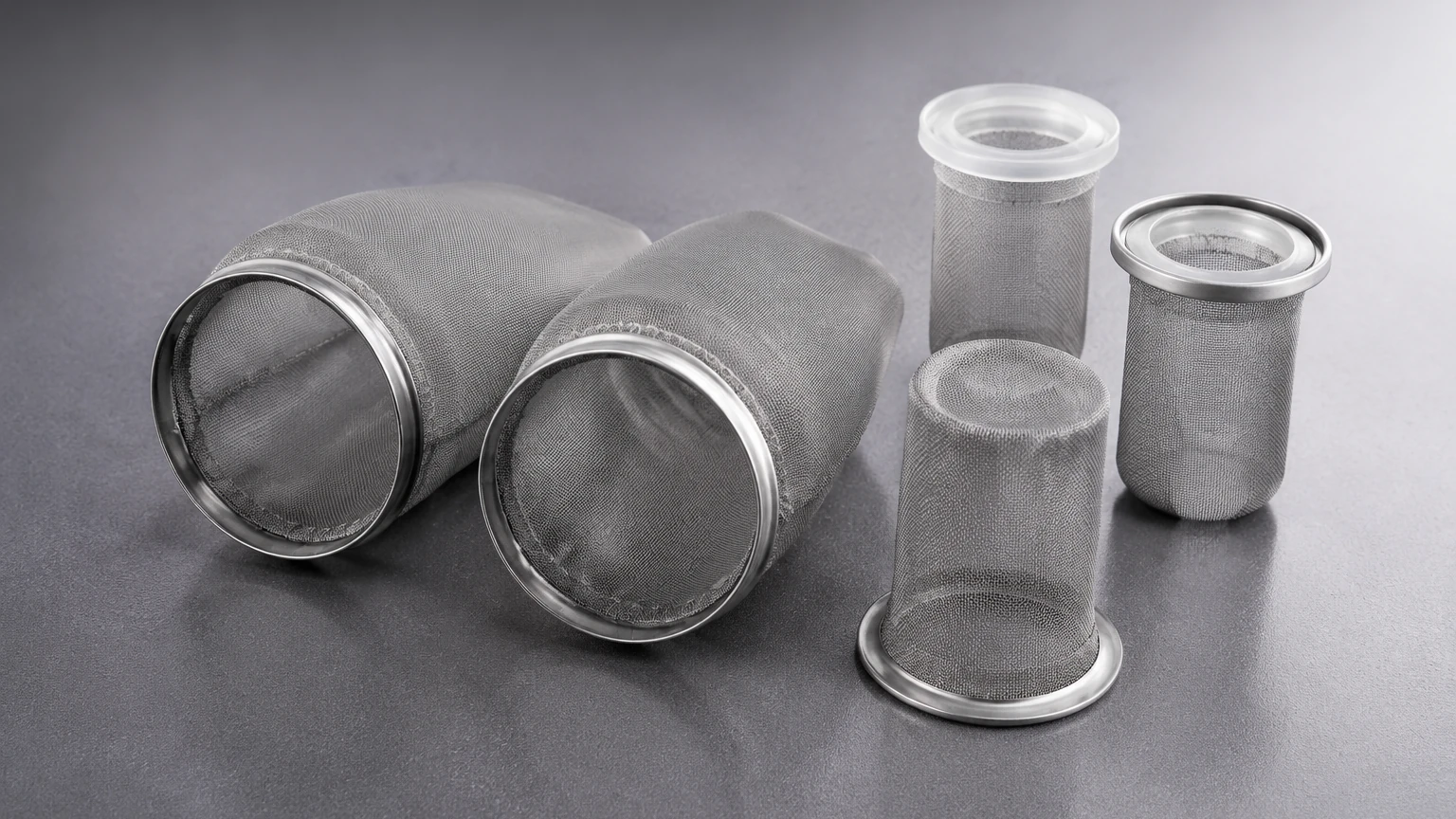
In industrial fluid management, the integrity of a system often depends on the efficiency of its primary filtration stages. Oil filter socks serve as a critical first line of defense, designed to capture coarse particulate matter and contaminants before they reach sensitive downstream components or secondary filtration media. While the term "sock" often implies a fabric or felt construction, industrial-grade applications increasingly demand the durability and precision of stainless steel wire mesh variants. These components are essential for maintaining fluid cleanliness in hydraulic systems, chemical processing lines, and fuel distribution networks.
For engineers and procurement specialists, selecting the appropriate oil filter socks involves understanding the interplay between material science, fluid dynamics, and the specific environmental rigors of the application. High-performance filtration solutions must balance the need for high flow rates with the necessity of capturing harmful debris that could lead to equipment wear or system failure.
The Function and Necessity of Pre-Filtration
The primary role of oil filter socks is pre-filtration. In systems where large volumes of oil or hydraulic fluid are circulated, the fluid is susceptible to contamination from various sources, including atmospheric dust, metallic wear particles, and residual debris from the manufacturing process. If these contaminants are allowed to reach high-precision secondary filters or sensitive pumps, they can cause rapid clogging, increased pressure drops, and mechanical erosion.
By utilizing a sock-style filter at the inlet or within a reservoir, operators can significantly extend the service life of more expensive secondary filter cartridges. The geometry of a "sock"—typically a cylindrical or conical sleeve—provides a large surface area relative to its footprint. This design allows for high dirt-holding capacity, ensuring that the system can operate for longer intervals between maintenance cycles. In many industrial settings, these filters are installed at the filling point of a tank to ensure that any fluid entering the system is pre-screened for bulk contaminants.
Material Engineering: Stainless Steel vs. Synthetic Media
When specifying oil filter socks, the choice of material is the most significant factor affecting performance and longevity. While synthetic materials like polyester or polypropylene felt are common in low-pressure, disposable applications, stainless steel wire mesh is the standard for demanding industrial environments.
Stainless Steel 304 and 316L
Stainless steel provides exceptional resistance to corrosion and high temperatures, which is vital when dealing with heated oils or aggressive chemical additives. Grade 304 is suitable for most general industrial oils, while Grade 316L is preferred for environments involving high salinity or corrosive chemical exposure. Unlike synthetic fibers, stainless steel mesh does not shed fibers into the fluid stream, a phenomenon known as media migration that can contaminate the very system the filter is intended to protect.
Wire Mesh Weave Types
The performance of a metal oil filter sock is dictated by its weave. Plain square weaves offer high open areas and low pressure drops, making them ideal for coarse filtration. For finer filtration requirements, Dutch weave patterns provide a more complex, tortuous path for the fluid, allowing for higher precision while maintaining the structural integrity of the mesh under pressure. The rigidity of stainless steel also ensures that the filter maintains its shape and pore size even under fluctuating flow conditions, which is a common failure point for fabric socks.
Technical Specifications: Micron Ratings and Flow Dynamics
Understanding the technical parameters of oil filter socks is essential for correct sizing and integration. Engineers must evaluate the filtration accuracy, typically measured in microns (μm), and how it relates to the system's flow requirements.
1. Filtration Accuracy (Micron Rating): Oil filter socks are generally used for coarse to medium filtration, with ratings typically ranging from 50 microns to over 1000 microns. It is important to distinguish between nominal and absolute ratings. A nominal rating indicates the filter's ability to retain a majority of particles at that size, while an absolute rating (common in high-precision wire mesh) guarantees the retention of all particles above the specified dimension.
2. Pressure Drop (ΔP): Every filter introduces a resistance to flow. An ideal oil filter sock provides the necessary filtration with the lowest possible pressure drop. As the filter accumulates debris, the ΔP increases. In hydraulic systems, an excessive pressure drop can lead to cavitation in pumps, making it critical to select a mesh with an optimized open area.
3. Flow Rate Capacity: The surface area of the sock directly impacts the maximum allowable flow rate. Customizing the length and diameter of the sock allows engineers to match the filter to the specific pump outputs of their machinery without inducing turbulence or excessive backpressure.
Industrial Applications and Compatibility
Oil filter socks are utilized across a broad spectrum of industries, each with unique requirements for fluid purity and chemical compatibility.
* Hydraulic and Lubrication Systems: In heavy machinery and manufacturing equipment, oil filter socks are used in the return lines or suction inlets of reservoirs. They protect the system from large metal shavings and environmental grit that can damage valves and cylinders.
* Chemical and Petrochemical Processing: Filtration components in these sectors must withstand volatile fluids and varying pH levels. Stainless steel socks are often the only viable option due to their chemical inertness and ability to be cleaned and reused.
* Food and Beverage Production: For systems involving edible oils or food-grade lubricants, filters must meet stringent sanitary standards. Stainless steel wire mesh is non-toxic and can withstand the high-temperature steam cleaning (CIP) processes required in these facilities.
* Marine and Power Generation: Large-scale diesel engines and turbines require massive volumes of clean oil. Filter socks in these applications are often large-scale components designed to handle high-velocity fluid transfer while removing contaminants that could cause catastrophic engine failure.
For more detailed information on technical specifications and custom manufacturing capabilities, you can visit the Main Page of our technical resource center.
Maintenance, Cleaning, and Total Cost of Ownership
One of the primary advantages of stainless steel oil filter socks over disposable fabric versions is their reusability. While the initial capital expenditure for a metal filter is higher, the total cost of ownership (TCO) is often significantly lower over the life of the equipment.
Cleaning Protocols
Unlike synthetic socks that must be discarded once saturated, stainless steel mesh can be cleaned using ultrasonic baths, backwashing, or chemical solvents. This capability is particularly beneficial in remote industrial sites where the logistics of storing and disposing of large quantities of oily waste filters are problematic. A properly maintained stainless steel filter can last for years, providing consistent performance without the risk of media degradation.
Monitoring Performance
To optimize the replacement or cleaning cycle, industrial systems should be equipped with differential pressure gauges. By monitoring the pressure across the oil filter sock, maintenance teams can transition from schedule-based maintenance to condition-based maintenance. This prevents unnecessary downtime while ensuring the system is never operated with a compromised or bypassed filter.
Engineering Considerations for Customization
Standard off-the-shelf filtration solutions often fail to meet the specific spatial or performance constraints of specialized industrial equipment. Customization is frequently required to ensure a perfect fit and optimal performance. When working with a manufacturer to develop custom oil filter socks, several engineering data points must be confirmed:
* Flange and Interface Design: The method of attachment—whether it be a snap-band, a rigid flange, or a threaded connection—is vital for ensuring a bypass-free seal. A filter is only as effective as its seal; any gap allows unfiltered oil to circulate through the system.
* Structural Reinforcement: In high-flow applications, the mesh may require support from a perforated metal core or an external cage to prevent collapsing or bursting under pressure.
* Dimensional Constraints: Custom lengths and diameters allow for the maximization of surface area within existing tank footprints or housing geometries.
Selecting the Right Filtration Partner
Choosing the correct oil filter socks requires a deep understanding of the specific particulate challenges and fluid characteristics of your application. It is not merely about finding a part that fits, but about engineering a solution that enhances the reliability of the entire system. Technical professionals should look for manufacturers who provide comprehensive material certifications, precise mesh specifications, and the engineering support necessary to handle complex OEM requirements.
By focusing on high-quality materials like stainless steel and adhering to rigorous engineering standards, companies can reduce equipment downtime, lower maintenance costs, and ensure the long-term health of their industrial fluid systems. Whether for a new system design or an upgrade to an existing process, the right filtration component is an investment in operational stability.
