


Oil Filter System
In industrial environments, an oil filter system is not merely a peripheral component but a critical safeguard for the longevity and efficiency of machinery. Whether utilized in hydraulic circuits, turbine lubrication, or chemical processing, the primary function of these systems is to remove contaminants—such as metal wear particles, silica, and organic sludge—that can lead to component failure and unplanned downtime. For engineers and procurement teams, selecting the right filtration architecture requires a deep understanding of fluid dynamics, material compatibility, and the specific demands of the operational environment.
As a manufacturer specializing in custom stainless steel filtration solutions, Kaifil provides the technical components necessary to build robust systems capable of withstanding high pressures and corrosive fluids. Understanding the nuances of an industrial oil filter system ensures that the chosen solution meets the rigorous standards of modern manufacturing. For more information on custom filtration components, you can visit the Main Page.
Core Components of an Industrial Oil Filter System
A comprehensive oil filter system consists of several integrated components designed to manage fluid flow while capturing particulates. Understanding these elements is essential for system design and maintenance.
1. Filter Housing (Pressure Vessel)
The housing is the outer shell that contains the filter element. In industrial settings, these are often constructed from carbon steel or stainless steel to handle high operating pressures. The housing design must account for the inlet and outlet port sizes to minimize flow restriction and ensure ease of access for element replacement or cleaning.
2. Filter Media and Elements
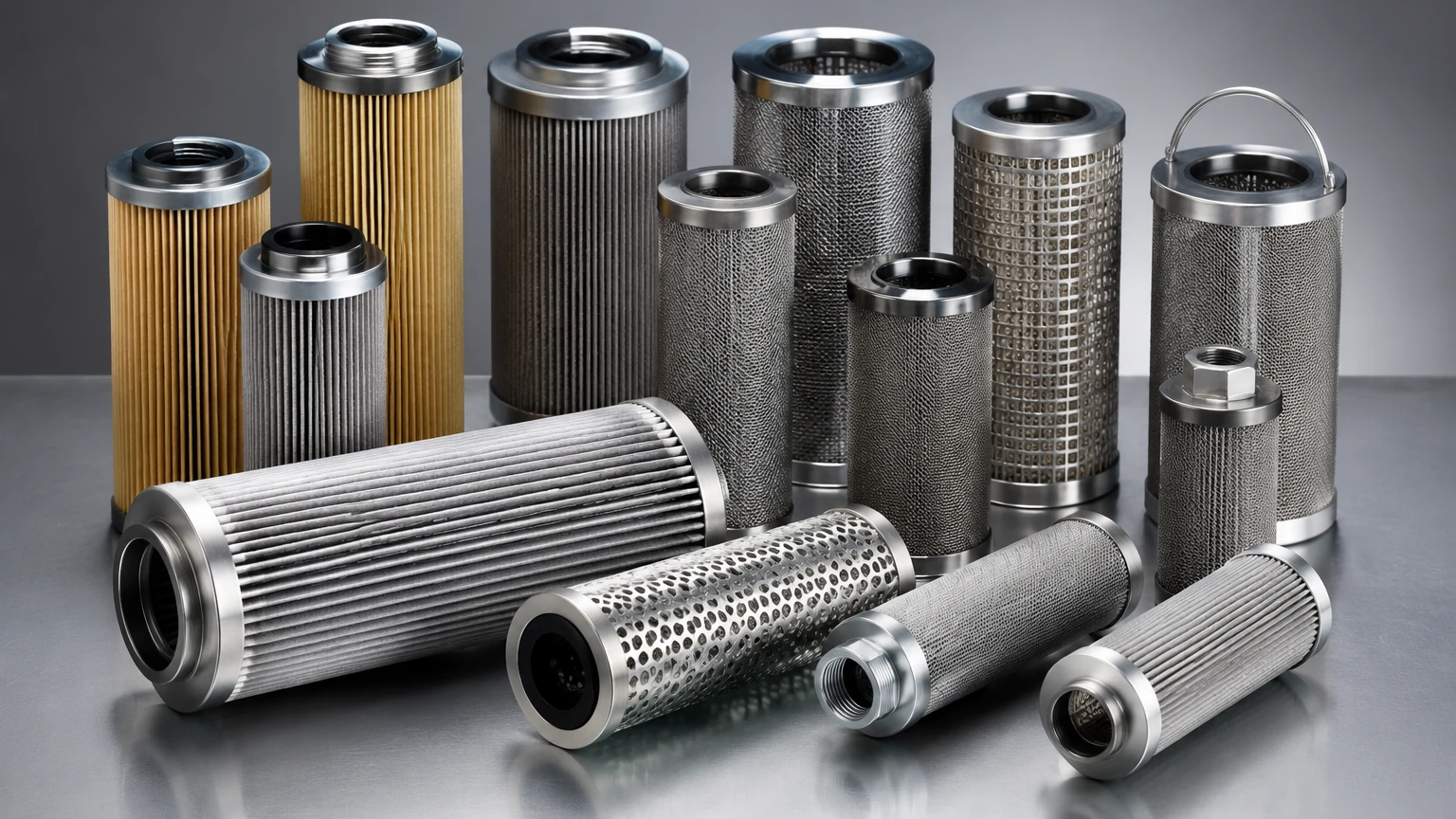
The filter element is the heart of the system. While many systems use disposable cellulose or fiberglass media, industrial applications increasingly rely on stainless steel wire mesh or sintered metal cartridges. These materials offer superior structural integrity and the ability to be cleaned and reused, which is a significant factor in reducing the total cost of ownership.
3. Bypass Valves and Indicators
To prevent system starvation, most oil filter systems include a bypass valve. If the filter becomes excessively clogged, the valve opens to allow oil to bypass the media, ensuring the machinery remains lubricated, albeit with unfiltered oil. Differential pressure (Delta P) indicators are used to monitor the pressure drop across the filter, signaling when maintenance is required before the bypass threshold is reached.
4. Seals and Gaskets
Material compatibility is paramount when selecting seals. Depending on the type of oil (mineral, synthetic, or phosphate ester) and the operating temperature, seals may be made of Nitrile (Buna-N), Viton (FKM), or EPDM. Using incompatible seals leads to leaks and system failure.
Engineering Considerations for Filter Selection
Selecting an oil filter system is an engineering exercise that balances filtration efficiency with system performance. Several variables must be quantified during the specification phase.
Viscosity and Temperature Relationship
Oil viscosity is highly sensitive to temperature. A system designed for oil at an operating temperature of 60°C may experience excessive pressure drops during a cold start at 10°C. Engineers must calculate the maximum pressure drop based on the highest expected viscosity to ensure the filter housing and media can withstand the initial surge without triggering the bypass valve.
Micron Rating: Absolute vs. Nominal
* Nominal Rating: This is an arbitrary micrometer value indicated by the manufacturer. It represents the filter's ability to retain a percentage of solids of a specific size. It is not a guarantee of total removal.
* Absolute Rating: This refers to the diameter of the largest hard spherical particle that will pass through the filter under specified test conditions. In critical hydraulic or high-precision systems, absolute-rated stainless steel mesh is often preferred for its predictable performance.
Beta Ratio (Efficiency)
The Beta Ratio (β) is the standard method for expressing a filter's capture efficiency. It is calculated by dividing the number of particles upstream of the filter by the number of particles downstream. For example, a β10 = 200 rating means that for every 200 particles of 10 microns entering the filter, only one passes through, indicating 99.5% efficiency.
The Advantages of Stainless Steel Media in Oil Filtration
In many B2B industrial sectors, the shift toward stainless steel filtration components is driven by the need for durability and sustainability. Unlike disposable elements, stainless steel wire mesh filters offer several distinct advantages:
1. High Temperature Resistance: Stainless steel can operate in environments exceeding 250°C, where synthetic or paper media would degrade or lose structural integrity.
2. Chemical Compatibility: For systems involving synthetic oils or aggressive chemical additives, stainless steel provides excellent corrosion resistance.
3. Cleanability: Stainless steel elements can be cleaned via ultrasonic baths or backwashing, making them ideal for systems where frequent element replacement is logistically difficult or environmentally costly.
4. Pressure Stability: Sintered or pleated stainless steel mesh can withstand high differential pressures without collapsing, ensuring consistent filtration even during pressure spikes.
Types of Oil Filter System Configurations
Depending on the criticality of the equipment and the level of contamination, different system architectures are employed.
Full-Flow Filtration
In a full-flow oil filter system, 100% of the oil pumped through the circuit passes through the filter before reaching the lubricated components. This provides maximum protection but requires the filter to be sized for the full pump flow rate, often resulting in larger housing requirements.
Bypass (Kidney Loop) Filtration
A bypass system diverts a small portion of the oil (typically 5-10%) through a high-efficiency, fine-micron filter and then returns it to the reservoir. Because the flow rate is low, these systems can achieve very high cleanliness levels without affecting the main system pressure. Kidney loops are often used as supplemental filtration to maintain ISO cleanliness codes in large hydraulic reservoirs.
Duplex Filtration
For continuous processes that cannot be shut down for maintenance, a duplex oil filter system is used. This configuration consists of two identical filter housings connected by a changeover valve. When one filter reaches its dirt-holding capacity, the flow is diverted to the second filter, allowing the first to be serviced without interrupting the operation.
Industry-Specific Applications
Hydraulic Systems
Hydraulic components like servo valves have extremely tight tolerances. A single large particle can cause a valve to stick, leading to catastrophic failure. Oil filter systems in these applications must maintain strict ISO 4406 cleanliness levels, often requiring 3-micron to 10-micron absolute filtration.
Food and Beverage Processing
In the food industry, oil filtration is used for both machinery lubrication and the processing of edible oils. These systems require food-grade stainless steel (304 or 316L) to ensure no contaminants are introduced into the product stream and to facilitate rigorous CIP (Clean-In-Place) procedures.
Chemical and Petrochemical
Oil filter systems in chemical plants often handle fluids that are both lubricating and reactive. The use of custom-engineered metal filters ensures that the media does not react with the fluid, maintaining the purity of the process while protecting downstream pumps and instrumentation.
Maintenance and Performance Monitoring
An oil filter system is only as effective as its maintenance regime. Engineers should focus on the following to ensure optimal performance:
* Differential Pressure Monitoring: This is the most reliable indicator of filter health. A sudden drop in differential pressure may indicate a ruptured element, while a rapid increase suggests an upstream contamination event.
* Oil Analysis: Regular laboratory analysis of the oil can reveal the type of contaminants being captured (e.g., copper or iron), providing early warning signs of internal component wear.
* Replacement Cycles: While stainless steel filters are cleanable, they have a finite service life. Repeated cleaning cycles can eventually fatigue the mesh. Establishing a replacement schedule based on the number of cleanings or total hours of service is essential for risk mitigation.
Total Cost of Ownership (TCO) Considerations
When evaluating an oil filter system, the initial purchase price is only one part of the equation. Procurement teams should consider:
* Consumable Costs: The ongoing expense of purchasing, storing, and disposing of fiberglass or paper elements.
* Labor Costs: The time required for technicians to change filters and manage waste.
* Energy Consumption: A filter with a high clean pressure drop requires the pump to work harder, increasing energy costs over time.
* Downtime Risk: The cost of lost production if a filter fails or requires a system shutdown for replacement.
By investing in high-quality, reusable stainless steel filtration components, many industrial facilities find that the higher initial CAPEX is quickly offset by lower OPEX and improved system reliability.
Technical Checklist for Purchasing an Oil Filter System
Before finalizing a specification or placing an order, engineers should confirm the following data points with their manufacturer:
1. Fluid Type: Specific gravity and chemical composition of the oil.
2. Flow Rate: Minimum, normal, and maximum flow in liters per minute (LPM) or gallons per minute (GPM).
3. Operating Pressure: Normal operating pressure and maximum design pressure (including potential surges).
4. Temperature Range: Minimum start-up temperature and maximum operating temperature.
5. Target Cleanliness: The desired ISO 4406 code for the system.
6. Connection Standards: Flanged (ANSI/DIN), NPT, or SAE thread requirements.
7. Space Constraints: Physical dimensions available for the housing installation.
Kaifil's expertise in manufacturing custom stainless steel filter cartridges and wire mesh filters allows for the creation of components tailored to these exact specifications. Whether you are designing a new oil filter system or retrofitting an existing one to improve durability, choosing the right material and engineering partner is the first step toward operational excellence.
