


Oil Filtration Machine
In industrial environments, the longevity and reliability of machinery are inextricably linked to the purity of the lubricants and hydraulic fluids that power them. An oil filtration machine is a specialized piece of equipment designed to remove contaminants—including solid particulates, water, and gaseous impurities—from various types of industrial oils. Whether used in hydraulic systems, turbine lubrication, or metalworking processes, these machines ensure that the fluid remains within specified cleanliness levels, thereby preventing component wear, system downtime, and premature fluid degradation.
For engineers and maintenance professionals, selecting the right oil filtration machine involves more than just choosing a pump and a motor. It requires a deep understanding of the filtration media, the nature of the contaminants, and the operational parameters of the specific application. High-performance filtration often relies on precision-engineered components, such as stainless steel wire mesh and custom filter cartridges, to provide the durability and accuracy required for demanding industrial tasks.
Understanding the Functionality of an Industrial Oil Filtration Machine
An oil filtration machine operates by circulating oil through one or more filtration stages. The primary goal is to achieve a specific ISO 4406 cleanliness code, which quantifies the number of particles per milliliter of fluid across different size ranges (typically 4µm, 6µm, and 14µm).
The process generally begins with a suction stage where oil is drawn from a reservoir. A primary coarse filter or strainer often protects the pump from large debris. Once pressurized, the oil passes through fine filtration elements. Depending on the machine's design, it may also incorporate vacuum dehydration units to remove dissolved water or ionic exchange resins to manage acidity in synthetic fluids.
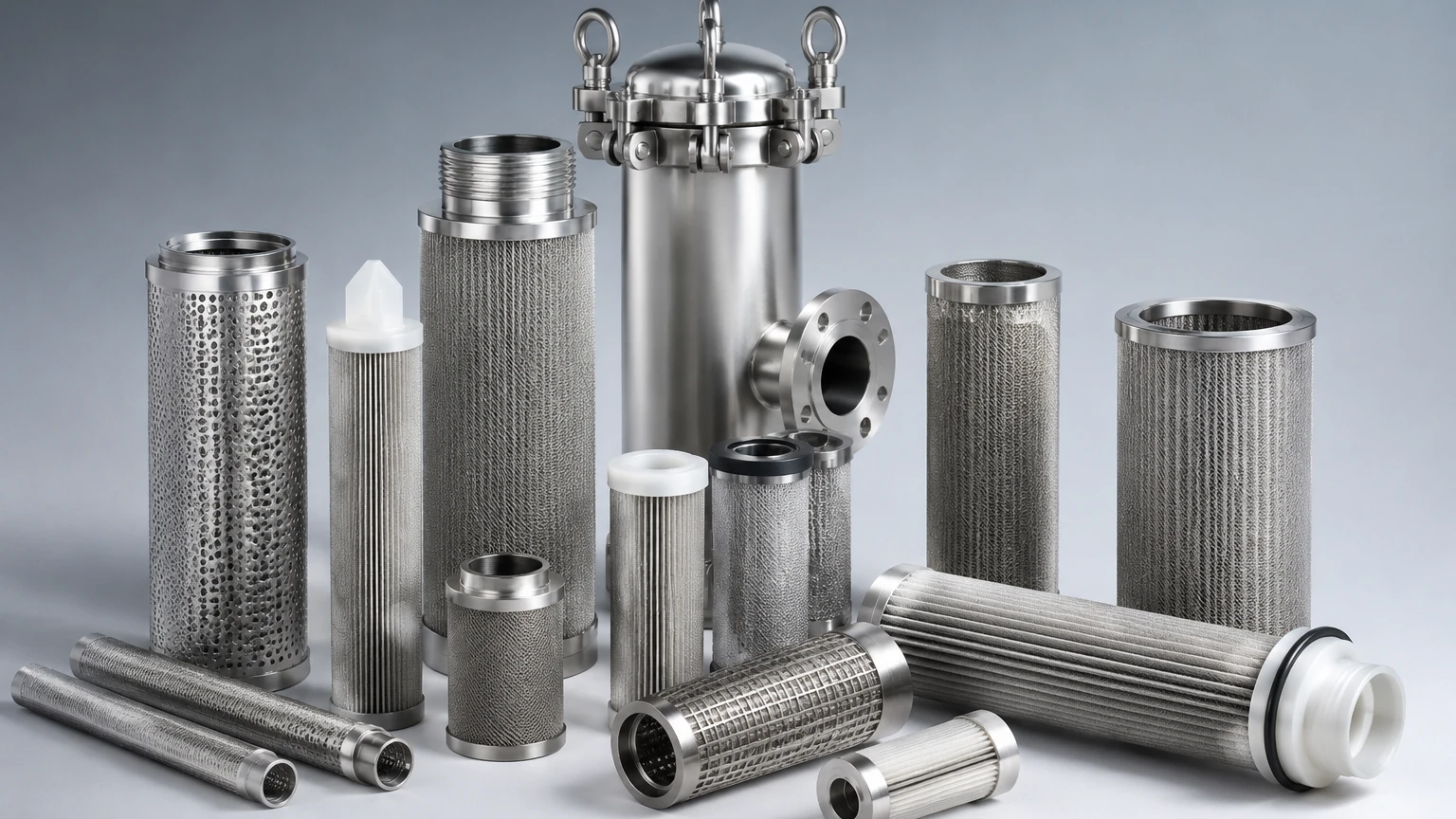
The efficiency of an oil filtration machine is largely determined by its filter elements. While disposable cellulose or synthetic fiber elements are common, many industrial applications require the robustness of stainless steel. Metal filter components offer superior resistance to high temperatures and chemical corrosion, making them essential for heavy-duty oil purification tasks.
Primary Types of Oil Filtration Systems
Oil filtration machines are categorized based on their mobility, filtration method, and the specific contaminants they are designed to target. Understanding these types is crucial for technical teams during the procurement phase.
Portable Filter Carts
Portable filter carts are versatile units used for "kidney loop" filtration. They are wheeled to various machines to clean oil while the equipment is in operation or to pre-filter new oil before it is added to a system. These units typically use high-capacity filter cartridges and are ideal for maintaining hydraulic reservoirs and gearboxes.
Vacuum Dehydration Units
When water contamination is a primary concern, a vacuum dehydration oil filtration machine is employed. These machines use a combination of heat and vacuum to lower the boiling point of water, allowing it to evaporate from the oil at temperatures that do not damage the oil's molecular structure. This is particularly important for turbine oils and transformer oils where even trace amounts of moisture can lead to catastrophic failure.
Centrifugal Oil Purifiers
Centrifugal units use high-speed rotation to separate contaminants based on density. They are highly effective at removing large volumes of water and heavy solid particles. While effective, they are often more complex to maintain than stationary cartridge-based systems and are typically reserved for high-volume applications like marine engine lubrication.
Pressure Filtration Systems
In these systems, oil is forced through high-density media under significant pressure. This method is often used for high-viscosity oils where gravity-fed or low-pressure systems would be inefficient. The structural integrity of the filter element is paramount here, as it must withstand the differential pressure without collapsing or bypassing.
The Role of Stainless Steel Filter Elements in Oil Purification
The heart of any oil filtration machine is the filter element. In many industrial contexts, stainless steel wire mesh and sintered metal cartridges are preferred over disposable media for several technical reasons.
Durability and Mechanical Strength
Industrial oil systems often subject filters to pressure spikes and high flow rates. Stainless steel elements, particularly those manufactured by specialists like Main Page, provide the mechanical strength to resist deformation. Unlike paper filters, which can tear or shed fibers (media migration), stainless steel remains intact, ensuring that no additional contaminants are introduced into the system.
Cleanability and Reusability
One of the most significant advantages of metal filtration components is that they are often cleanable. Through ultrasonic cleaning, backwashing, or chemical treatment, the accumulated contaminants can be removed, restoring the filter's original flow characteristics. This reduces the total cost of ownership and minimizes the environmental impact associated with disposing of oil-soaked cartridges.
Chemical and Thermal Compatibility
Many industrial oils contain aggressive additives or operate at elevated temperatures. Stainless steel (typically Grade 304 or 316L) is inert to most hydraulic fluids, lubricating oils, and synthetic esters. It can operate in environments exceeding 200°C, where polymer-based filters would lose their structural integrity.
Engineering Considerations for Filter Media Selection
When designing or specifying an oil filtration machine, engineers must evaluate several technical parameters to ensure the system meets performance expectations.
Micron Rating: Absolute vs. Nominal
The micron rating defines the size of particles the filter can trap. It is essential to distinguish between nominal and absolute ratings. A nominal rating is an average based on weight, whereas an absolute rating (typically associated with high-quality stainless steel mesh) indicates that 99.9% of particles above a certain size will be captured. For sensitive hydraulic valves, an absolute rating of 3µm to 10µm is often required.
Beta Ratio (β)
The Beta ratio is a more precise measure of filtration efficiency. It compares the number of particles upstream of the filter to the number of particles downstream. For example, a β10 = 200 rating means that for every 200 particles of 10 microns entering the filter, only one passes through. High-performance oil filtration machines prioritize elements with high Beta ratios to ensure consistent fluid purity.
Flow Rate and Pressure Drop (ΔP)
Every filter element creates a restriction to flow, resulting in a pressure drop. If the ΔP is too high, it can trigger bypass valves or cause cavitation in the pump. Engineers must balance the desire for fine filtration with the need to maintain adequate flow rates, especially when dealing with high-viscosity lubricants.
Managing Contaminants: Particulates, Water, and Sludge
A comprehensive oil filtration machine must address the three primary forms of contamination found in industrial systems.
1. Solid Particulates: These include wear metals, silica (dust), and soot. They act as abrasives, accelerating the wear of pumps, bearings, and cylinders. Multi-stage filtration, using a combination of coarse and fine stainless steel mesh, is the most effective way to manage high particulate loads.
2. Water Contamination: Water can exist in oil in three states: dissolved, emulsified, and free. While free water can be settled or centrifuged, dissolved and emulsified water require vacuum dehydration or specialized coalescing filters. Coalescing elements often use a combination of media to force small water droplets to merge into larger ones that can then be drained.
3. Varnish and Sludge: These are soft contaminants formed by the oxidation of the oil. They are particularly difficult to remove because they can pass through standard mechanical filters when the oil is hot. Specialized "off-line" filtration units with high-depth media or electrostatic separators are often used to target varnish precursors.
Maintenance and Service Life of Filtration Components
To ensure the continued effectiveness of an oil filtration machine, a rigorous maintenance schedule is required. The most critical aspect of maintenance is monitoring the differential pressure across the filter elements.
Most modern machines are equipped with ΔP gauges or electronic sensors. As the filter traps contaminants, the pressure drop increases. Manufacturers usually specify a "change-out" or "cleaning" pressure. Ignoring these signals can lead to the filter entering "bypass mode," where unfiltered oil is circulated back into the system to prevent the element from bursting.
When using stainless steel filter cartridges, the maintenance cycle involves removing the element and performing a documented cleaning procedure. It is vital to inspect the mesh for any signs of fatigue or breakthrough during this process. For purchasing teams, the long-term savings of using a cleanable stainless steel element often outweigh the higher initial investment compared to frequent purchases of disposable filters.
Procurement Guide: Evaluating Oil Filtration Machine Requirements
Before purchasing or commissioning an oil filtration machine, technical professionals should confirm several key factors to ensure the equipment is fit for purpose:
* Fluid Compatibility: Confirm that all seals, hoses, and filter media (especially the grade of stainless steel) are compatible with the specific oil and any additives present.
* Viscosity Range: Ensure the pump and filter elements can handle the oil's viscosity at its lowest operating temperature. Cold starts can create extremely high pressure drops.
* Target Cleanliness Level: Define the required ISO 4406 code for the application. This will dictate the micron rating and the number of filtration stages needed.
* Environment: If the machine will be used in a chemical plant or offshore platform, it may require explosion-proof (ATEX) motors and corrosion-resistant external housings.
* Customization Options: Many standard machines may not fit specific spatial constraints or flow requirements. Working with a manufacturer that offers custom stainless steel filtration solutions can bridge the gap between standard equipment and specific site needs.
In conclusion, an oil filtration machine is a vital asset for maintaining industrial fluid health. By focusing on high-quality filtration components—specifically durable stainless steel media—engineers can ensure their systems remain free of contaminants, thereby extending the life of both the oil and the machinery it protects. For those seeking specialized filtration components to integrate into their systems, reviewing professional product options and application support from manufacturers like Kaifil is a critical step in optimizing filtration performance.
