


Oil Filtration System
In industrial environments, the integrity of an oil filtration system directly correlates with the longevity and efficiency of machinery. Whether used for lubrication, hydraulic power, or heat transfer, industrial oils are susceptible to contamination from particulate matter, moisture, and chemical degradation products. For engineers and maintenance professionals, selecting the correct filtration components is not merely a matter of maintenance but a critical engineering decision that impacts the total cost of ownership (TCO) and operational uptime.
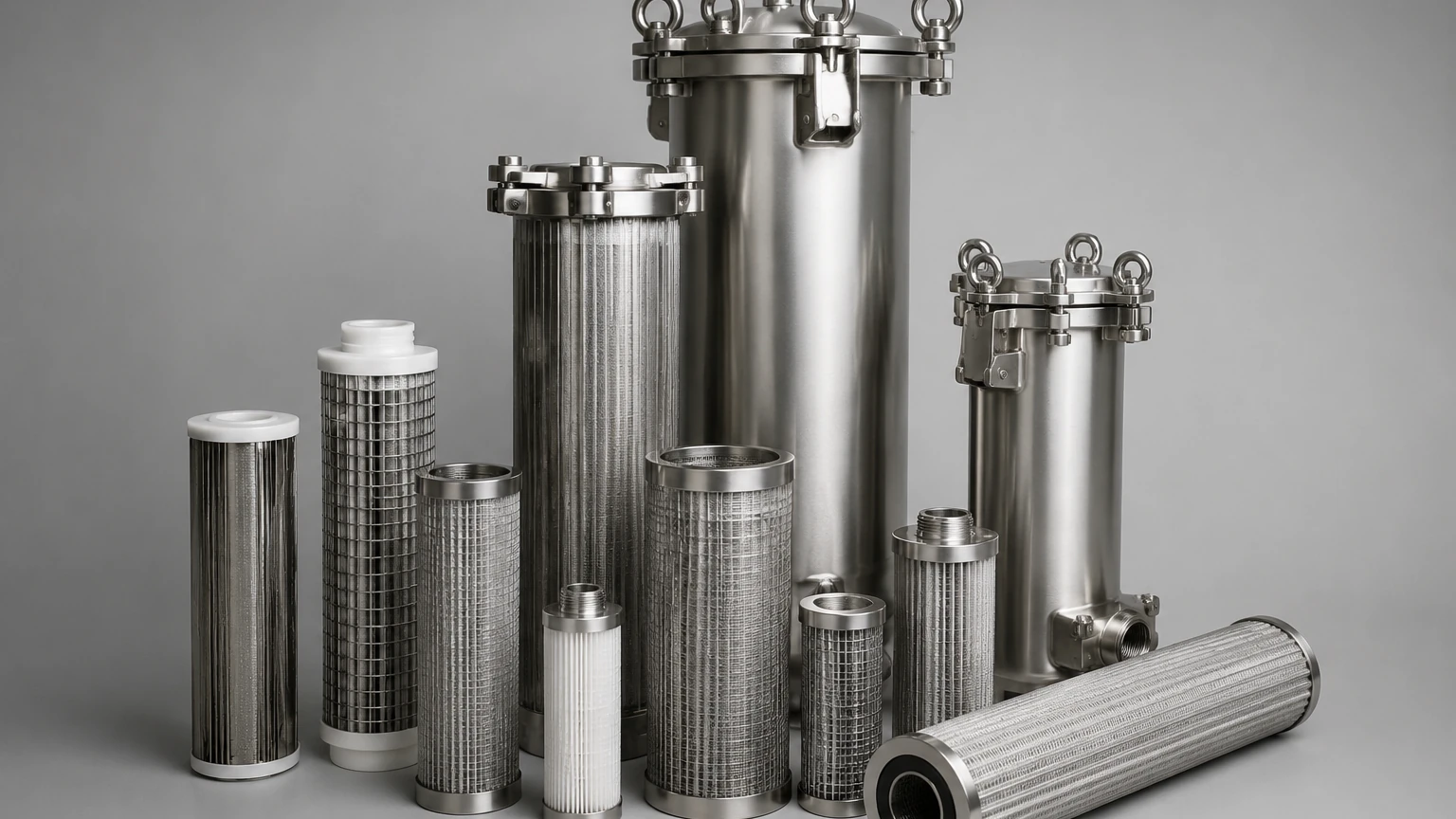
Stainless steel filtration solutions have become the standard for demanding industrial oil applications due to their thermal stability, chemical resistance, and mechanical strength. Unlike disposable synthetic or paper filters, metal filter elements provide a robust barrier capable of withstanding high differential pressures and aggressive fluid chemistries. Understanding the technical nuances of these systems is essential for optimizing performance in sectors ranging from chemical processing to heavy hydraulic machinery.
Engineering Considerations for Oil Filtration Systems
Designing or specifying an oil filtration system requires a comprehensive analysis of the fluid’s physical properties and the system’s operational parameters. The primary challenge in oil filtration, compared to water filtration, is the variable viscosity of the medium. Oil viscosity changes significantly with temperature, which in turn affects the pressure drop (ΔP) across the filter element.
Viscosity and Flow Dynamics
At startup, cold oil exhibits higher viscosity, leading to increased resistance through the filter mesh. If the filtration system is not engineered to handle this "cold start" condition, the bypass valve may open, allowing unfiltered oil to circulate, or the filter element itself may suffer structural deformation. Engineers must calculate the maximum allowable pressure drop at the lowest operating temperature to ensure the filter remains functional without compromising the system's structural integrity.
Pressure and Flow Rates
Industrial oil systems often operate under high pressure, particularly in hydraulic applications. The filter housing and the internal filter cartridge must be rated for the maximum system pressure, including potential pressure spikes. Flow rate is another critical factor; high-velocity flow can cause erosion of the filter media or lead to "channeling," where particles are forced through the mesh. Selecting a filter with a sufficient surface area is necessary to maintain low flux rates and high filtration efficiency. For detailed specifications on high-pressure components, engineers can Review product options and application support to align filter selection with specific system requirements.
Material Selection and Component Durability
The choice of material for the filter media and support structure determines the system's compatibility with different oil types and additives. Stainless steel is the preferred material for industrial oil filtration due to its versatility and durability.
Stainless Steel Grades (304, 316, 316L)
* Grade 304: Suitable for standard industrial oils and general lubrication systems where corrosion risk is moderate.
* Grade 316/316L: Contains molybdenum, providing enhanced resistance to pitting and corrosion. This is essential for systems using synthetic oils with aggressive additive packages or in environments where the oil may be contaminated with acidic byproducts or moisture.
Structural Integrity
In an oil filtration system, the filter element is often subjected to cyclic loading. Stainless steel wire mesh and sintered metal filters offer superior fatigue resistance compared to fiberglass or cellulose. The mechanical strength of metal allows for the construction of pleated designs, which significantly increase the available filtration surface area within a compact footprint. This design minimizes the frequency of cleaning or replacement while maintaining a low-pressure profile.
Filtration Accuracy and Performance Metrics
Defining the required cleanliness level for an oil system is typically done using the ISO 4406 standard, which counts particles at various micron sizes (e.g., 4µm, 6µm, and 14µm). The oil filtration system must be equipped with media that can consistently achieve these targets.
Absolute vs. Nominal Ratings
In critical industrial applications, absolute filtration ratings are preferred. An absolute rating indicates that the filter will capture 99.9% (Beta ratio of 1000) of particles at a specific micron size. Nominal ratings are less precise and may allow a significant percentage of particles at the rated size to pass through. For precision components like servo valves or high-speed bearings, absolute-rated stainless steel mesh is necessary to prevent catastrophic wear.
Depth vs. Surface Filtration
* Surface Filtration: Utilizes a single layer of wire mesh. It is ideal for removing large contaminants and is very easy to clean via backwashing or ultrasonic methods.
* Depth Filtration: Employs multiple layers of sintered metal or metal fibers. This creates a complex path for the fluid, trapping particles throughout the thickness of the media. Depth filtration offers higher dirt-holding capacity and is more effective at removing fine, irregular particles often found in degraded lubricating oils.
Customization and OEM Solutions for Specialized Systems
Standard off-the-shelf filters often fail to meet the unique constraints of specialized industrial machinery. Customization in an oil filtration system allows for the optimization of the filter’s geometry, connection types, and material properties to fit specific spatial and performance requirements.
Tailored Filter Cartridges
OEMs often require filter cartridges with non-standard dimensions or specialized end-fittings (such as threaded, O-ring, or flange mounts). Custom-engineered stainless steel cartridges can be designed to retrofit existing housings while improving filtration efficiency or reducing pressure drop. This is particularly useful in the chemical processing and pharmaceutical industries, where proprietary system designs are common.
Integration with Monitoring Systems
A modern oil filtration system is rarely a standalone component. It is increasingly integrated with differential pressure sensors and oil condition monitoring tools. Custom housings can be designed with ports for sampling and sensor integration, allowing for real-time data collection on oil health and filter status. This proactive approach enables predictive maintenance, replacing the traditional reactive or scheduled maintenance cycles.
Maintenance, Replacement Cycles, and Total Cost of Ownership
While the initial investment in a stainless steel oil filtration system may be higher than disposable alternatives, the long-term economic benefits are substantial. The total cost of ownership (TCO) includes the purchase price, installation, maintenance labor, disposal costs, and the cost of equipment downtime.
Cleanability and Reuse
One of the primary advantages of stainless steel filters is their cleanability. Depending on the contaminant type, these filters can be cleaned using ultrasonic baths, chemical solvents, or high-pressure backwashing. This eliminates the recurring cost of purchasing new filters and the environmental burden of disposing of oil-soaked hazardous waste. For many industrial facilities, the transition to cleanable metal filters results in a return on investment (ROI) within the first year of operation.
Determining Replacement Cycles
In a well-designed oil filtration system, the replacement or cleaning cycle is determined by the differential pressure. As the filter traps contaminants, the ΔP increases. Monitoring this trend allows engineers to schedule maintenance before the bypass valve opens or the flow is restricted. Furthermore, analyzing the particles captured by the filter can provide early warning signs of component wear within the machinery, such as bearing fatigue or gear scuffing.
Technical FAQs for Industrial Oil Filtration
1. How does temperature affect the selection of seals in an oil filtration system?
While the filter media may be stainless steel, the seals (O-rings or gaskets) must be compatible with both the oil chemistry and the operating temperature. Viton (FKM) is commonly used for high-temperature applications and synthetic oils, while Buna-N (Nitrile) is suitable for standard mineral oils at lower temperatures.
2. Can stainless steel filters remove water from oil?
Standard wire mesh filters are designed for particulate removal. However, specialized coalescing elements or hydrophobic-treated stainless steel meshes can be integrated into a system to assist in the separation of free water from the oil.
3. What is the benefit of sintered metal over woven wire mesh?
Sintered metal provides higher mechanical strength and a more fixed pore structure. It is less likely to experience "media migration" (where parts of the filter media enter the fluid stream) and can handle higher pressure differentials than simple woven mesh.
Conclusion
An effective oil filtration system is a cornerstone of industrial reliability. By prioritizing high-quality stainless steel components, engineers can ensure that their systems remain free of damaging contaminants while operating under extreme pressures and temperatures. The transition from disposable to cleanable, custom-engineered metal filtration solutions not only enhances machine performance but also contributes to more sustainable and cost-effective industrial operations. When evaluating your next filtration upgrade, consider the long-term benefits of precision-manufactured stainless steel elements tailored to your specific application needs.
