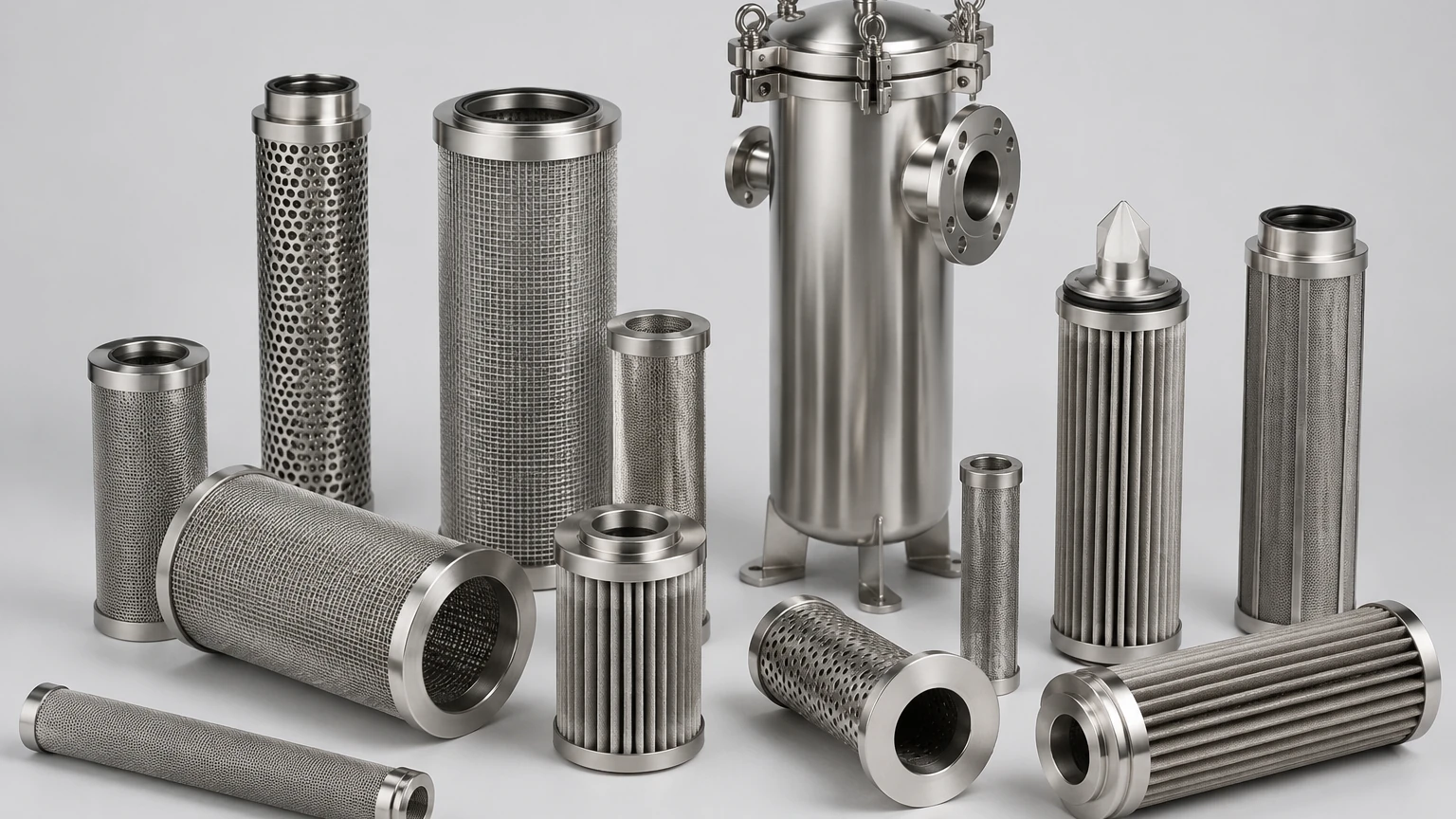
Oil Purifier
In industrial environments, the longevity and reliability of machinery depend heavily on the cleanliness of lubricating and hydraulic oils. Contamination—whether in the form of particulate matter, water, or entrained gases—is the primary cause of component wear and system failure. An oil purifier is a specialized system designed to remove these contaminants, restoring the oil to its required cleanliness levels and extending the service life of both the fluid and the equipment. For engineers and maintenance professionals, selecting the right purification technology requires a deep understanding of filtration mechanics, material compatibility, and the specific demands of the application environment.
The Role of Oil Purification in Industrial Systems
Industrial oils perform several critical functions: they reduce friction, dissipate heat, inhibit corrosion, and transmit power in hydraulic systems. However, as oil circulates, it inevitably becomes contaminated. Solid particles such as metal shavings, dust, and silica act as abrasives, leading to accelerated wear on valves, pumps, and bearings. Water contamination, often resulting from condensation or seal leaks, promotes oxidation, reduces lubricating film strength, and can lead to the formation of acids and sludge.
An oil purifier functions as a comprehensive fluid conditioning system. Unlike standard inline filters that primarily capture larger particles during operation, a dedicated purifier is often used in a kidney-loop configuration or as a batch processing unit to achieve deep cleaning. By maintaining oil at or below target ISO 4406 cleanliness codes, these systems prevent the "chain reaction of wear," where existing particles generate more wear debris, eventually leading to catastrophic system failure.
Core Technologies in Oil Purifiers
Different types of oil purifiers utilize various physical and mechanical principles to isolate contaminants. The choice of technology depends on the type of oil, the nature of the contaminants, and the required throughput.
1. Vacuum Dehydration and Degassing
Vacuum dehydration is one of the most effective methods for removing all three forms of water: free, emulsified, and dissolved. The process involves heating the oil to a moderate temperature (typically 50°C to 70°C) and exposing it to a vacuum. This lowers the boiling point of water, allowing it to flash into vapor without damaging the oil’s chemical structure. This method is also highly effective at removing air and other dissolved gases that can cause cavitation in pumps.
2. Centrifugal Separation
Centrifugal purifiers use high-speed rotation to create G-forces that separate components of different densities. Because water and solid particles are denser than oil, they are forced to the outer periphery of the centrifuge bowl. This technology is particularly robust for handling high volumes of free water and large particulate loads, making it a staple in marine and power generation sectors.
3. High-Efficiency Particulate Filtration
At the heart of every oil purifier is a high-efficiency filtration stage. These units often utilize multi-stage filtration, beginning with a coarse pre-filter to protect the pump and ending with a high-beta-ratio polishing filter. For industrial applications involving high temperatures or chemically aggressive fluids, stainless steel filter cartridges are frequently employed. These components provide the structural integrity required to withstand high differential pressures and can be manufactured to precise micron ratings to ensure the removal of microscopic silt.
Engineering Considerations for Filter Media
The performance of an oil purifier is largely dictated by the quality and design of its internal filtration components. When evaluating these systems, engineers must look beyond simple micron ratings and consider the following technical factors:
* Beta Ratio (β): This is the standard measure of a filter’s efficiency. A filter with a βx = 1000 means that for every 1000 particles of a given size (x) entering the filter, only one passes through. For critical hydraulic systems, high beta ratios at the 3-micron or 6-micron level are often necessary.
* Dirt Holding Capacity (DHC): This refers to the total amount of contaminant a filter can capture before the pressure drop reaches a critical level. A higher DHC reduces the frequency of element changes, lowering the total cost of ownership.
* Material Compatibility: The filter media and seals must be compatible with the base oil and any additives. In chemical processing or high-heat applications, synthetic or cellulose media may fail, necessitating the use of Main Page solutions that utilize stainless steel wire mesh or sintered metal fibers.
* Structural Integrity: Industrial oil purifiers often operate under varying flow rates and pressures. The filter elements must be designed to resist pleat bunching and media migration, ensuring that the filter itself does not become a source of contamination.
Addressing Water Contamination: Free vs. Dissolved
Water is the second most destructive contaminant in oil. It exists in three states: free (separated from the oil), emulsified (cloudy mixture), and dissolved (invisible, like humidity in the air). Standard mechanical filters can only remove free water if equipped with specialized coalescing media. However, once water is emulsified or dissolved, it requires the phase-change capabilities of a vacuum dehydrator or the chemical absorption of water-removal cartridges.
Maintaining oil below its saturation point is vital. If dissolved water is not removed, it can precipitate out as the oil cools, leading to corrosion and microbial growth during machine downtime. High-performance oil purifiers are designed to reach water levels as low as 50 ppm (parts per million), which is significantly below the saturation point of most industrial lubricants.
Common Risks and Selection Pitfalls
Selecting an oil purifier based solely on initial cost can lead to significant operational challenges. Engineers should be aware of several common risks:
* Inadequate Flow Rate: If the purifier’s flow rate is too low for the reservoir size, it will never achieve the desired cleanliness level. A general rule for kidney-loop systems is to turn over the reservoir volume 3 to 5 times every 24 hours.
* Media Migration: Low-quality fiber filters can shed their own material into the clean oil stream. This is why precision-engineered metal mesh components are preferred in high-specification industrial applications where zero downstream contamination is a requirement.
* Ignoring Viscosity: Oil viscosity changes with temperature. A purifier designed for light hydraulic oil may struggle with heavy gear oil unless it includes an integrated heating system to lower the viscosity for efficient filtration.
* Bypass Valve Issues: If the internal bypass valve of a filter housing is set too low, contaminated oil will circumvent the filter element during cold starts or high-flow conditions, rendering the purification process ineffective.
Customization and OEM Integration
For many manufacturers of industrial equipment, a standard off-the-shelf oil purifier may not meet specific footprint or performance requirements. Customization allows for the integration of specific filtration stages tailored to the unique contaminants of a particular process. This includes the development of custom stainless steel filter cartridges that fit existing housings while providing improved filtration accuracy or durability.
By working with manufacturers who specialize in precision metal filtration, engineers can ensure that the internal components of their oil purifiers are optimized for the specific chemical and thermal demands of their industry. Whether it is a pharmaceutical-grade environment requiring 316L stainless steel or a heavy industrial site needing ruggedized wire mesh, customization ensures the purifier operates at peak efficiency.
Pre-Purchase Checklist for Engineers
Before investing in an oil purifier or replacement filtration components, technical teams should confirm the following data points:
1. Target ISO Cleanliness Code: Define the required code based on the most sensitive component in the system (e.g., 16/14/11 for high-pressure servo valves).
2. Fluid Type and Viscosity: Ensure the system is rated for the specific lubricant or hydraulic fluid in use, accounting for the operating temperature range.
3. Contaminant Type: Identify if the primary goal is particulate removal, water dehydration, or acid neutralization.
4. Operational Environment: Determine if the unit needs to be explosion-proof (ATEX), portable, or designed for continuous outdoor use.
5. Replacement Part Availability: Verify the lead times and specifications for replacement filter elements to avoid prolonged system downtime.
Conclusion
An oil purifier is an essential tool for any facility aiming to implement a proactive maintenance strategy. By removing water, gas, and solid particles, these systems protect expensive machinery and significantly reduce the environmental and financial costs associated with frequent oil changes. Success in oil purification depends on selecting a system with the appropriate technology and high-quality internal components. Investing in durable, precision-engineered filtration media ensures that the purification process remains consistent, reliable, and capable of meeting the most stringent industrial standards.