


Oilfield Casing
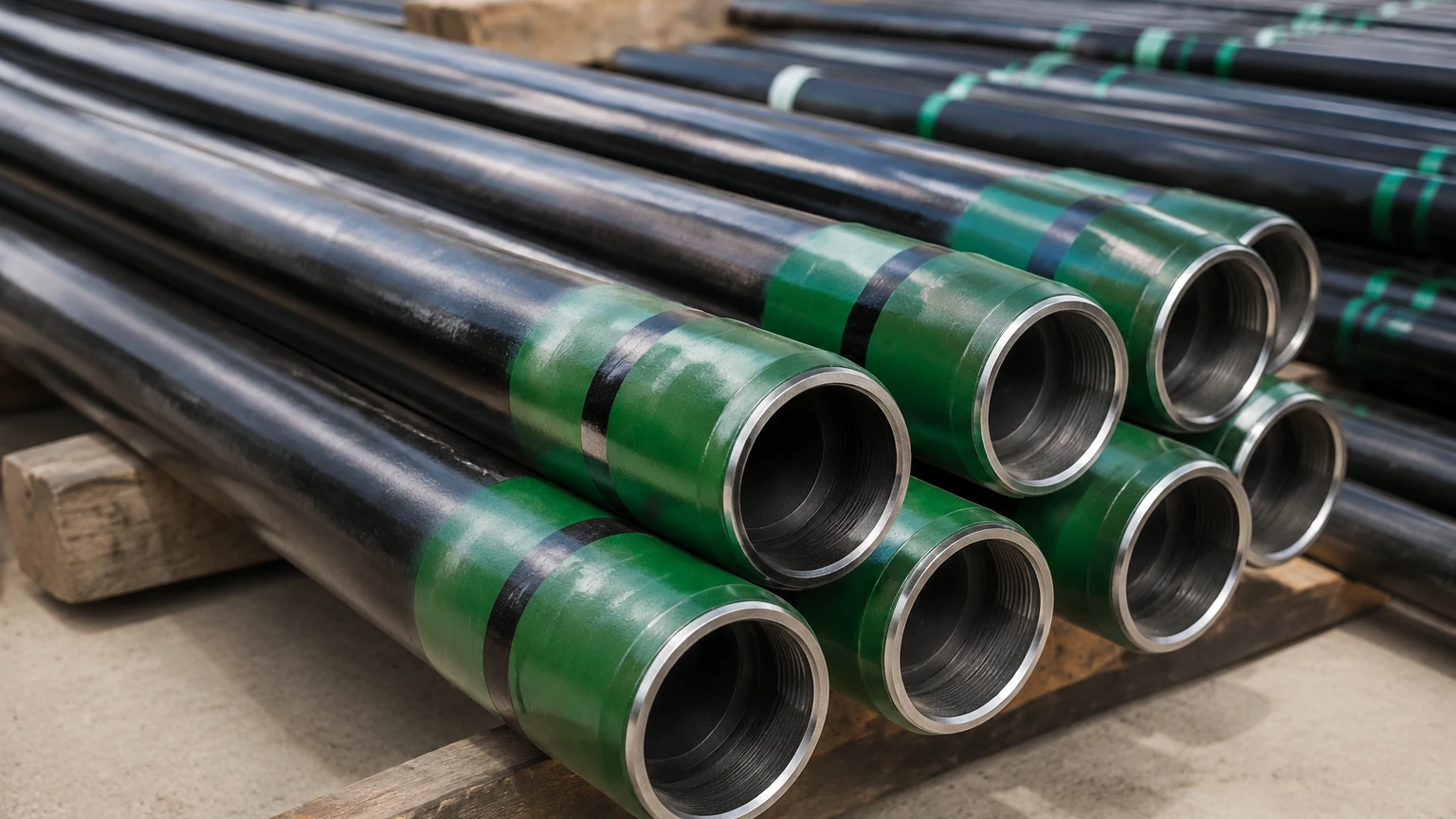
In the complex engineering landscape of oil and gas extraction, oilfield casing serves as the primary structural retainer for the walls of a borehole. It is a series of steel pipes that are inserted into a recently drilled well and cemented in place to ensure wellbore integrity. For engineers and procurement specialists, understanding the nuances of casing design is not merely about structural support; it is about managing the entire lifecycle of the well, protecting the environment, and facilitating efficient production through integrated filtration and flow control systems.
Oilfield casing must withstand a variety of intense mechanical stresses, including external pressure from rock formations, internal pressure from high-velocity fluids, and the axial tension caused by its own significant weight. Furthermore, the casing string provides the foundation for downhole filtration components, which are essential for preventing sand and particulate matter from damaging expensive production equipment.
The Functional Architecture of Wellbores
The implementation of oilfield casing is a multi-stage process that evolves as the well deepens. Each layer of casing serves a specific engineering purpose, and the selection of materials and dimensions is dictated by the geological characteristics of the site. The primary functions of a casing string include:
* Wellbore Stabilization: Preventing the collapse of unstable formations into the borehole.
* Zonal Isolation: Separating different geological layers to prevent the cross-flow of fluids, such as preventing oil or gas from migrating into freshwater aquifers.
* Pressure Control: Providing a high-pressure conduit that allows for the safe management of formation pressures during drilling and production.
* Equipment Housing: Creating a smooth, protected internal environment for the installation of production tubing, pumps, and sophisticated filtration systems.
For a technical overview of how precision components are integrated into these industrial systems, you can visit our Main Page to review our full range of filtration solutions.
Primary Types of Casing in Modern Well Construction
A typical well is not lined with a single continuous pipe. Instead, it utilizes a telescopic design where smaller diameters of oilfield casing are nested within larger ones. Each section is referred to as a "string."
Conductor Casing
The conductor casing is the first and largest string, typically ranging from 16 to 30 inches in diameter. Its primary role is to prevent the topsoil and loose surface sediments from washing away during the initial drilling phases. It also provides a structural base for the wellhead equipment.
Surface Casing
Surface casing is installed to protect freshwater zones from contamination by drilling fluids or hydrocarbons. In many jurisdictions, the depth and cementation of surface casing are strictly regulated by environmental agencies. It also supports the blowout preventer (BOP) stack, which is critical for well control.
Intermediate Casing
Intermediate casing is used in deeper wells to isolate problematic formations. These may include zones with abnormally high pressure, lost circulation zones where drilling fluid escapes into the rock, or unstable salt sections. By installing intermediate casing, engineers can transition to different drilling fluid weights without risking the integrity of the upper sections.
Production Casing
Often referred to as the "long string," production casing is the final layer of oilfield casing. It extends into the hydrocarbon-bearing zone. This string must be designed with the highest degree of precision, as it will be exposed to production fluids for the life of the well. It is within or attached to this string that sand control screens and filtration media are typically deployed.
Mechanical Stress and Material Performance
Selecting the correct grade of oilfield casing requires a deep understanding of metallurgy and mechanical engineering. The American Petroleum Institute (API) defines several grades based on yield strength, tensile strength, and chemical composition. Common grades include J55, K55, N80, L80, and P110.
Collapse Resistance
When the pressure outside the casing (from the formation or cement) exceeds the internal pressure, the pipe is at risk of collapsing. This is a critical consideration in deepwater or high-pressure wells. Engineers calculate the "collapse rating" based on the wall thickness and the material's yield strength.
Burst Pressure
Burst occurs when internal pressures exceed external pressures. This typically happens during well-kill operations or high-pressure stimulation (fracking). The casing must have a sufficient safety factor to prevent catastrophic rupture.
Tensile Strength
The weight of a casing string can reach hundreds of thousands of pounds. The top joints of the string must be strong enough to support the entire weight of the pipe hanging below them. This requires high-performance threaded connections that do not pull apart under extreme axial loads.
Filtration and Sand Control within the Casing String
One of the most significant challenges in maintaining oilfield casing integrity is sand production. When hydrocarbons flow from a reservoir into the wellbore, they often carry fine sand particles. If left unfiltered, this sand acts as an abrasive, quickly eroding the casing, production tubing, and surface valves.
To mitigate this, engineers integrate sand control systems directly into the production casing or liner. These systems often utilize stainless steel wire mesh or sintered metal filters. Unlike standard carbon steel casing, these filtration components must be highly resistant to corrosion and erosion.
At Kaifil, we specialize in the manufacture of custom stainless steel filtration solutions that are designed to withstand these demanding downhole environments. Our precision metal filter components are engineered to provide reliable sand control while maintaining optimal flow rates. For detailed specifications on our manufacturing capabilities, please refer to the Main Page.
Custom Stainless Steel Components for Downhole Environments
While the bulk of oilfield casing is made from carbon steel, the critical points of fluid entry require specialized materials. Stainless steel, particularly grades like 304L, 316L, and various duplex alloys, is preferred for filtration media due to its resistance to hydrogen sulfide (H2S) and carbon dioxide (CO2) corrosion.
Wire Mesh Filters
Wire mesh filters are often wrapped around perforated base pipes to create sand screens. The weave of the mesh—whether it is a plain square weave or a complex Dutch twill weave—determines the micron rating and the ability of the screen to retain sand while allowing oil to pass through. Engineering these meshes requires a balance between mechanical strength and open area percentage.
Sintered Metal Filter Cartridges
In applications where extreme pressures or high temperatures are present, sintered metal filters offer superior structural integrity. These are formed by bonding multiple layers of stainless steel mesh or metal powder through a thermal process. The result is a porous but incredibly strong filtration medium that can be integrated into the oilfield casing assembly to provide long-term reliability in harsh conditions.
Maintenance, Corrosion, and Life Cycle Management
The lifespan of oilfield casing is influenced by the chemistry of the produced fluids. Corrosion is a primary threat, particularly in "sour" wells containing H2S. Corrosion can lead to pitting, which reduces the wall thickness and significantly lowers the collapse and burst ratings of the pipe.
Cathodic Protection and Coatings
To extend the life of the casing, operators may use cathodic protection systems or apply specialized internal and external coatings. However, in the production zone, the choice of filtration material is the most effective defense against corrosion-induced failure.
Replacement and Workover Cycles
Replacing a failed casing string is an expensive and technically difficult "workover" operation. Therefore, the initial selection of high-quality casing and compatible filtration components is essential for minimizing the total cost of ownership. Engineers must evaluate the expected life of the reservoir and select materials that can withstand the predicted environmental changes over decades of operation.
Technical Specifications for Procurement Teams
When sourcing components for oilfield casing projects, procurement teams should confirm several key technical parameters to ensure the equipment is fit for purpose. These include:
1. Material Certification: Ensure all steel grades meet API 5CT standards and that stainless steel components are accompanied by mill test reports (MTRs).
2. Micron Rating and Permeability: For sand control components, the filtration accuracy must be matched to the grain size distribution of the reservoir sand.
3. Connection Compatibility: Casing joints must have compatible thread patterns (such as BTC, STC, or LTC) and be capable of maintaining a gas-tight seal.
4. Manufacturing Tolerances: Precision is vital. Variations in wall thickness or pipe ovality can lead to installation failures or premature wear.
Customization Options
Standard off-the-shelf solutions are often insufficient for complex geological formations. Customization in the design of the filtration media—such as adjusting the wire diameter or the layer configuration in a sintered mesh—can significantly improve the efficiency of the well. Kaifil provides extensive OEM and customized filtration solutions to meet these specific industrial requirements.
Conclusion: Ensuring Long-Term Well Integrity
Oilfield casing is the backbone of any successful drilling operation. From the initial conductor pipe to the high-precision production string, every component must be engineered to withstand extreme physical and chemical stresses. By integrating advanced filtration technologies, such as those provided by Kaifil, operators can protect their investment, prevent equipment erosion, and ensure the long-term productivity of the well.
For engineers looking to optimize their filtration performance in demanding industrial environments, selecting the right partner for custom metal filter components is a critical step. Review our product options and application support on our Main Page to learn more about how we support the global oil and gas industry with durable, high-performance filtration solutions.
