


Ozone Diffuser
In industrial water treatment, pharmaceutical processing, and chemical oxidation, the efficiency of ozone gas transfer is a critical determinant of system performance. An ozone diffuser serves as the primary interface between the gaseous ozone and the liquid medium, responsible for breaking down the gas into micro-bubbles to maximize surface area contact. For engineers and technical professionals, selecting the correct diffuser involves a deep understanding of material science, fluid dynamics, and gas-liquid mass transfer principles.
As a specialized manufacturer of stainless steel filtration and diffusion components, Kaifil provides high-performance sintered metal solutions designed to withstand the aggressive oxidative environment of ozone applications. This guide explores the technical considerations for ozone diffusers, focusing on material selection, engineering performance, and long-term operational efficiency.
The Engineering Principles of Ozone Diffusion
The fundamental goal of an ozone diffuser is to facilitate the dissolution of ozone gas into water or other liquids. Ozone is significantly more effective as an oxidant when it is fully dissolved, but its solubility is limited by temperature, pressure, and the contact surface area.
Bubble Size and Surface Area
In gas-liquid mass transfer, the rate of diffusion is proportional to the total surface area of the gas bubbles. Smaller bubbles, often referred to as fine bubbles or micro-bubbles, provide a much higher surface-area-to-volume ratio than larger bubbles. For example, a single 10mm bubble has significantly less surface area than thousands of 100-micron bubbles occupying the same volume. Furthermore, smaller bubbles have a lower rise velocity, meaning they remain in the liquid column for a longer duration, providing more time for the ozone to react and dissolve.
Mass Transfer Efficiency
Mass transfer efficiency is governed by Henry's Law and the concentration gradient between the gas and the liquid. In industrial systems, the ozone diffuser must be engineered to produce a uniform distribution of bubbles across the entire surface of the media. If the pore structure of the diffuser is inconsistent, "channeling" occurs, where gas escapes through the path of least resistance, creating large, inefficient bubbles and reducing the overall oxidation potential of the system.
Material Selection: Why Stainless Steel is Standard
Ozone is one of the most powerful oxidizing agents available, and its corrosive nature makes material selection the most critical factor in diffuser longevity. While ceramic and polymer diffusers exist, sintered stainless steel has become the industrial standard for demanding B2B applications.
Corrosion Resistance of 316L Stainless Steel
Most industrial ozone diffusers are manufactured from 316L stainless steel. The "L" denotes low carbon content, which is essential for preventing intergranular corrosion after welding or sintering. 316L provides excellent resistance to the high oxidation potential of ozone, ensuring that the diffuser does not degrade, pit, or shed particles into the process stream. This is particularly vital in pharmaceutical and food and beverage sectors where process purity is non-negotiable.
Structural Integrity and Durability
Unlike ceramic diffusers, which are brittle and prone to cracking under thermal shock or mechanical stress, sintered metal diffusers are robust. They can withstand high-pressure differentials and are resistant to damage during installation or routine cleaning. This durability translates to a lower total cost of ownership by extending the replacement cycle and reducing the risk of catastrophic system failure.
Technical Specifications of Sintered Metal Diffusers
When evaluating an ozone diffuser for a specific project, engineers must look beyond the basic dimensions and focus on the internal geometry of the porous media.
Pore Size and Micron Ratings
Sintered metal diffusers are available in various micron ratings, typically ranging from 0.5 to 100 microns. For ozone applications, finer ratings (0.5 to 5 microns) are generally preferred to produce the micro-bubbles necessary for high-efficiency mass transfer. However, finer pores also result in a higher pressure drop across the media, which must be accounted for in the ozone generator's delivery pressure.
Permeability and Pressure Drop
Permeability refers to the ability of the gas to pass through the porous structure. An ideal ozone diffuser provides high permeability with a controlled, uniform pressure drop. If the pressure drop is too high, it can strain the ozone generation system; if it is too low or uneven, it indicates poor bubble distribution. Kaifil’s manufacturing process ensures that the sintered layers provide a consistent resistance, resulting in a uniform bubble curtain across the entire surface.
Customization and System Integration
Industrial filtration and diffusion requirements are rarely one-size-fits-all. Depending on the tank geometry, flow rate, and ozone concentration, the physical configuration of the ozone diffuser must be optimized.
Common Configurations
1. Sintered Discs: Often used in the bottom of contact columns or batch tanks. They provide a wide area for bubble release.
2. Porous Tubes: Ideal for in-line diffusion or for mounting on manifolds in large-scale water treatment basins.
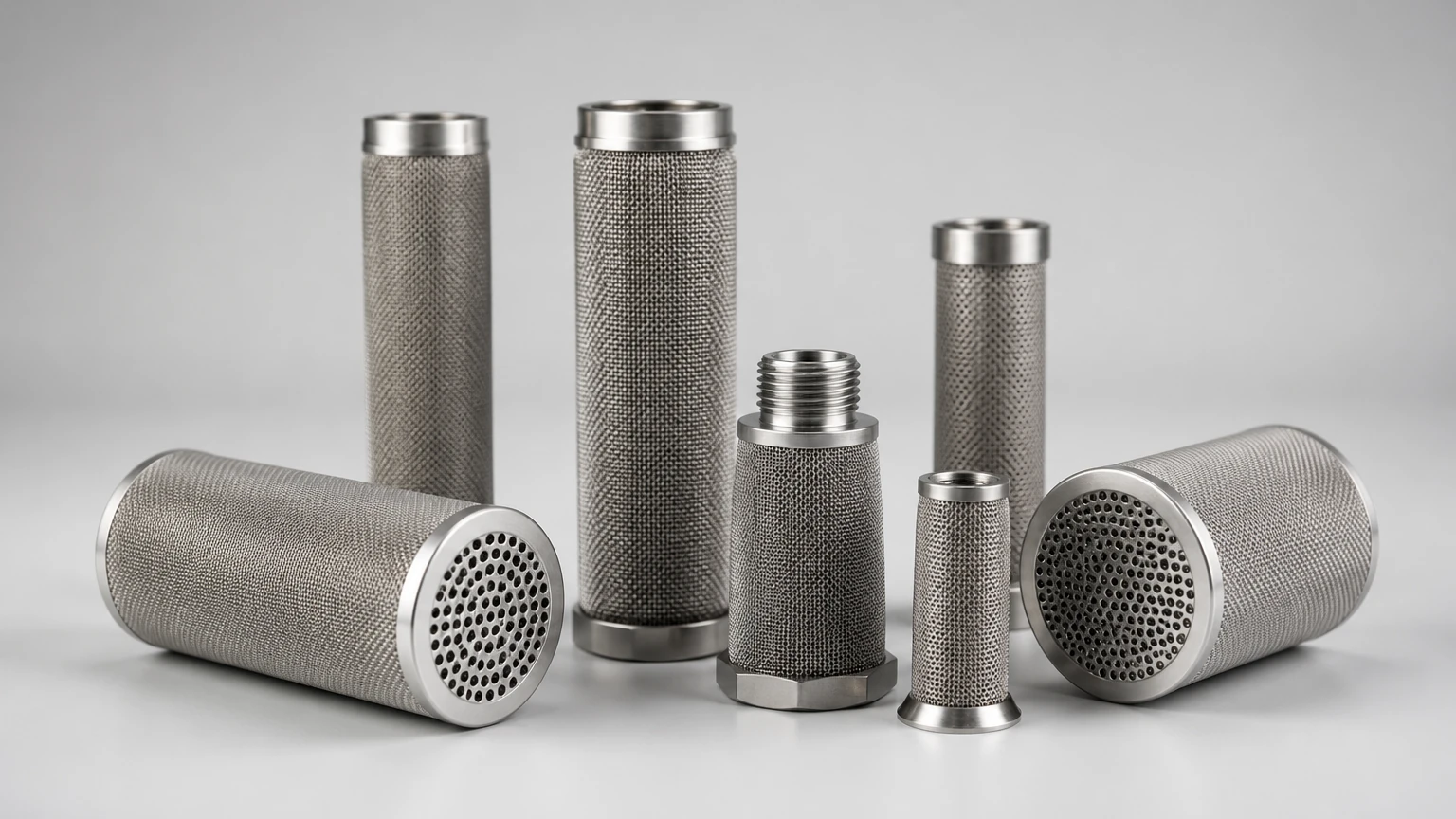
3. Threaded Cartridges: Designed for easy integration into existing pipework, allowing for quick removal and maintenance.
OEM and Custom Engineering
For specialized equipment manufacturers, the ability to customize the fitting, length, and diameter of the diffuser is essential. At Kaifil, we work closely with engineers to develop bespoke filtration and diffusion components that meet specific flow dynamics. Whether it is a unique thread type for a hydraulic system or a specific length for a chemical reactor, customization ensures the diffuser performs as intended within the larger system architecture. For more information on our capabilities, visit our Main Page.
Maintenance and Operational Longevity
Even the highest quality ozone diffuser will eventually experience a decrease in performance due to fouling. Understanding the causes and remedies for fouling is essential for maintaining system efficiency.
Types of Fouling
* Biofouling: In water treatment applications, microbial growth can accumulate on the surface of the diffuser, blocking pores.
* Mineral Scaling: Calcium carbonate and other minerals can precipitate out of the water, especially in high-pH environments, leading to scaling within the porous structure.
* Particulate Clogging: If the ozone gas stream contains impurities or if the liquid medium has high suspended solids, particles can become trapped in the pore matrix.
Cleaning Protocols
One of the primary advantages of stainless steel ozone diffusers is their ability to be cleaned and reused. Unlike disposable polymer filters, sintered metal can be subjected to aggressive cleaning methods, including:
* Backpulsing: Reversing the flow of gas or liquid to dislodge surface particles.
* Chemical Cleaning: Using acids or caustic solutions to dissolve mineral scale or organic matter without damaging the 316L substrate.
* Ultrasonic Cleaning: Using high-frequency sound waves in a solvent bath to remove deep-seated contaminants from the internal pore structure.
Selection Criteria for Purchasing Teams
For purchasing teams and project managers, the decision to source an ozone diffuser should be based on a combination of technical verification and supplier reliability. Before finalizing a purchase, the following factors should be confirmed:
1. Material Certification: Ensure the supplier provides mill test reports (MTRs) confirming the use of 316L stainless steel.
2. Filtration Accuracy: Verify that the micron rating is appropriate for the desired bubble size and that the pore distribution is uniform.
3. Pressure Ratings: Confirm that the diffuser can handle the maximum operating pressure of the ozone system, including potential pressure spikes.
4. Connection Compatibility: Ensure the fittings (NPT, BSP, or flange) match the existing infrastructure to avoid leaks or the need for costly adapters.
5. Total Cost of Ownership: Consider the lifespan and cleanability of the diffuser. A lower-cost plastic or ceramic option may require more frequent replacement and higher labor costs over time compared to a durable stainless steel component.
Conclusion
The ozone diffuser is a small but vital component in the landscape of industrial oxidation and water treatment. By choosing a high-quality sintered stainless steel diffuser, engineers can ensure maximum ozone mass transfer, superior corrosion resistance, and long-term operational stability.
Kaifil remains committed to providing precision-engineered filtration and diffusion solutions that meet the rigorous demands of modern industry. From material selection to customized design and production, our expertise in stainless steel filtration ensures that your ozone system operates at peak efficiency. For technical support or to review our full range of filtration products, visit our Main Page and consult with our engineering team to find the ideal solution for your specific application requirements.
