


Pes Capsule Filter
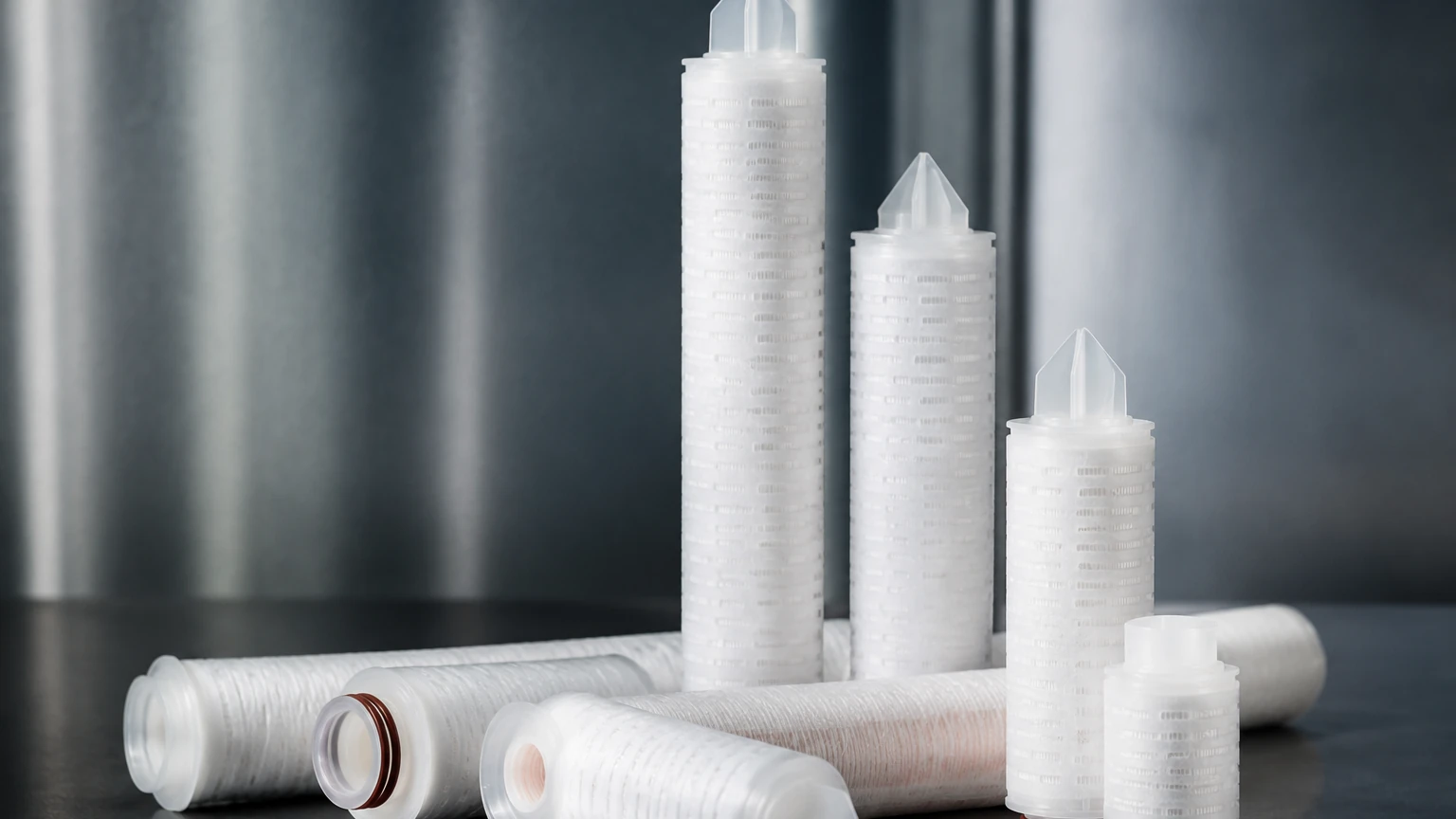
In the landscape of industrial liquid processing, the pes capsule filter represents a critical component for achieving high-purity results in demanding environments. These self-contained, disposable filtration units utilize a polyethersulfone (PES) membrane, known for its exceptional flow characteristics and chemical resistance. For engineers and procurement specialists, understanding the technical nuances of PES technology is essential for optimizing filtration efficiency and ensuring the longevity of downstream equipment.
As a professional manufacturer of custom stainless steel filtration solutions, Kaifil recognizes that high-performance filtration often requires a multi-stage approach. While stainless steel components provide robust pre-filtration and coarse particle removal, the pes capsule filter is frequently employed as the final stage for sterile filtration or fine clarification. This guide explores the technical specifications, application criteria, and engineering considerations necessary for selecting the right PES capsule filter for industrial operations.
Technical Characteristics of Polyethersulfone Membranes
The performance of a pes capsule filter is primarily dictated by the properties of the polyethersulfone membrane. PES is a high-performance polymer characterized by its hydrophilic nature, meaning it has a natural affinity for water and does not require pre-wetting with alcohols or surfactants. This property is particularly beneficial in aqueous applications where chemical additives must be minimized.
Asymmetric Pore Structure
One of the defining engineering features of PES membranes is their asymmetric pore structure. Unlike symmetric membranes where the pore size is uniform throughout the cross-section, PES membranes often feature a gradient where the pores are larger on the upstream side and gradually tighten toward the downstream side. This design acts as a built-in pre-filter, allowing larger particles to be trapped within the depth of the membrane while the fine surface layer ensures the final micron rating. This results in significantly higher dirt-holding capacity and longer service life compared to traditional membrane materials.
Low Protein Binding
In pharmaceutical and biotechnology applications, the interaction between the filter media and the processed fluid is a primary concern. PES membranes exhibit extremely low non-specific protein binding. This ensures that valuable active pharmaceutical ingredients (APIs) or biological proteins are not lost during the filtration process, maintaining the potency and yield of the final product.
Engineering Advantages in Industrial Applications
Integrating a pes capsule filter into an industrial process flow offers several operational advantages. Because these filters are self-contained, they eliminate the need for separate filter housings, reducing the risk of cross-contamination and simplifying the change-out process.
1. High Flow Rates and Throughput: Due to the high porosity and asymmetric structure of PES, these filters offer some of the highest flow rates per unit area among all membrane types. This allows for smaller filter footprints or faster processing times in high-volume applications.
2. Broad Chemical Compatibility: PES is resistant to a wide range of chemicals, including many acids, bases, and oxidative agents. It typically operates effectively within a pH range of 1 to 14, making it suitable for chemical processing and the production of fine chemicals.
3. Thermal Stability: These capsule filters are designed to withstand thermal stress. Most industrial PES capsules are compatible with autoclave sterilization and can operate at elevated temperatures, often up to 80°C (176°F) depending on the housing material.
For more information on how these components integrate into a complete filtration system, you can visit the Main Page to review product options and application support.
Selection Criteria for Industrial Engineers
When specifying a pes capsule filter, engineers must evaluate several parameters to ensure the component meets the specific requirements of the application. Failure to account for these variables can lead to premature filter clogging, product contamination, or system failure.
Micron Rating and Retention Efficiency
PES capsule filters are available in a variety of micron ratings, typically ranging from 0.04 μm to 1.2 μm. For sterile filtration in pharmaceutical or food and beverage sectors, a 0.22 μm rated filter is the industry standard for removing bacteria such as *Brevundimonas diminuta*. It is vital to distinguish between "nominal" and "absolute" ratings; for critical applications, an absolute-rated membrane is required to guarantee consistent retention performance.
Effective Filtration Area (EFA)
The EFA determines the total volume of fluid the filter can process before the differential pressure reaches its terminal limit. Larger capsule sizes provide more surface area, which is essential for fluids with high particulate loads or for processes requiring high flow velocities. Engineers should calculate the expected throughput based on the fluid's viscosity and particulate concentration to size the capsule correctly.
Housing Materials and Connections
While the membrane is PES, the capsule housing is typically constructed from high-purity polypropylene. The connection types—such as NPT threads, hose barbs, or sanitary flanges (Tri-Clamp)—must be compatible with existing piping. Furthermore, the housing must be rated for the maximum operating pressure of the system, usually around 5-6 bar (72-87 psi) at ambient temperature.
The Importance of Pre-filtration in System Design
A common challenge in industrial filtration is the premature fouling of expensive membrane filters. While the pes capsule filter is highly efficient at removing sub-micron particles, it is not designed to handle high loads of coarse debris. This is where the expertise of a manufacturer like Kaifil becomes essential.
By implementing a robust pre-filtration stage using stainless steel wire mesh filters or sintered metal cartridges, engineers can remove the bulk of the particulate matter (typically 5 μm and above) before the fluid reaches the PES membrane. This "staged filtration" approach protects the delicate PES membrane from mechanical stress and clogging, significantly extending its operational life and reducing the total cost of ownership. Stainless steel pre-filters are particularly advantageous because they can be cleaned and reused, whereas the PES capsule is a consumable item.
Quality Assurance and Integrity Testing
In regulated industries, the reliability of a pes capsule filter must be verifiable. Quality assurance protocols for these filters often include:
* Integrity Testing: Non-destructive tests such as the Bubble Point test, Diffusion Flow test, or Water Pressure Decay test are used to confirm that the membrane is intact and meets its rated retention capability.
* Extractables and Leachables: High-quality PES filters are manufactured in cleanroom environments and tested to ensure they meet USP Class VI plastics biological reactivity tests and FDA requirements for food contact.
* Endotoxin Levels: For injectable pharmaceuticals, filters must be certified as non-pyrogenic, typically with endotoxin levels below 0.25 EU/ml.
Maintenance and Replacement Cycles
Determining when to replace a pes capsule filter is a balance between process efficiency and risk management. Most systems utilize differential pressure (ΔP) gauges to monitor filter health. A common industry standard is to replace the capsule when the differential pressure reaches 2 bar (30 psi) or after a predetermined number of sterilization cycles.
In batch processing, the filter is often replaced after every batch to prevent microbial growth or cross-contamination, even if the pressure drop is minimal. For continuous processes, the use of redundant filter banks (lead-lag configurations) allows for filter replacement without shutting down the entire production line.
Conclusion
The pes capsule filter is an indispensable tool for high-precision industrial filtration, offering a combination of high flow rates, low protein binding, and reliable particle retention. However, its effectiveness is highly dependent on proper selection and its integration into a well-engineered filtration system. By understanding the membrane characteristics and the necessity of pre-filtration stages—such as those provided by Kaifil’s custom stainless steel solutions—technical professionals can ensure optimal performance and cost-effectiveness in their liquid processing operations.
When evaluating filtration requirements, it is recommended to consult with experts who understand both the fine filtration capabilities of PES membranes and the structural advantages of metal filtration components. For further technical resources and to explore a comprehensive range of industrial filtration components, visit the Main Page.
