


Pg25 Coolant
In industrial thermal management, the selection and maintenance of heat transfer fluids are critical to the efficiency and longevity of machinery. Among the various formulations used in closed-loop cooling systems, pg25 coolant—a solution typically composed of 25% propylene glycol and 75% water, often enhanced with corrosion inhibitors—is a standard choice for applications requiring freeze protection and low toxicity. However, the performance of pg25 coolant is not solely dependent on its chemical composition; it is equally dependent on the mechanical filtration systems that keep the fluid free from contaminants.
For engineers and maintenance professionals, understanding the physical properties of pg25 coolant and how it interacts with filtration hardware is essential for preventing system downtime. This guide examines the technical specifications of pg25 coolant, the engineering considerations for its filtration, and the selection criteria for stainless steel filter components designed to handle glycol-based fluids.
Understanding the Properties of Pg25 Coolant
Propylene glycol (PG) is favored in many industrial sectors, including food processing, pharmaceuticals, and HVAC, because it is generally recognized as safe (GRAS) compared to ethylene glycol. A 25% concentration (pg25) provides a specific balance of thermal conductivity and freeze protection, typically lowering the freezing point to approximately -10°C (14°F).
Viscosity and Flow Dynamics
One of the primary engineering challenges when working with pg25 coolant is its viscosity. Propylene glycol is significantly more viscous than pure water, and this viscosity increases as the temperature drops. At 20°C, a 25% PG solution has a higher dynamic viscosity than water, which impacts the Reynolds number within the piping and the pressure drop (ΔP) across filtration media. When designing a filtration system for pg25 coolant, engineers must calculate the flux rate based on the fluid's highest expected viscosity (lowest operating temperature) to ensure the pump can maintain the required flow through the filter cartridge.
Chemical Stability and Inhibitors
While propylene glycol itself is stable, it can degrade over time into organic acids (such as glycolic and formic acids) if exposed to high temperatures and oxygen. To prevent this, pg25 coolant is usually "inhibited" with chemical buffers. These inhibitors protect the metal surfaces within the cooling loop. However, these chemicals can also interact with certain types of synthetic filter media. This makes stainless steel filtration components a preferred choice for long-term reliability, as they are chemically inert to both the glycol and the standard inhibitor packages used in the industry.
The Critical Role of Filtration in Coolant Loops
In any industrial cooling system using pg25 coolant, contaminants are inevitable. These contaminants generally fall into three categories: scale, corrosion byproducts, and external particulates.
1. Scale and Mineral Deposits: If the 75% water portion of the pg25 coolant is not properly deionized or softened, calcium and magnesium salts can precipitate, especially on heat exchanger surfaces. These particles eventually circulate through the system and can cause abrasive wear on pump seals.
2. Corrosion Byproducts: Even with inhibitors, minor corrosion of copper, brass, or carbon steel components within the loop can release metallic particulates.
3. Biological Growth: Although glycol has some antimicrobial properties at high concentrations, a 25% solution can sometimes support the growth of certain bacteria or algae if the inhibitor package fails or the system is stagnant. This biological film can quickly blind standard paper or fabric filters.
Effective filtration, such as that provided by Main Page solutions, ensures that these particulates are removed before they can settle in narrow heat exchanger channels or damage sensitive valves.
Engineering Considerations for Filtering Pg25 Coolant
When selecting a filter for a system utilizing pg25 coolant, several technical factors must be evaluated to ensure the filtration unit does not become a bottleneck or a point of failure.
Micron Rating and Filtration Efficiency
For most industrial cooling loops, a filtration range of 25 to 100 microns is standard for full-flow filtration. However, for systems with high-precision chillers or narrow-channel heat exchangers, sidestream filtration (kidney loop) with a 5 to 10-micron rating may be necessary. Stainless steel wire mesh filters are particularly advantageous here because they offer a precise pore size and a high open area, which minimizes the initial pressure drop—a critical factor when dealing with the higher viscosity of pg25 coolant.
Material Compatibility: Why Stainless Steel?
While plastic or specialized polymer filters exist, stainless steel (AISI 304 or 316L) remains the gold standard for pg25 coolant applications for several reasons:
* Thermal Resistance: Coolant systems often experience thermal cycling. Stainless steel maintains its structural integrity across a wide temperature range, whereas some plastics may become brittle or soften.
* Corrosion Resistance: 316L stainless steel offers superior resistance to the organic acids produced during glycol degradation, ensuring the filter itself does not become a source of contamination.
* Cleanability: Unlike disposable depth filters (such as melt-blown polypropylene), stainless steel mesh cartridges can often be cleaned and reused. In a B2B context, this reduces the total cost of ownership (TCO) and minimizes the waste stream of the facility.
Pressure Drop (ΔP) Calculations
Engineers must account for the "clean pressure drop" and the "terminal pressure drop." Because pg25 coolant is denser and more viscous than water, the clean ΔP will be higher. If the filter is undersized, the system may reach its terminal ΔP (the point where the filter must be cleaned or replaced) too quickly, leading to excessive maintenance intervals. Utilizing a pleated stainless steel design increases the surface area, which significantly lowers the flux per square inch and extends the service life between cleanings.
Maintenance and Monitoring of Coolant Filtration
To maintain the efficiency of a system using pg25 coolant, a proactive maintenance schedule is required. This involves more than just checking the fluid's chemistry; it requires monitoring the physical state of the filtration hardware.
Differential Pressure Monitoring
The most reliable way to monitor a filter in a pg25 coolant loop is through differential pressure gauges. A sudden increase in ΔP usually indicates a surge in particulate matter or the onset of biological fouling. Conversely, a sudden drop in ΔP could indicate a "bridge" failure or a bypassed seal, meaning unfiltered coolant is circulating through the system.
Cleaning and Regeneration
For facilities using permanent stainless steel filter cartridges, the cleaning process typically involves backwashing or ultrasonic cleaning. When cleaning filters used with pg25 coolant, it is important to ensure that the cleaning agents do not react with any residual glycol. A thorough water rinse is usually sufficient before the filter is returned to service.
Common Risks in Pg25 Coolant Systems
Failure to properly manage pg25 coolant and its filtration can lead to several systemic risks:
* Pump Cavitation: If the suction-side filter becomes clogged due to the higher viscosity of cold pg25 coolant, the pump may cavitate, leading to catastrophic mechanical failure.
* Reduced Heat Transfer: A thin layer of particulate matter (fouling) on a heat exchanger surface can reduce heat transfer efficiency by as much as 30%. This forces the system to work harder, increasing energy costs.
* Inhibitor Depletion: Particulates in the coolant can provide a large surface area for corrosion inhibitors to adsorb onto, effectively "using up" the chemical protection and leaving the rest of the system vulnerable to corrosion.
Selecting a Custom Filtration Partner
Every industrial cooling application has unique requirements based on flow rate, operating temperature, and environmental exposure. For many OEMs and plant engineers, off-the-shelf filtration solutions do not provide the necessary durability or precise fit required for specialized pg25 coolant loops.
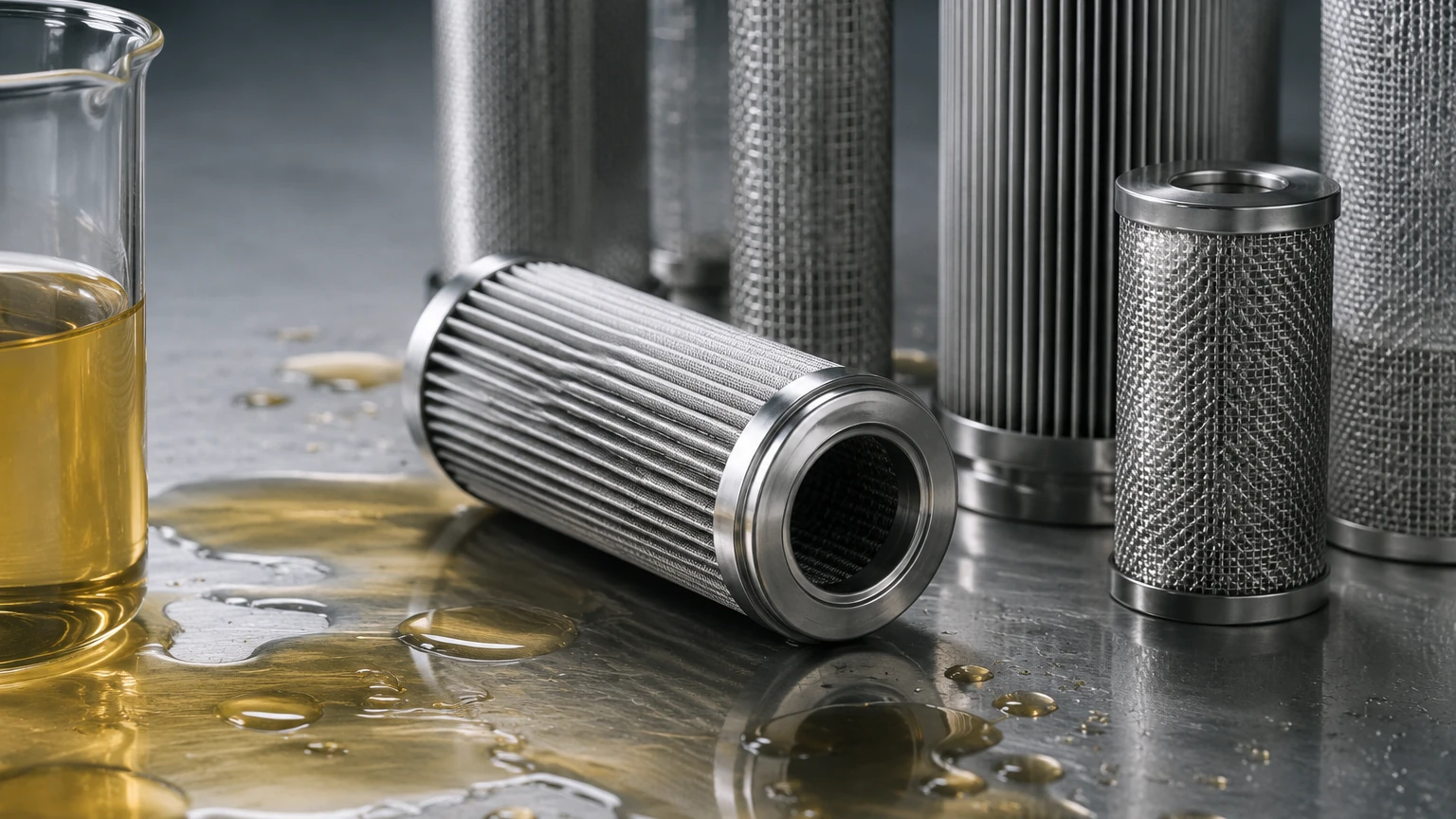
Customized stainless steel filtration components, such as those manufactured by Kaifil, allow for the optimization of the filter housing and the internal mesh structure. By selecting the appropriate weave type—such as plain weave for high flow or Dutch weave for fine particle retention—engineers can tailor the filtration performance to the specific needs of their pg25 coolant system.
When evaluating a supplier for coolant filtration, engineers should confirm:
* Material Certification: Ensure the stainless steel grade is verified (e.g., 304, 316, or 316L).
* Burst Pressure Ratings: The filter must be able to withstand the maximum system pressure, including potential water hammer effects.
* Sealing Options: Ensure that O-rings or gaskets (EPDM, Viton, or PTFE) are compatible with propylene glycol and the specific inhibitor package in use.
Conclusion
Managing pg25 coolant requires a holistic approach that combines chemical monitoring with robust mechanical filtration. By understanding the viscosity challenges and potential for contamination within these systems, engineering teams can implement filtration strategies that protect expensive downstream equipment. Stainless steel wire mesh and cartridge filters provide the durability, chemical resistance, and precision necessary to maintain the purity of pg25 coolant over years of operation.
For more information on high-performance filtration components and custom engineering support for industrial cooling applications, visit the Main Page to explore technical specifications and product capabilities. Proper filtration is an investment in system reliability, ensuring that pg25 coolant continues to provide efficient thermal management without the risks of particulate-induced failure.
