


Plate Type Condenser
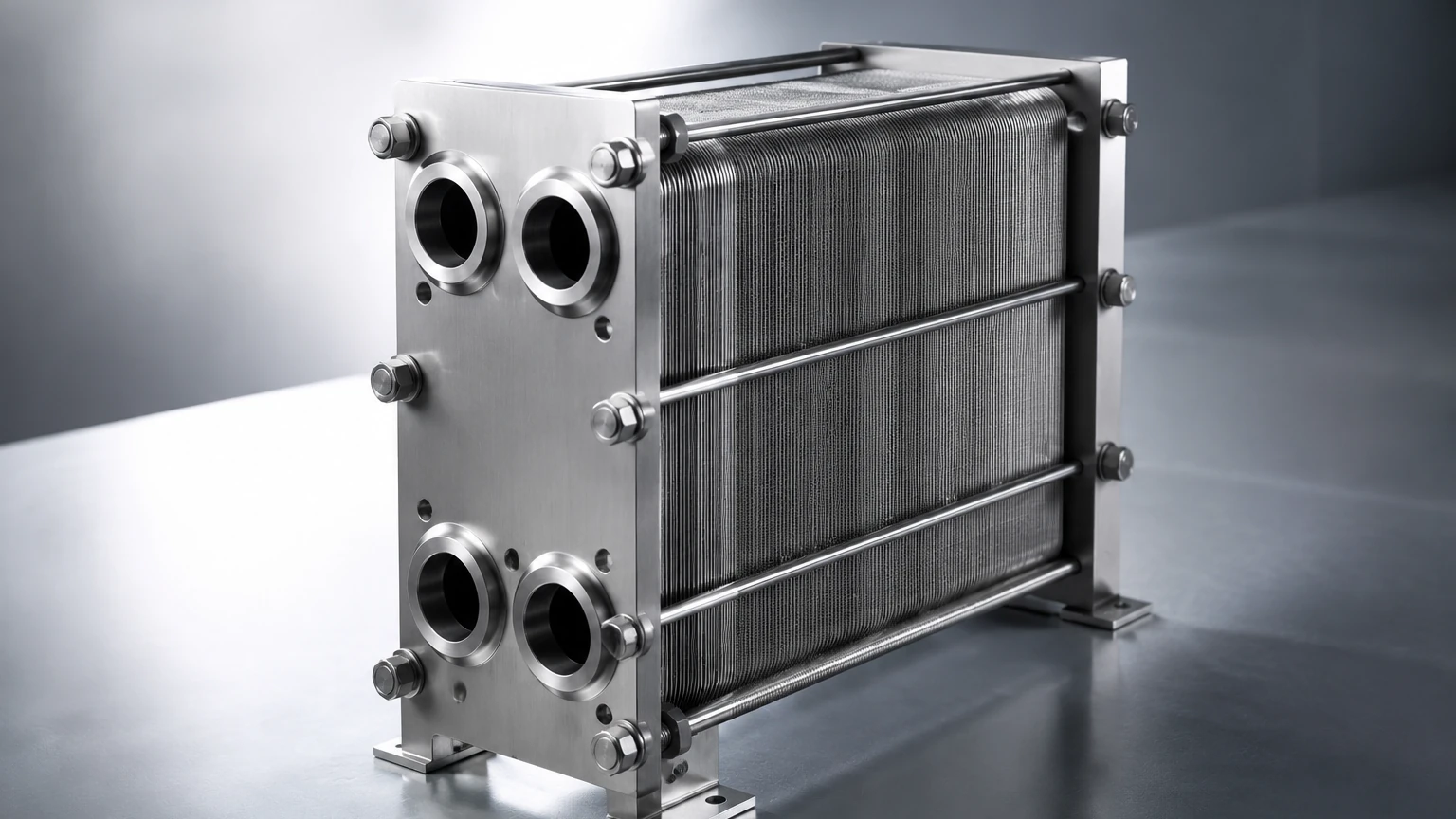
In the landscape of industrial thermal management, the plate type condenser represents a critical evolution in heat transfer technology. Designed to facilitate the phase change of vapors into liquids, these units are essential components in chemical processing, pharmaceutical manufacturing, and power generation. Unlike traditional shell-and-tube designs, the plate type condenser utilizes a series of thin, corrugated metal plates to transfer heat between two fluids. This configuration offers a significantly higher surface area-to-volume ratio, resulting in superior thermal efficiency and a more compact footprint.
For engineers and procurement professionals, selecting a plate type condenser requires a deep understanding of fluid dynamics, material science, and the specific demands of the industrial environment. Furthermore, the operational success of these units is inextricably linked to the quality of the fluids passing through them, making precision filtration a non-negotiable requirement for system longevity.
Engineering Principles of Plate Type Condensers
The fundamental operation of a plate type condenser relies on the arrangement of a plate pack. These plates are typically pressed with a herringbone or chevron pattern, which serves two primary purposes: increasing the structural integrity of the plate and inducing turbulence in the fluid flow. Turbulence is a key driver of high heat transfer coefficients, as it disrupts the boundary layer that otherwise inhibits thermal exchange.
In a condensing application, the vapor enters the top of the plate pack and flows through the narrow channels between the plates. As it releases latent heat to the cooling medium (usually water or a glycol solution) flowing in adjacent channels, the vapor condenses into a liquid. The corrugated design ensures that the entire surface of the plate is utilized, allowing for a very close temperature approach—often within 1 to 2 degrees Celsius. This level of precision is difficult to achieve with alternative heat exchanger geometries.
Material Selection and Corrosion Resistance
Given that plate type condensers are frequently exposed to aggressive chemical vapors and industrial cooling water, material selection is paramount. Stainless steel is the industry standard due to its balance of thermal conductivity and corrosion resistance.
1. 304 Stainless Steel: Suitable for general-purpose applications where the risk of localized corrosion is low.
2. 316L Stainless Steel: The preferred choice for pharmaceutical and food-grade applications, offering enhanced resistance to pitting and crevice corrosion, particularly in the presence of chlorides.
3. Specialty Alloys: For highly corrosive environments involving concentrated acids or seawater, titanium or nickel-based alloys may be required.
At Kaifil, the expertise in stainless steel fabrication extends from filtration components to supporting the structural needs of industrial systems. Understanding the metallurgical properties of these materials ensures that the condenser can withstand the thermal cycling and pressure differentials inherent in continuous industrial processes.
The Critical Role of Filtration in Condenser Systems
One of the most significant risks to a plate type condenser is fouling. Because the channels between the plates are extremely narrow—often ranging from 2mm to 5mm—they are highly susceptible to clogging from suspended solids, biological growth, and scale. Fouling acts as an insulative layer, drastically reducing the heat transfer coefficient and increasing the pressure drop across the unit. In severe cases, it can lead to complete system failure or mechanical damage to the plates.
To mitigate these risks, integrated filtration solutions are essential. High-performance Main Page resources highlight the importance of protecting sensitive equipment through custom-engineered wire mesh filters and stainless steel filter cartridges. By installing precision filtration at the inlet of the cooling water loop and the process stream, engineers can ensure that only clean fluids enter the condenser channels.
Effective filtration strategies for plate type condensers include:
* Stainless Steel Wire Mesh Filters: Ideal for removing large particulates and debris from cooling tower water.
* Sintered Metal Cartridges: Used for high-temperature process vapors to remove catalyst fines or other solid contaminants.
* Custom Strainers: Designed to fit specific piping configurations to provide a final line of defense against mechanical impurities.
Technical Evaluation Criteria for Engineers
When evaluating a plate type condenser for a specific project, technical professionals must look beyond the initial purchase price and focus on total cost of ownership (TCO) and performance metrics. Key considerations include:
Heat Transfer Coefficient (U-Value)
The U-value represents the overall rate of heat transfer. A higher U-value indicates a more efficient condenser, allowing for a smaller unit size for the same thermal load. Engineers should request detailed thermal calculations that account for the specific properties of the vapor and cooling medium.
Pressure Drop (ΔP)
Every plate type condenser introduces a degree of resistance to fluid flow. Excessive pressure drop increases the energy consumption of pumps and compressors. Balancing high turbulence (for heat transfer) with manageable pressure drop is the hallmark of a well-designed plate pack.
Gasket Integrity and Material
Most plate type condensers are "gasketed," meaning the plates are held together by a frame and sealed with elastomeric gaskets. The gasket material (such as NBR, EPDM, or Viton) must be chemically compatible with the fluids and capable of withstanding the operating temperatures. For high-pressure or high-temperature applications, semi-welded or fully welded plate condensers may be necessary to eliminate the risk of gasket failure.
Customization and OEM Integration
In many industrial settings, a standard off-the-shelf condenser is insufficient. Customization allows for the optimization of plate geometry, connection sizes, and material grades to meet the unique constraints of a facility.
Kaifil specializes in providing customized filtration components that integrate seamlessly with industrial heat exchange systems. For OEM manufacturers of plate type condensers, having a partner that can produce precision-engineered stainless steel components is vital for maintaining the quality and reliability of the final product. Whether it is a custom-sized filter element to protect the condenser inlet or specialized metal mesh for internal vapor distribution, tailored solutions drive operational excellence.
Maintenance and Operational Longevity
Maintaining a plate type condenser involves regular monitoring of temperature and pressure differentials. A gradual increase in the temperature difference between the vapor and the cooling water, combined with a rising pressure drop, is a clear indicator of fouling.
Cleaning-in-Place (CIP)
Many modern systems are designed for CIP, where chemical cleaning agents are circulated through the condenser to dissolve scale and organic deposits. This avoids the need to disassemble the plate pack, which can be labor-intensive and risks damaging the gaskets.
Manual Cleaning
If fouling is severe or consists of large particulates, the unit must be opened. The plates are then cleaned manually using soft brushes and high-pressure water. During this process, it is critical to inspect the plates for signs of erosion or corrosion and to replace any compromised gaskets.
The Filtration Advantage
The most effective way to extend the interval between cleanings is to improve the upstream filtration. By investing in high-quality stainless steel filtration solutions, facilities can reduce the frequency of manual interventions, lower maintenance costs, and ensure that the plate type condenser operates at peak efficiency for its entire service life.
Conclusion: Optimizing Thermal Performance
The plate type condenser is a powerful tool for industrial energy efficiency, but its performance is highly dependent on the quality of the system integration. By focusing on superior material selection, precise thermal engineering, and robust filtration protection, engineers can maximize the reliability of their thermal management systems.
For those seeking to optimize their industrial processes, reviewing specialized filtration and component options is the first step toward a more resilient and efficient operation. To explore technical specifications and customized solutions for industrial filtration and metal components, visit the Main Page for comprehensive product support and engineering guidance.
