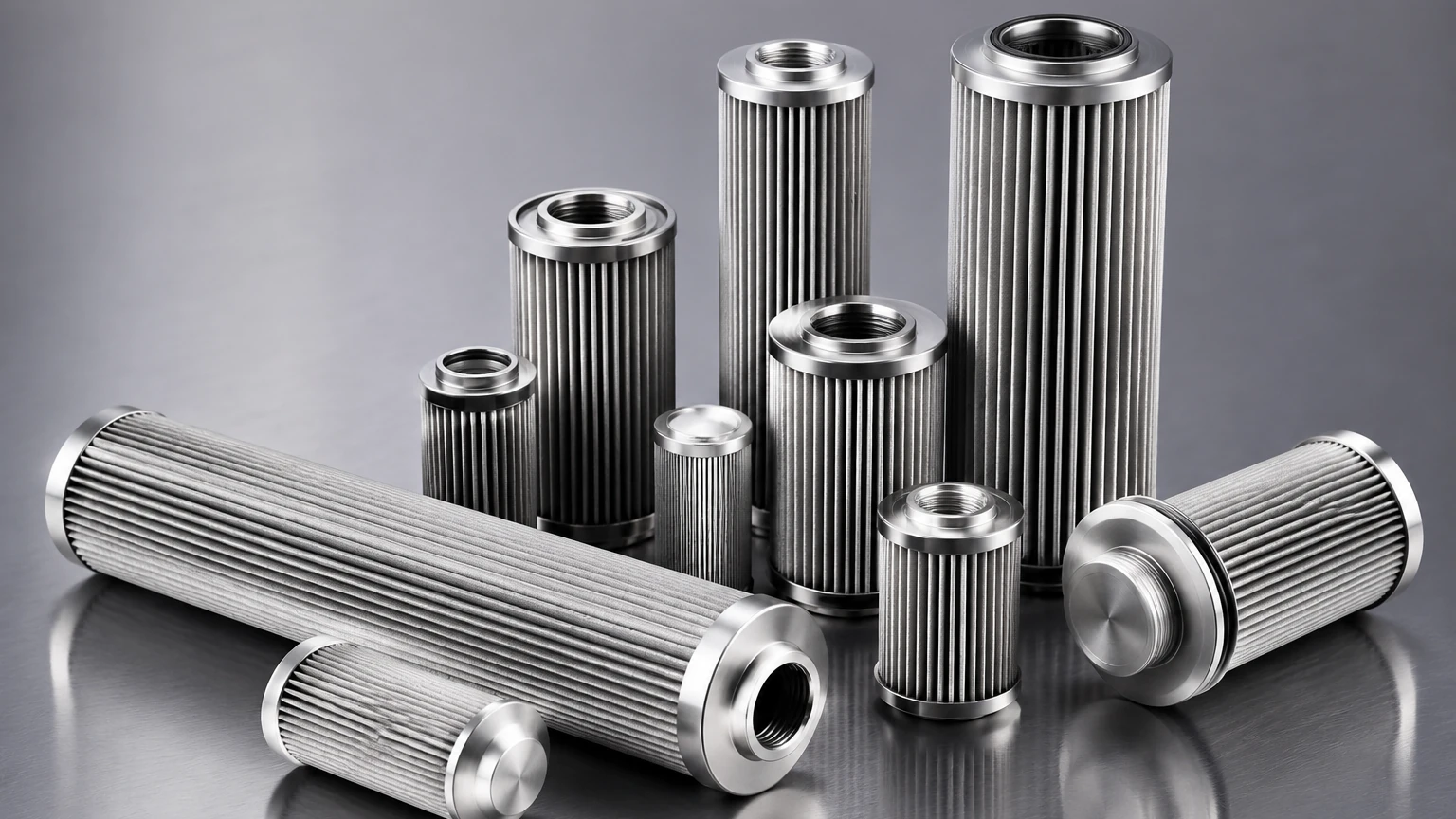
Pleated Liquid Filter Cartridges
In industrial filtration, the efficiency of a system is often dictated by the relationship between surface area and flow resistance. Pleated liquid filter cartridges represent a sophisticated engineering solution designed to maximize filtration surface area within a compact footprint. Unlike standard cylindrical or depth-type filters, the pleated geometry allows for significantly higher flow rates, lower initial pressure drops, and extended service life. For engineers and procurement professionals in sectors such as chemical processing, pharmaceuticals, and food and beverage, understanding the technical nuances of these components is essential for optimizing process performance and reducing total cost of ownership.
The Engineering Logic of Pleated Designs
The primary advantage of pleated liquid filter cartridges lies in their geometric configuration. By folding the filtration media—whether it is stainless steel wire mesh, sintered metal fiber, or polymer membranes—the effective surface area is increased by a factor of two to ten compared to a non-pleated cartridge of the same dimensions.
This increased surface area has several direct impacts on fluid dynamics:
1. Reduced Flux: Flux is defined as the volume of fluid passing through a unit area of filter media per unit of time. By increasing the area, the velocity of the fluid passing through the media pores is reduced. Lower velocity results in less mechanical stress on the particles being captured, reducing the likelihood of particle "breakthrough" or deformation through the mesh.
2. Lower Clean Pressure Drop (ΔP): A larger surface area offers more paths for the fluid to travel, which naturally reduces the resistance to flow. This allows pumps to operate more efficiently and provides a greater "buffer" before the filter reaches its terminal pressure drop.
3. Enhanced Dirt Holding Capacity: With more physical space to trap contaminants, pleated cartridges can operate for longer intervals between cleaning or replacement cycles. In high-solids applications, this translates directly to reduced downtime and lower labor costs.
Material Selection for Industrial Environments
While pleated liquid filter cartridges are available in various materials, industrial applications involving high temperatures, aggressive chemicals, or high pressures typically require metallic solutions. Kaifil specializes in stainless steel filtration components, utilizing materials like 304 and 316L stainless steel to meet these demanding conditions.
Stainless Steel Wire Mesh
Stainless steel wire mesh is a common choice for pleated cartridges due to its precise pore sizing and mechanical strength. It is particularly effective for surface filtration, where particles are captured on the exterior of the media. The pleating process for wire mesh requires specialized equipment to ensure the folds remain uniform without compromising the integrity of the weave.
Sintered Metal Fiber
For applications requiring deeper filtration or higher porosity, sintered metal fiber felt is often pleated. This material consists of non-woven stainless steel fibers that are sintered together to create a high-porosity structure (up to 80%). When pleated, these cartridges offer exceptional permeability and are highly effective at capturing irregularly shaped contaminants.
Chemical and Thermal Compatibility
One of the critical confirmation steps for engineers is verifying the compatibility of the filter media and the hardware (end caps and support cores) with the process fluid. Stainless steel 316L is the industry standard for corrosive environments, particularly those involving chlorides or acidic solutions. Furthermore, unlike polymer-based pleated filters, stainless steel cartridges can withstand temperatures exceeding 200°C (392°F), making them indispensable for steam filtration and hot oil applications.
Filtration Efficiency: Absolute vs. Nominal Ratings
When evaluating pleated liquid filter cartridges, it is vital to distinguish between nominal and absolute filtration ratings. This distinction often determines whether a filter is suitable for a specific process step.
* Nominal Rating: This refers to an approximate micron size at which the filter will retain a majority of particles (typically 60% to 90%). Nominal filters are often used for pre-filtration or less critical clarification tasks.
* Absolute Rating: This indicates the diameter of the largest hard spherical particle that will pass through the filter under specified test conditions. In critical B2B applications, such as the protection of high-pressure nozzles or the final filtration of pharmaceutical ingredients, absolute-rated pleated cartridges are required to ensure consistent quality.
Engineers should also consider the Beta Ratio (β), which provides a more precise measurement of filtration efficiency. The Beta Ratio is the ratio of particles of a given size in the upstream fluid to the particles of the same size in the downstream fluid. A higher Beta Ratio signifies higher efficiency.
Customization and Hardware Configurations
Industrial filtration systems are rarely one-size-fits-all. Pleated liquid filter cartridges must be configured to fit existing housings while meeting specific flow and pressure requirements. Key customization factors include:
End Cap Styles
The method by which a cartridge seals into its housing is critical for preventing bypass. Common industrial configurations include:
* DOE (Double Open End): Utilizes gaskets on both ends to seal against the housing's internal seats.
* Code 7 (226 O-ring / Bayonet): Features two locking tabs and two O-rings for high-purity applications where a secure, leak-proof seal is mandatory.
* Code 3 (222 O-ring / Flat): Uses a double O-ring seal to ensure alignment and prevent bypass.
Support Structures
Because pleats can collapse under high differential pressure, high-quality cartridges include internal support cores and external cages. These components are typically made of perforated stainless steel. For high-viscosity liquids, the pleat spacing (pleat pitch) must be carefully engineered to prevent "pleat blinding," where the folds squeeze together and restrict flow.
Maintenance, Cleaning, and Total Cost of Ownership
One of the most significant advantages of stainless steel pleated liquid filter cartridges is their cleanability. While the initial investment is higher than disposable polymer cartridges, the ability to regenerate the filter media provides a lower Total Cost of Ownership (TCO) over the long term.
Cleaning Methods
* Backwashing: Reversing the flow of fluid to dislodge particles from the surface of the pleats.
* Ultrasonic Cleaning: Using high-frequency sound waves in a cleaning solvent to remove deep-seated contaminants from the mesh or fiber felt.
* Chemical Cleaning: Utilizing surfactants, acids, or alkalis to dissolve organic or inorganic deposits. This is particularly common in the food and beverage industry (CIP – Clean-In-Place).
Replacement Cycles
Determining the replacement or cleaning cycle requires monitoring the differential pressure across the filter. Most industrial systems are designed with a "terminal ΔP"—the point at which the filter is considered fouled. Because pleated filters have a lower initial ΔP, they offer a longer operational window before reaching this limit.
Application-Specific Considerations
Before finalizing a purchase, technical teams should confirm several variables specific to their application:
1. Fluid Viscosity: Higher viscosity fluids require larger pleat spacing and potentially larger micron ratings to maintain acceptable flow rates.
2. Particle Loading: If the fluid contains a high concentration of solids, a pleated surface filter may require a depth-type pre-filter to prevent premature blinding.
3. Operating Pressure: Ensure the cartridge's structural integrity (collapse pressure) exceeds the maximum possible pressure of the pump.
4. Regulatory Compliance: For food, beverage, or pharmaceutical applications, ensure the materials used (including O-rings and gaskets) meet FDA or equivalent standards.
For organizations seeking specialized guidance on material selection or custom design, visiting the Main Page provides access to technical specifications and engineering support tailored to complex industrial filtration challenges.
Summary of Evaluation Criteria
When sourcing pleated liquid filter cartridges, procurement and engineering teams should use the following checklist to ensure the selected product meets the application's demands:
* Micron Rating: Is an absolute or nominal rating required for this process step?
* Material Grade: Does the fluid chemistry require 316L, or is 304 sufficient?
* Seal Integrity: Which end-cap configuration (DOE, Code 7, etc.) is compatible with the existing housing?
* Temperature/Pressure: Will the cartridge maintain its shape and efficiency at peak operating conditions?
* Cleanability: Is the media robust enough to withstand the intended cleaning protocols (e.g., ultrasonic or chemical)?
By focusing on these technical parameters rather than just initial cost, industrial operators can ensure higher process reliability and significantly reduce the frequency of filter-related downtime. Pleated liquid filter cartridges, when engineered correctly, serve as a critical safeguard for downstream equipment and product purity.