


Rotary Filter
In the landscape of industrial liquid-solid separation, the rotary filter stands as a cornerstone technology for continuous processing. Unlike batch filtration systems that require downtime for cleaning or cake removal, rotary filtration systems allow for uninterrupted operation, making them indispensable in high-volume industries such as chemical processing, water treatment, and food production. For engineers and procurement specialists, understanding the technical nuances of these systems—specifically the role of the filter media—is essential for optimizing process efficiency and reducing the total cost of ownership.
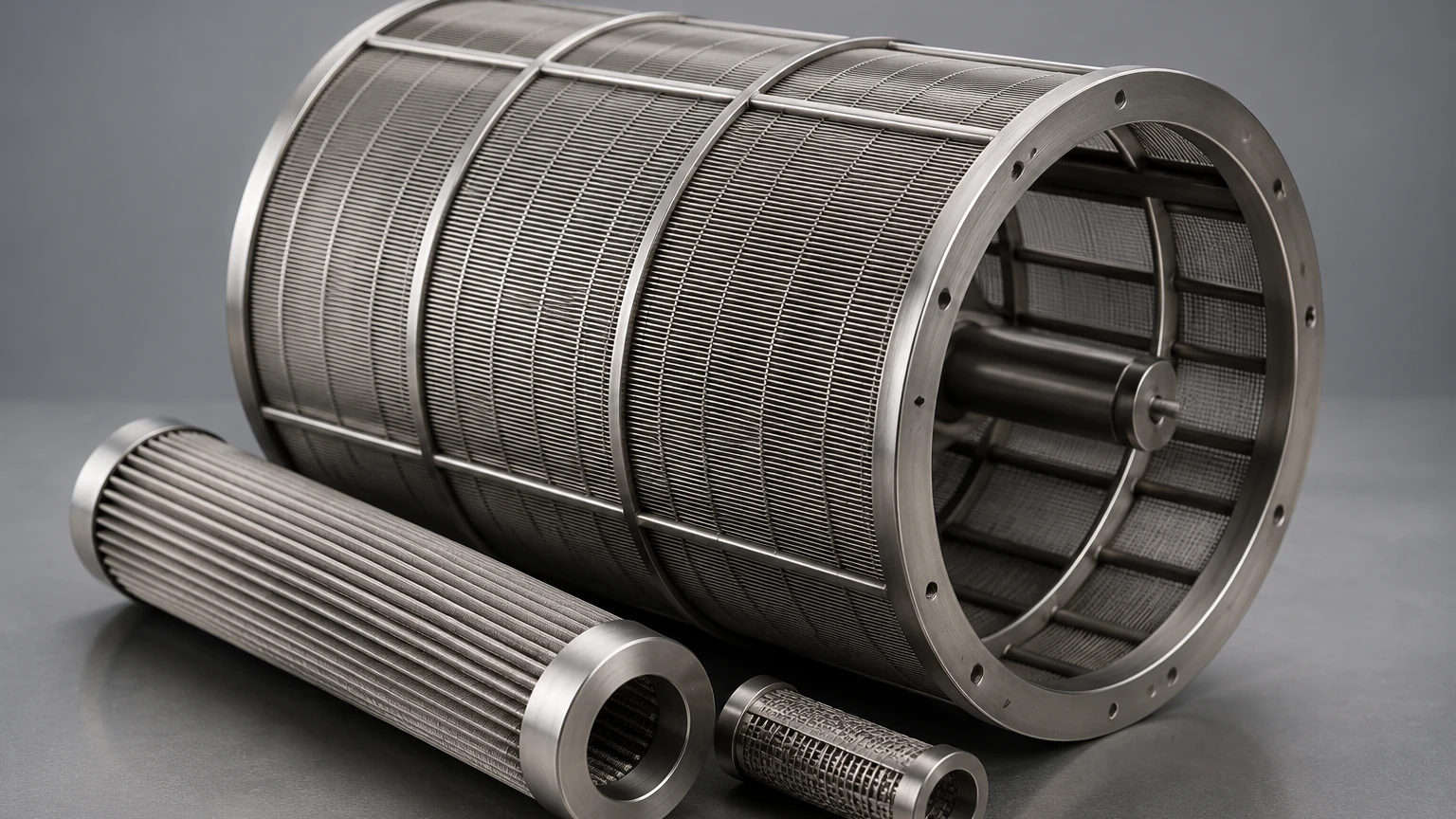
At the heart of any effective rotary filter is the filtration element. While various materials can be used, stainless steel wire mesh and precision-engineered metal components have become the industry standard for demanding applications. These components provide the structural integrity and chemical resistance necessary to withstand the rigors of continuous rotation, pressure differentials, and abrasive slurries.
Understanding the Mechanics of Rotary Filtration
A rotary filter typically operates by utilizing a rotating drum or a series of discs submerged in a vat of slurry. As the unit rotates, a vacuum or pressure differential is applied across the filter medium. This force draws the liquid through the mesh, leaving the solid particles—referred to as the filter cake—on the exterior surface.
The process is divided into several distinct zones: the cake formation zone, the washing zone (where impurities are rinsed from the solids), the drying zone, and finally, the discharge zone where the cake is removed by a scraper blade or air blowback. Because the drum is constantly moving, each of these stages occurs simultaneously at different points around the circumference.
The efficiency of this cycle depends heavily on the selection of the filter media. A "rotary filter" requires a medium that can handle the mechanical stress of constant rotation while maintaining a consistent micron rating. Stainless steel wire mesh is often preferred here because it does not stretch or deform under vacuum pressure, ensuring that the pore size remains stable throughout the production run.
The Role of Stainless Steel Wire Mesh in Rotary Systems
When designing or maintaining a rotary filter, the choice of wire mesh is a critical engineering decision. Stainless steel, particularly grades 304 and 316L, offers a combination of mechanical strength and corrosion resistance that synthetic fabrics cannot match.
Durability and Mechanical Strength
In a rotary drum vacuum filter (RDVF), the filter cloth or mesh is subjected to repetitive tension and compression. Stainless steel mesh provides the rigidity needed to prevent sagging, which can lead to uneven cake formation and poor washing efficiency. Furthermore, in applications involving high-temperature slurries or high-pressure differentials, metal filters maintain their structural integrity where polymers might fail.
Precision Filtration Accuracy
Industrial filtration requires exactness. Stainless steel mesh can be woven to precise specifications, offering micron ratings from coarse to sub-micron levels. For complex separations, multi-layered sintered mesh—where multiple layers of wire cloth are bonded together through heat and pressure—provides a robust, non-deformable filter medium that combines high permeability with excellent mechanical strength.
Cleaning and Regeneration
One of the primary advantages of using metal media in a rotary filter is the ease of cleaning. Stainless steel elements are compatible with Clean-in-Place (CIP) systems, allowing for chemical cleaning or high-pressure backwashing without damaging the filter surface. This longevity significantly reduces the frequency of replacement, contributing to a lower long-term operational cost.
Engineering Considerations for Filter Selection
Selecting the right component for a rotary filter involves more than just picking a micron rating. Engineers must evaluate several variables to ensure the component is fit for purpose.
1. Flow Rate and Permeability
The mesh must allow for the required volume of filtrate to pass through within a specific timeframe. This is influenced by the "open area" of the mesh. A higher open area increases flow but may compromise the structural strength of the wire. Engineering a balance between flow capacity and durability is key to maximizing throughput.
2. Cake Discharge Characteristics
The surface finish of the filter medium affects how easily the filter cake is removed. A smooth, precision-woven surface prevents particles from becoming trapped within the mesh (blinding), ensuring a clean discharge and a fresh surface for the next rotation cycle.
3. Chemical and Thermal Compatibility
In chemical processing, the filter media may be exposed to aggressive solvents, acids, or bases. 316L stainless steel is often the baseline for such environments due to its molybdenum content, which provides enhanced resistance to pitting and crevice corrosion. For extreme temperatures, specialized alloys may be required to prevent thermal expansion from distorting the filter geometry.
Applications Across Key Industrial Sectors
The versatility of the rotary filter makes it a staple in numerous sectors. Each industry presents unique challenges that dictate the design of the filtration element.
* Chemical and Petrochemical: Used for catalyst recovery and the separation of salts and polymers. The focus here is on chemical resistance and the ability to handle hazardous materials safely.
* Food and Beverage: In the production of starches, juices, and oils, filtration components must meet strict hygienic standards. Stainless steel is inherently non-toxic and easy to sterilize, making it ideal for FDA-regulated environments.
* Pharmaceuticals: Precision is paramount. Rotary filters in this sector often utilize fine sintered mesh to ensure the purity of active pharmaceutical ingredients (APIs).
* Mining and Minerals: These applications involve highly abrasive slurries. The filter media must be exceptionally wear-resistant to prevent premature failure from erosion.
* Water Treatment: Used for sludge dewatering and the removal of suspended solids. Large-scale rotary drum filters require high-capacity mesh that can handle massive flow rates with minimal maintenance.
Optimizing Maintenance and Replacement Cycles
While stainless steel rotary filter elements are designed for longevity, they are not infinite. Establishing a proactive maintenance schedule is essential for preventing unplanned downtime.
Engineers should monitor the pressure differential ($ΔP$) across the filter. A steady increase in baseline pressure, even after cleaning cycles, typically indicates "blinding"—where fine particles have become permanently lodged in the mesh pores. Additionally, any sign of mechanical wear, such as fraying at the edges of the mesh or thinning of the wire, warrants immediate inspection.
When it comes to replacement, customization is often more effective than off-the-shelf solutions. Working with a manufacturer that can provide OEM-spec components ensures that the replacement part fits perfectly and performs as well as, or better than, the original. Customization options can include reinforced edges, specialized weave patterns (such as Dutch weave for finer filtration), and integrated support structures to extend the service life of the element.
Total Cost of Ownership (TCO) in Filtration
When evaluating filtration solutions, procurement teams should look beyond the initial purchase price. The Total Cost of Ownership includes the cost of the filter element, the energy required to operate the system (influenced by pressure drop), the labor costs for cleaning and replacement, and the cost of lost production during downtime.
Investing in high-quality stainless steel components for a rotary filter often results in a lower TCO. The durability of metal mesh means fewer replacements, while its superior cleaning characteristics ensure that the system operates at peak efficiency for longer periods. Furthermore, the precision of metal media leads to higher product quality and less waste, directly impacting the bottom line.
Conclusion: Selecting a Reliable Filtration Partner
The complexity of modern industrial processes demands filtration solutions that are both robust and precise. Whether you are upgrading an existing system or designing a new process, the performance of your rotary filter depends on the quality of its internal components.
Kaifil specializes in the manufacturing of custom stainless steel filtration solutions, including wire mesh filters and precision metal components designed for the most demanding industrial environments. By combining advanced manufacturing capabilities with deep engineering expertise, Kaifil helps global customers achieve reliable, cost-effective filtration performance.
For more information on our technical capabilities, material options, and customized OEM solutions, please visit our Main Page to review product options and application support. Our team is ready to assist you in selecting the optimal filtration components to meet your specific operational requirements.
