


Polyethylene Filter
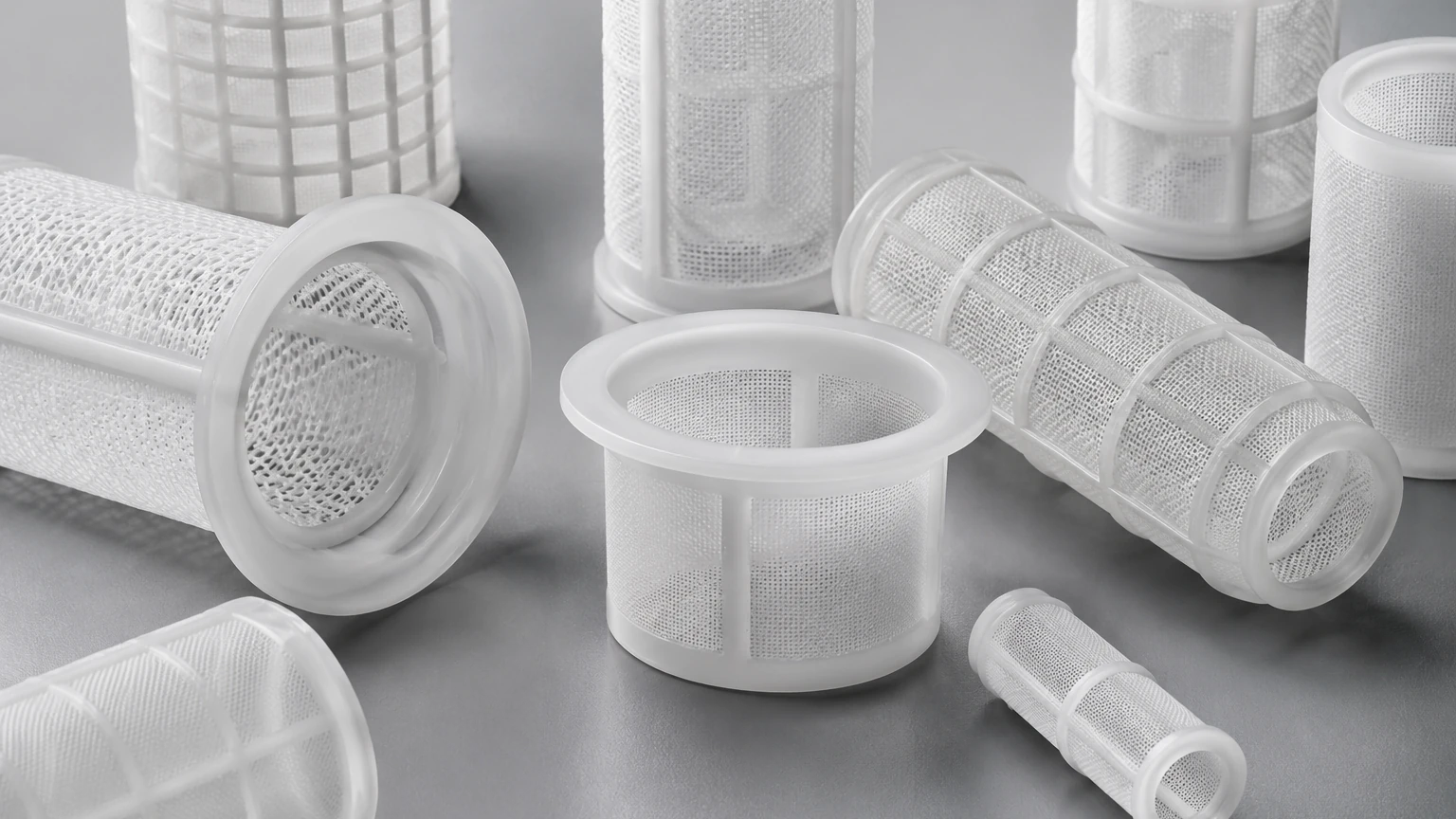
In the landscape of industrial filtration, material selection is the primary determinant of a system's efficiency, longevity, and cost-effectiveness. While stainless steel and other metallic alloys are often the standard for high-pressure and high-temperature environments, the polyethylene filter has established itself as a critical component in specific chemical, medical, and water treatment applications. Understanding the technical nuances of polyethylene (PE) as a filtration medium allows engineers to optimize processes where metal may be prone to corrosion or where lightweight, disposable, or high-purity components are required.
Polyethylene filters are typically manufactured through a sintering process, resulting in a porous plastic structure that provides depth filtration. This guide examines the engineering characteristics, material variations, and selection criteria for polyethylene filters, while also comparing their performance to high-end alternatives like those found on our Main Page.
Material Science: HDPE vs. UHMWPE in Filtration
Polyethylene filters are generally categorized by the density and molecular weight of the polymer used. The two most common forms in industrial filtration are High-Density Polyethylene (HDPE) and Ultra-High Molecular Weight Polyethylene (UHMWPE).
High-Density Polyethylene (HDPE)
HDPE is a versatile polymer known for its high strength-to-density ratio. In filtration, HDPE is used to create rigid, self-supporting filter elements. It offers excellent resistance to a wide range of chemicals, particularly strong acids and bases, which might otherwise degrade lower-grade plastics or even certain metallic meshes. HDPE filters are often used in pre-filtration stages or in applications where the operating temperature does not exceed 80°C (176°F).
Ultra-High Molecular Weight Polyethylene (UHMWPE)
UHMWPE is a subset of thermoplastic polyethylene that has extremely long chains, with a molecular mass usually between 3.5 and 7.5 million amu. This long chain serves to transfer load more effectively to the polymer backbone by strengthening intermolecular interactions. For a polyethylene filter, using UHMWPE results in superior abrasion resistance, higher impact strength, and better performance in cryogenic environments compared to standard HDPE. It is the preferred choice for handling abrasive slurries or in medical-grade filtration where material shedding must be minimized.
The Sintering Process and Porosity Control
Unlike woven wire mesh, which relies on a precise geometric weave to define pore size, a polyethylene filter is typically a "sintered" product. Sintering involves taking PE granules and subjecting them to controlled heat and pressure below their melting point. This causes the particles to fuse at their contact points, creating a complex, three-dimensional network of interconnecting pores.
Depth Filtration Mechanics
Because the pores in a sintered polyethylene filter are not straight channels but rather a "tortuous path," they act as depth filters. Particles are trapped not only on the surface but also within the thickness of the filter wall. This provides a higher dirt-holding capacity compared to simple surface filters. Engineers can specify the porosity of these filters, typically ranging from 1 micron up to 100 microns, depending on the particle size distribution of the fluid being processed.
Structural Integrity
One of the significant advantages of the sintering process is that it produces a rigid, self-supporting structure. In many low-to-medium pressure applications, a polyethylene filter does not require an internal support core or an external cage, which simplifies the design of the filter housing and reduces the overall weight of the assembly.
Engineering Specifications and Performance Metrics
When evaluating a polyethylene filter for an industrial system, engineers must look beyond simple micron ratings. Several performance metrics dictate whether the material is suitable for the intended environment.
Chemical Compatibility
Polyethylene is naturally hydrophobic and chemically inert to many aggressive substances. It is highly resistant to:
* Strong acids (e.g., Hydrochloric, Sulfuric at certain concentrations).
* Strong alkalis (e.g., Sodium Hydroxide).
* Many organic solvents at room temperature.
However, it is susceptible to oxidation by strong oxidizing agents and can be softened or swollen by certain aromatic and halogenated hydrocarbons. Before implementation, a compatibility study based on the specific chemical composition and temperature of the process fluid is mandatory.
Temperature and Pressure Limits
The primary limitation of any polyethylene filter is its thermal threshold. Unlike stainless steel filters, which can operate at temperatures exceeding 500°C, PE filters generally lose structural integrity above 80°C to 90°C. Furthermore, as temperature increases, the mechanical strength of the polymer decreases, leading to a lower maximum allowable differential pressure (ΔP). In high-pressure hydraulic systems, metal filters remain the industry standard due to these physical constraints.
Flow Rate and Pressure Drop
The permeability of a sintered polyethylene filter is a function of its pore volume and the thickness of the material. A higher pore volume (porosity) allows for higher flow rates but may compromise the structural strength of the filter element. Engineers must balance the required flow rate with the acceptable pressure drop across the clean filter to ensure the pump system operates within its efficient range.
Common Applications for Polyethylene Filters
Due to their unique combination of chemical resistance and cost-efficiency, polyethylene filters are utilized across several specialized sectors.
Water Treatment and Desalination
In water treatment, PE filters serve as excellent pre-filters for Reverse Osmosis (RO) membranes. They are effective at removing suspended solids, silt, and organic debris. Their resistance to the chemicals used in membrane cleaning and water disinfection (such as chlorine in low concentrations) makes them a durable choice for municipal and industrial water systems.
Medical and Laboratory Equipment
Sintered UHMWPE is frequently used in medical devices, such as suction canisters and pipettes, to prevent liquid bypass while allowing air to flow. The high purity of the polymer ensures that no leachables or extractables contaminate sensitive biological samples. These filters can also be treated to be hydrophilic or to contain additives that change color upon contact with liquids, providing a visual safety indicator.
Pneumatic Systems and Silencers
In pneumatic applications, polyethylene filters are used as mufflers or silencers on exhaust ports. The porous structure diffuses the escaping air, significantly reducing noise levels while filtering out any oil mist or particulates from the compressed air stream.
Comparison: Polyethylene vs. Stainless Steel Filtration
For many purchasing teams, the decision often comes down to choosing between a polyethylene filter and a stainless steel filter. While Kaifil specializes in precision metal filtration, we recognize that the choice depends entirely on the application's technical requirements.
| Feature | Polyethylene (PE) Filter | Stainless Steel Filter |
| :— | :— | :— |
| Temperature Resistance | Low (Up to 90°C) | Very High (Up to 600°C+) |
| Chemical Resistance | Excellent for acids/bases | Excellent for solvents/high-heat chemicals |
| Mechanical Strength | Moderate; may deform under high ΔP | High; resistant to pressure surges |
| Cleanability | Often disposable; limited cleaning | Fully cleanable and reusable |
| Initial Cost | Low | Higher initial investment |
| Weight | Lightweight | Heavier |
In environments involving high-pressure steam, extreme temperatures, or where the filter must be cleaned and reused hundreds of times, stainless steel is the superior choice. For more information on high-performance metal solutions, you can review our product options on the Main Page. Conversely, for single-use applications or highly corrosive acidic environments at ambient temperatures, the polyethylene filter offers a more economical solution.
Selection and Procurement: What Engineers Should Confirm
Before finalizing a purchase order for polyethylene filters, technical teams should confirm the following data points with their supplier to avoid premature failure or process contamination:
1. Micron Rating (Absolute vs. Nominal): Ensure you understand whether the rating refers to the smallest particle trapped at a specific efficiency (absolute) or a general average (nominal). Sintered PE is often rated nominally due to the nature of the tortuous path.
2. Operating Temperature Profile: Confirm the maximum and continuous operating temperatures. Remember that even a brief spike above the polymer's glass transition temperature can cause the pore structure to collapse.
3. Chemical Concentration: It is not enough to know the chemical name; the concentration and the presence of trace contaminants can drastically alter the compatibility of polyethylene.
4. Differential Pressure (ΔP) Limits: Determine the maximum pressure the filter can withstand before it deforms or "blows through." This is critical for sizing the filter housing and setting maintenance alarms.
5. Regulatory Compliance: For food, beverage, or pharmaceutical applications, ensure the PE resin is FDA-compliant or meets USP Class VI standards for biocompatibility.
Conclusion
The polyethylene filter remains a staple in the filtration industry due to its versatility, chemical inertness, and cost-effective manufacturing process. Whether used in a lab pipette or a large-scale water treatment plant, its ability to provide reliable depth filtration makes it indispensable for low-temperature, corrosive, or high-purity applications.
However, the limitations regarding temperature and mechanical stress mean that it is not a universal solution. In demanding industrial environments where durability and reusability are paramount, metal filtration components often provide a better total cost of ownership. By carefully weighing the material properties of polyethylene against the operational demands of the system, engineers can ensure they select the filtration medium that provides the highest level of process integrity.
