


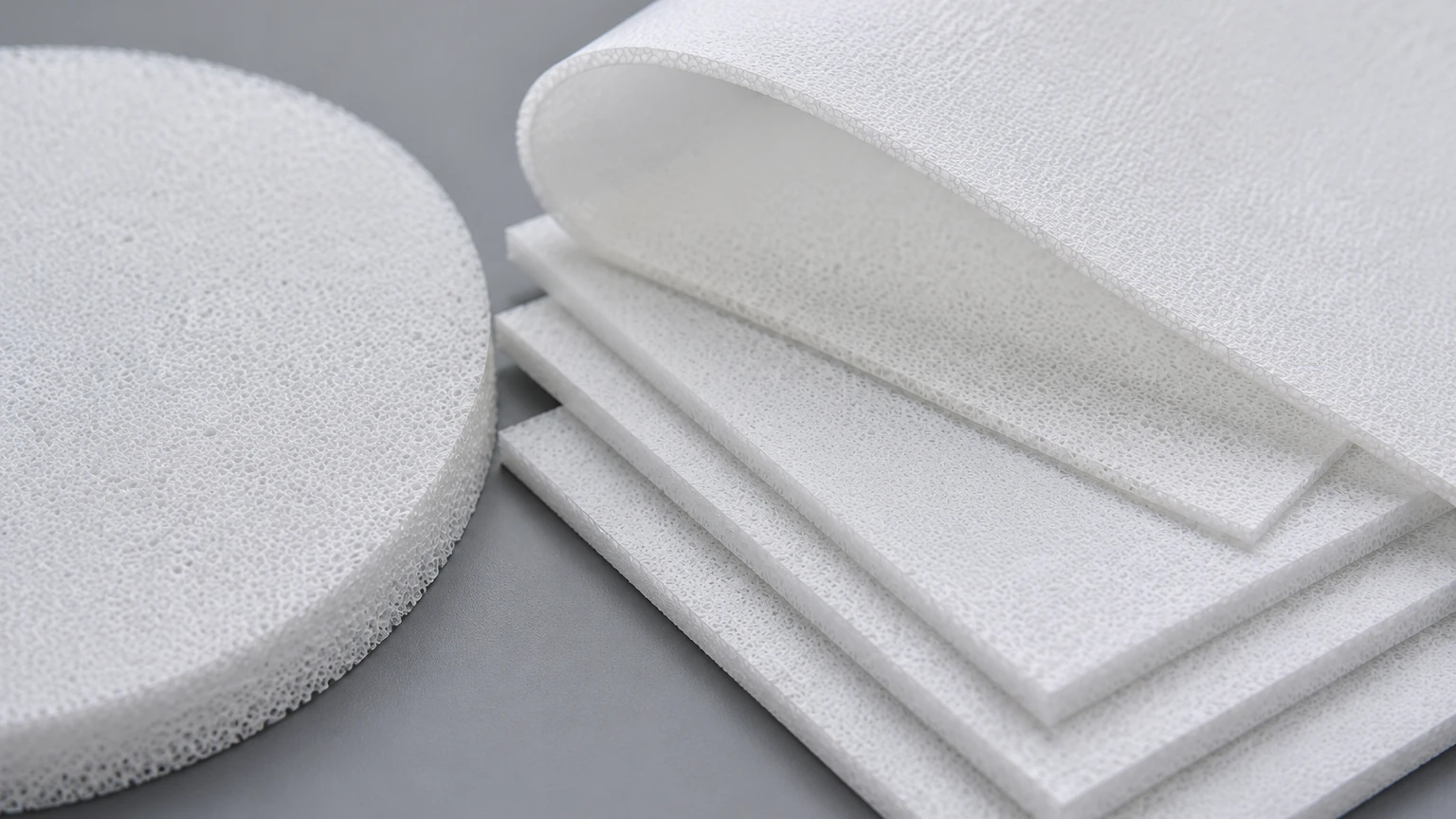
Porous Ptfe Sheet
In the landscape of industrial filtration and material science, the porous PTFE sheet stands as a critical component for applications requiring extreme chemical resistance, thermal stability, and precise permeability. Polytetrafluoroethylene (PTFE), a synthetic fluoropolymer of tetrafluoroethylene, is widely recognized for its hydrophobic properties and non-reactive nature. When engineered into a porous form, this material transitions from a simple gasket or coating material into a high-performance filtration medium capable of handling some of the most demanding environments in the chemical, pharmaceutical, and semiconductor industries.
For engineers and procurement professionals, understanding the technical nuances of a porous PTFE sheet is essential for optimizing system performance and ensuring long-term reliability. This article explores the material characteristics, engineering considerations, and selection criteria necessary for integrating these components into industrial filtration systems.
The Science Behind Porous PTFE Material
A porous PTFE sheet is typically manufactured through one of two primary processes: expansion or sintering. Each method results in a distinct pore structure that dictates the material's performance in fluid dynamics and particle retention.
Expanded PTFE (ePTFE)
Expanded PTFE is created by rapidly stretching PTFE under specific temperature conditions. This process creates a unique microstructure consisting of nodes interconnected by thin fibrils. The resulting "web-like" structure is highly porous yet maintains significant tensile strength. ePTFE is characterized by its high air permeability and low resistance to airflow, making it an ideal candidate for venting and gas filtration applications.
Sintered Porous PTFE
Sintered PTFE is produced by fusing PTFE particles together under heat and pressure without reaching the melting point. This results in a more rigid, tortuous path structure. Sintered sheets are often thicker than expanded versions and offer superior mechanical support. They are frequently used in liquid filtration where the material must withstand higher differential pressures without deforming. The pore size in sintered PTFE is controlled by the particle size of the raw resin and the specific sintering parameters.
Key Performance Indicators for Industrial Filtration
When evaluating a porous PTFE sheet for an industrial application, several technical metrics must be analyzed to ensure the material meets the operational requirements of the system.
Micron Rating and Pore Size Distribution
The micron rating defines the size of particles the sheet can effectively bridge or capture. In B2B procurement, it is vital to distinguish between nominal and absolute micron ratings. A porous PTFE sheet with an absolute rating ensures that 99.9% of particles above a specific size are retained, which is critical for sterile venting in pharmaceutical processes or high-purity chemical filtration.
Porosity and Void Volume
Porosity refers to the percentage of the sheet's total volume that is occupied by open space. Higher porosity generally leads to higher flow rates and lower pressure drops. However, there is a trade-off between porosity and mechanical strength. Engineers must balance the need for high throughput with the structural integrity required to survive the operating pressure of the filter housing.
Chemical Compatibility and Temperature Resistance
One of the primary reasons for selecting PTFE over other polymers like polypropylene or polyester is its near-universal chemical resistance. A porous PTFE sheet can operate in environments ranging from pH 0 to 14. It remains stable at continuous service temperatures up to 260°C (500°F), making it suitable for hot gas filtration and aggressive solvent recovery where other materials would degrade or leach contaminants.
Industrial Applications and Use Cases
The versatility of the porous PTFE sheet allows it to serve various functions across diverse sectors. Its hydrophobic nature is particularly valuable in gas-liquid separation.
1. Sterile Venting and Gas Filtration
In the pharmaceutical and food and beverage industries, storage tanks must "breathe" as they are filled or emptied. A porous PTFE sheet acts as a hydrophobic vent filter, allowing air to pass through while blocking moisture and microbial contaminants. This prevents tank collapse or over-pressurization while maintaining a sterile internal environment.
2. Chemical Processing and Solvent Filtration
Chemical plants utilize PTFE sheets for the filtration of aggressive acids, bases, and organic solvents. Because the material does not react with the process fluid, it ensures the purity of the end product and prevents the filter medium itself from becoming a source of contamination.
3. Fuel and Oil Separation
In hydraulic and automotive applications, porous PTFE is used to separate water from fuel. The hydrophobic surface of the PTFE allows fuel to pass while repelling water droplets, which coalesce and can be drained from the system. This protects sensitive engine components from corrosion and cavitation.
Engineering Considerations: Integration with Stainless Steel
While a porous PTFE sheet offers exceptional filtration properties, it often lacks the structural rigidity required for high-pressure industrial applications. This is where the synergy between polymer science and metal fabrication becomes vital. For many demanding systems, the PTFE medium is integrated with stainless steel components to create a robust filtration solution.
Structural Support and Pleating
In high-flow applications, PTFE sheets are often pleated to increase the effective filtration area. To prevent the pleats from collapsing under pressure, they are sandwiched between layers of stainless steel wire mesh. This hybrid construction combines the chemical precision of PTFE with the mechanical strength of stainless steel, a specialty of manufacturers like Kaifil who focus on durable industrial filtration components.
Sealing and Housing Compatibility
Ensuring a leak-proof seal is one of the most challenging aspects of using PTFE sheets. PTFE has a low coefficient of friction and a tendency to "creep" or cold-flow under constant pressure. Therefore, the design of the filter housing and the selection of gaskets or O-rings must account for these properties. Thermal welding or mechanical encapsulation within a stainless steel frame are common methods used to secure the PTFE sheet within a larger assembly.
Selection Guide for Engineering and Procurement
To select the correct porous PTFE sheet, technical teams should follow a structured evaluation process. Choosing the wrong specification can lead to premature filter failure, system downtime, or product contamination.
1. Identify the Primary Fluid Phase: Is the application liquid or gas? Hydrophobic PTFE is excellent for gas venting but may require pre-wetting with a low-surface-tension fluid (like alcohol) if used for aqueous liquid filtration.
2. Determine the Operating Pressure: Calculate the maximum differential pressure (ΔP) the sheet will encounter. If the pressure exceeds the material's burst strength, a supported construction (mesh-backed) is required.
3. Define the Required Flow Rate: Use the Gurley number (for air) or water flow rate specifications to ensure the sheet can handle the system's throughput requirements without excessive energy consumption.
4. Verify Compliance Standards: For regulated industries, ensure the PTFE resin and the manufacturing process comply with FDA, USP Class VI, or REACH standards.
Maintenance and Total Cost of Ownership
While the initial cost of a porous PTFE sheet may be higher than that of disposable cellulose or polypropylene filters, the total cost of ownership (TCO) is often lower in aggressive environments. PTFE's durability allows for longer service life and, in some cases, the ability to be cleaned and reused. However, in many high-purity applications, the sheets are treated as consumables to prevent cross-contamination.
Engineers should monitor the pressure drop across the filter. A significant increase in ΔP indicates that the pores are becoming blinded by contaminants, signaling the need for a replacement. Because PTFE is so chemically inert, standard cleaning agents often fail to remove deeply embedded particulates, making proper pre-filtration essential to extending the life of the PTFE stage.
Conclusion
The porous PTFE sheet is an indispensable tool in the modern industrial toolkit. Its unique combination of chemical inertness, thermal stability, and controlled porosity allows it to solve filtration challenges that other materials cannot. Whether used as a standalone vent or integrated into a complex stainless steel filter assembly, understanding the technical boundaries of PTFE is key to engineering success.
For professionals seeking to optimize their filtration processes with high-performance materials and custom engineering support, it is important to partner with experienced manufacturers. To explore a wide range of industrial filtration solutions and technical resources, you can Review product options and application support on our Main Page. By aligning material selection with specific application demands, engineers can achieve the reliability and efficiency required in today's competitive industrial landscape.
