


Wastewater Bar Screen
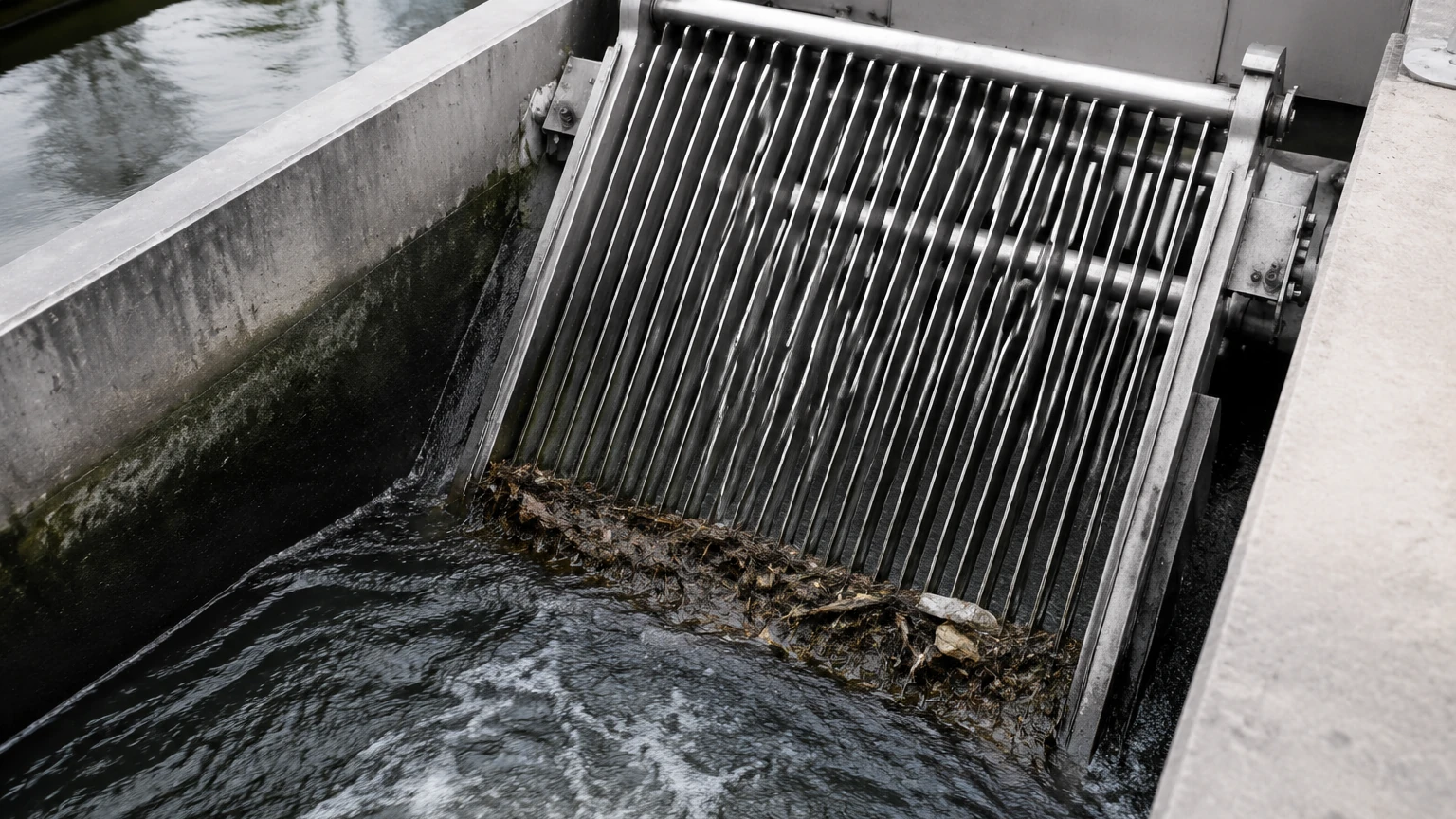
In the hierarchy of industrial and municipal water treatment, the wastewater bar screen serves as the critical first line of defense. Its primary function is the removal of large solids—ranging from plastic debris and rags to organic matter and industrial byproducts—that could otherwise damage downstream pumps, clog pipes, or interfere with sensitive secondary treatment processes. For engineers and facility managers, selecting the appropriate bar screen is not merely a matter of size; it requires a deep understanding of hydraulic dynamics, material science, and the specific chemical profile of the influent.
As a specialized manufacturer of stainless steel filtration solutions, Kaifil recognizes that the efficiency of a treatment plant often hinges on the reliability of these initial screening components. High-quality metal fabrication and precise engineering are essential to withstand the abrasive and corrosive environments typical of wastewater processing. For more information on our engineering capabilities, visit our Main Page.
Engineering Principles of Bar Screen Design
The design of a wastewater bar screen is governed by the need to balance effective solids removal with minimal hydraulic resistance. The screen consists of a series of parallel vertical or inclined bars placed across the flow channel. The spacing between these bars, known as the "clear opening," determines the size of the particles captured.
Coarse vs. Fine Screening
Bar screens are generally categorized into two types based on their clear openings:
1. Coarse Screens: These typically have openings ranging from 6mm to 150mm. They are designed to protect downstream equipment from large debris. In many industrial settings, coarse screens are used as a preliminary step before the effluent reaches more delicate filtration stages.
2. Fine Screens: With openings less than 6mm, fine screens are employed to remove smaller solids that could impact biological treatment stages or foul membrane bioreactors (MBRs). These often require more frequent cleaning and more robust mechanical systems to prevent blinding.
Hydraulic Considerations
Engineers must calculate the "head loss"—the drop in water level across the screen—to ensure the system does not overflow or cause upstream backups. Head loss is influenced by the velocity of the water, the thickness of the bars, the angle of inclination, and the percentage of the screen that is currently blocked by debris. A common engineering standard is to maintain an approach velocity of approximately 0.6 to 0.9 meters per second to prevent solids from settling in the channel before reaching the screen, while ensuring the velocity through the bars does not exceed 1.2 meters per second to avoid forcing debris through the openings.
Material Selection: The Case for Stainless Steel
The environment within a wastewater channel is inherently hostile. The presence of hydrogen sulfide (H2S), chlorides, and varying pH levels can lead to rapid degradation of inferior materials. Consequently, material selection is one of the most critical factors in the total cost of ownership for a wastewater bar screen.
Corrosion Resistance
While carbon steel or galvanized options may offer lower initial costs, they frequently succumb to pitting and structural failure within a few years of service. Stainless steel, particularly grades 304 and 316L, is the industry standard for high-performance screening.
* Grade 304: Suitable for standard municipal wastewater where chloride levels are moderate.
* Grade 316L: Recommended for industrial wastewater, coastal installations, or environments with high chemical concentrations. The addition of molybdenum in 316L provides superior resistance to chloride-induced pitting.
Structural Integrity and Wear
Beyond corrosion, bar screens must withstand the physical impact of heavy debris and the constant friction of cleaning rakes. Stainless steel provides the necessary tensile strength and hardness to maintain the precise spacing of the bars over decades of operation. At Kaifil, we emphasize the use of high-grade alloys to ensure that our custom filtration components maintain their geometric stability under heavy hydraulic loads.
Mechanical vs. Manual Cleaning Systems
How a wastewater bar screen is cleaned significantly impacts both operational labor and the consistency of the treatment process.
Manual Bar Screens
Manual screens are often used in small-scale plants or as emergency bypass channels. They are simple, requiring no power, but they are labor-intensive. If not cleaned regularly, debris builds up, increasing head loss and potentially causing an overflow. For modern industrial applications, manual screens are rarely the primary choice due to the risk of human error and the physical demands on staff.
Mechanical Bar Screens
Mechanical screens use automated raking mechanisms to remove solids. These systems are typically triggered by a timer or a differential level sensor that detects when head loss has reached a specific threshold.
* Front-Cleaned Reciprocating Rakes: These use a rake that descends and pulls debris up the face of the bars. They are robust and capable of handling heavy objects.
* Catenary Screens: These utilize a continuous chain-driven rake system. They have no underwater sprockets or bearings, which reduces maintenance requirements in deep channels.
* Step Screens: These use a series of fixed and movable steps to lift solids out of the flow. They provide excellent fine screening but are more sensitive to grit and sand.
Customization and Application-Specific Design
Every wastewater stream is unique. A screen designed for a poultry processing plant, which may deal with high organic loads and feathers, will differ significantly from a screen designed for a chemical manufacturing facility.
Tailoring Bar Profiles
The shape of the bar itself can influence performance. Rectangular bars are common, but teardrop or trapezoidal (wedge) shapes can reduce head loss and prevent "stapling," where fibrous materials wrap around the bars and become difficult to remove.
Integration with Downstream Systems
A wastewater bar screen does not operate in isolation. It is the precursor to grit removal, primary sedimentation, and fine filtration. When designing a system, engineers must ensure that the bar screen's performance aligns with the capabilities of the subsequent stages. For example, if a facility utilizes stainless steel filter cartridges for fine polishing, the bar screen must be efficient enough to prevent large particles from reaching and prematurely clogging those expensive elements.
Kaifil specializes in creating the precision metal components that bridge these gaps. By providing customized wire mesh and stainless steel filter solutions, we help facilities optimize their entire filtration train. You can explore our full range of industrial solutions on our Main Page.
Operational Risks and Mitigation
Failure to properly specify or maintain a wastewater bar screen can lead to several operational risks:
1. Bypass and Overflow: If the screen blinds (clogs) too quickly and the cleaning mechanism cannot keep up, water will seek the path of least resistance, potentially bypassing the treatment system entirely.
2. Downstream Damage: If the bar spacing is too wide, large objects can pass through and damage pump impellers or tear membranes in MBR systems.
3. Odor and Hygiene: Accumulated organic matter on screens can become a source of odors and attract pests. Automated washing and compacting systems for the screenings (the removed solids) are often integrated to mitigate these issues.
To minimize these risks, engineers should confirm the maximum peak flow (not just average flow), the expected debris characteristics, and the available footprint for the screening equipment before finalizing a purchase.
Total Cost of Ownership (TCO) Analysis
When evaluating wastewater bar screen options, the purchase price is often only a small fraction of the total cost. A comprehensive TCO analysis should include:
* Energy Consumption: The power required for mechanical rakes and screenings conveyors.
* Maintenance Labor: The frequency of inspections, lubrication of moving parts, and manual intervention.
* Replacement Parts: The cost and availability of wear items like rake teeth, chains, and bearings.
* Disposal Costs: The volume of screenings removed. Many modern systems include a screenings washer-compactor to reduce the weight and volume of the waste, significantly lowering disposal fees.
By investing in high-quality stainless steel construction and a design tailored to the specific hydraulic conditions of the site, facilities can reduce long-term costs and ensure continuous compliance with environmental regulations.
Conclusion
The wastewater bar screen is a fundamental component of any robust water treatment infrastructure. Its role in protecting downstream assets and ensuring the stability of the treatment process cannot be overstated. By focusing on superior materials like stainless steel, precise hydraulic engineering, and appropriate cleaning technology, engineers can implement a screening solution that provides reliable service for decades.
For technical professionals seeking durable, custom-engineered filtration components that meet the rigorous demands of industrial wastewater, partnering with an experienced manufacturer is vital. Kaifil remains committed to delivering high-performance metal filtration solutions across various industries. To learn more about how our expertise can support your next project, visit our Main Page.
