


Pp Cotton Filter
In the landscape of industrial liquid processing, the pp cotton filter—technically known as a melt-blown polypropylene filter cartridge—serves as a primary line of defense against particulate contamination. These filters are essential components in multi-stage filtration systems, designed to remove suspended solids, sediment, and debris from process fluids. For engineers and procurement specialists, understanding the technical nuances of polypropylene (PP) depth filtration is critical for optimizing system performance and protecting downstream equipment, such as high-precision stainless steel membranes or sensitive reverse osmosis (RO) units.
As a specialist in custom stainless steel filtration solutions, Kaifil recognizes that industrial efficiency often relies on the strategic combination of disposable pre-filters and durable, cleanable metal filters. By evaluating the performance characteristics of the pp cotton filter, technical teams can better integrate these components into their overall filtration strategy to achieve the desired fluid purity at the lowest operational cost.
Understanding the Structure and Function of PP Cotton Filters
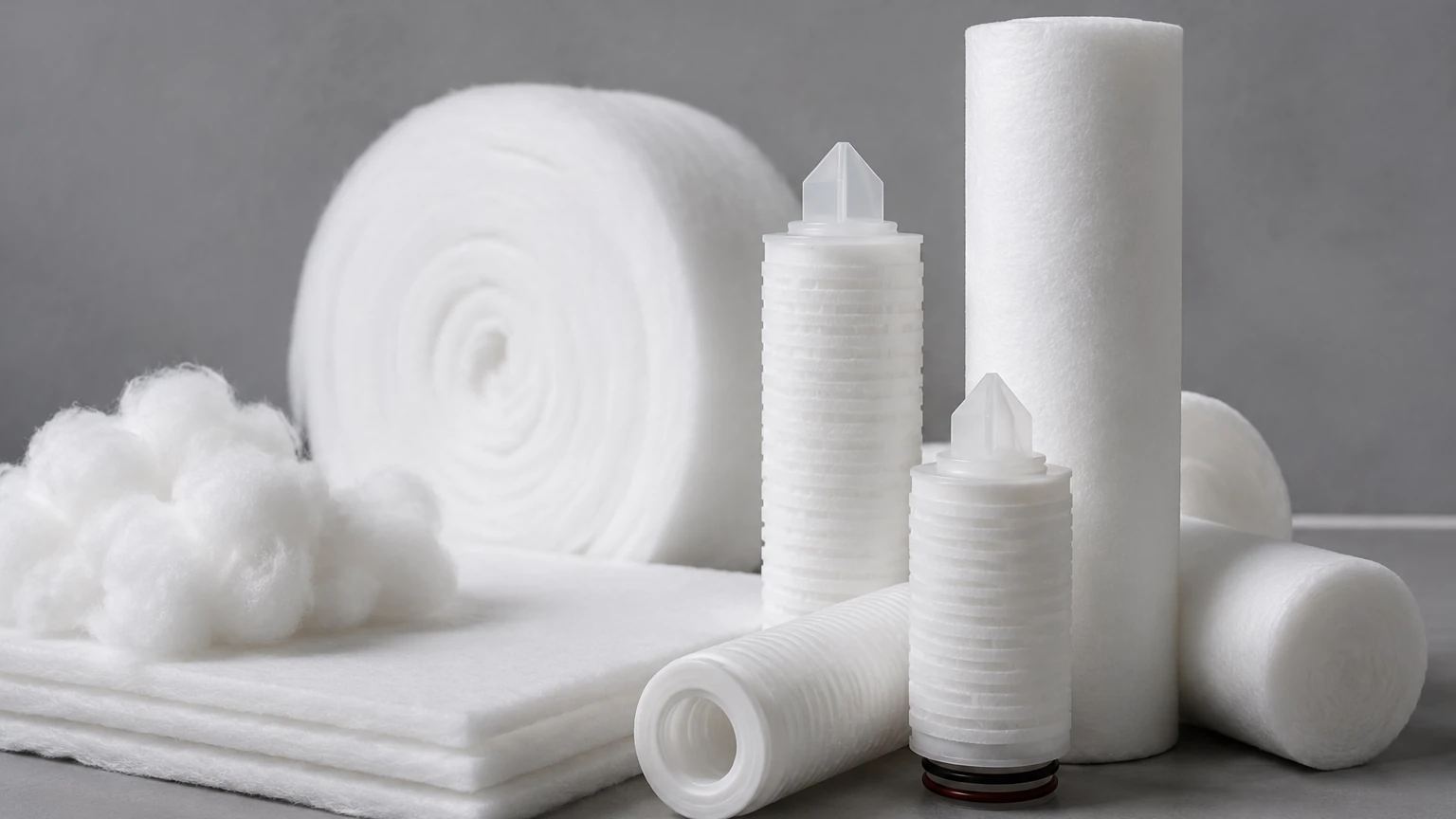
The term "pp cotton" is a common industry colloquialism for filters manufactured through a melt-blown process using polypropylene resin. Despite the name, these filters do not contain natural cotton; instead, they consist of thermally bonded microfibers that create a complex, three-dimensional matrix.
The Melt-Blown Manufacturing Process
During production, polypropylene granules are melted and extruded through high-speed nozzles. High-velocity hot air attenuates the molten polymer into extremely fine fibers, which are then collected on a rotating mandrel. As the fibers cool, they bond together without the need for chemical binders or adhesives. This thermal bonding is crucial for industrial applications because it ensures that no surfactants or foaming agents leach into the process fluid, maintaining the chemical integrity of the filtrate.
Depth Filtration Mechanism
Unlike surface filters (such as certain wire meshes) that trap particles on a single plane, the pp cotton filter utilizes depth filtration. The manufacturing process allows for the creation of a "graded density" structure. The outer layers of the filter are typically less dense, with larger pores to capture coarse particles. As the fluid moves toward the inner core, the fiber density increases and the pore size decreases. This design prevents the surface from blinding prematurely, allowing the entire volume of the filter media to hold contaminants. This high dirt-holding capacity is the primary reason engineers select PP melt-blown cartridges for high-sediment applications.
Key Technical Specifications for Industrial Applications
When specifying a pp cotton filter for an industrial process, engineers must look beyond simple dimensions. Performance is dictated by several technical variables that influence both filtration efficiency and the frequency of maintenance intervals.
Micron Ratings and Efficiency
PP filters are available in nominal micron ratings ranging from 0.5 to 100 microns. It is important to distinguish between "nominal" and "absolute" ratings. Most standard pp cotton filters are nominally rated, meaning they will intercept a high percentage (typically 80% to 90%) of particles at the specified size. For critical applications requiring 99.9% efficiency, technical teams may need to consider multi-layered or pleated versions, or transition to precision Main Page components for final-stage polishing.
Chemical Compatibility and Temperature Limits
Polypropylene is a versatile thermoplastic with excellent resistance to a wide range of chemicals, including most organic acids, alkalis, and salts. However, its thermal stability is limited compared to metallic alternatives. Most PP cartridges are rated for continuous operation up to 60°C (140°F). Exceeding these temperatures can lead to fiber softening, pore deformation, and eventual structural failure. In high-temperature chemical processing or steam sterilization environments, engineers often transition from PP to stainless steel wire mesh or sintered metal filters.
Structural Integrity and Core Support
In high-flow or high-viscosity applications, the pressure differential across the filter can become significant. To prevent the cartridge from collapsing, many industrial-grade PP filters are built around a rigid polypropylene or stainless steel inner core. This reinforcement ensures that the filter maintains its shape and filtration accuracy even as it becomes loaded with contaminants.
Comparing PP Cotton Filters with Stainless Steel Filtration Media
For many B2B applications, the choice between a disposable pp cotton filter and a permanent stainless steel filter depends on the specific goals of the filtration process and the nature of the contaminants.
| Feature | PP Cotton Filter (Melt-Blown) | Stainless Steel Filter (Wire Mesh/Sintered) |
| :— | :— | :— |
| Filtration Type | Depth Filtration | Surface or Depth (Sintered) |
| Reusability | Disposable | Cleanable and Reusable |
| Temperature Limit | Low (approx. 60°C) | Very High (up to 500°C+) |
| Chemical Resistance | Good (Acids/Bases) | Excellent (Solvents/High Temp Acids) |
| Initial Cost | Low | High |
| Operating Cost | High (Replacement/Disposal) | Low (Long-term ROI) |
| Typical Use | Pre-filtration / Sediment removal | Critical process / High pressure / Sanitary |
In a typical industrial water treatment plant, a pp cotton filter might be used as a sacrificial stage to remove silt and sand, while a stainless steel filter cartridge from Kaifil provides the final, high-precision barrier for sensitive machinery. This hybrid approach balances the low cost of disposable media with the reliability and precision of metal components.
Selection Criteria for Engineering and Procurement
Selecting the right pp cotton filter requires a detailed analysis of the process conditions. Procurement teams should confirm the following parameters with their technical departments before finalizing an order:
1. Flow Rate and Pressure Drop: Every filter introduces a pressure drop (ΔP). Engineers must ensure that the pump system can handle the initial pressure drop plus the increase in resistance as the filter captures debris. Oversizing the filter housing to accommodate multiple cartridges can reduce the flow velocity through each unit, extending the service life.
2. Contaminant Characteristics: Is the sediment hard and granular (like sand) or soft and gelatinous (like algae or oil)? Depth filters like the pp cotton filter excel at capturing deformable particles that might otherwise squeeze through a surface mesh.
3. Housing Compatibility: Standard industrial lengths include 10, 20, 30, and 40 inches. Furthermore, the end-cap configuration must match the housing. Common styles include Double Open End (DOE), 222 O-rings with a flat cap, or 226 O-rings with a bayonet fin. Ensuring a proper seal is vital to prevent "bypass," where unfiltered liquid escapes around the edges of the cartridge.
4. Total Cost of Ownership (TCO): While a pp cotton filter is inexpensive per unit, the costs of labor for frequent change-outs, system downtime, and waste disposal can add up. If a process requires weekly replacements, it may be more cost-effective to invest in a backwashable stainless steel system.
Installation and Maintenance Best Practices
To maximize the effectiveness of a pp cotton filter, proper installation and monitoring protocols must be established. Improper handling can lead to bypass or premature failure, compromising the entire downstream process.
Monitoring Differential Pressure
The most accurate way to determine when a filter needs replacement is by monitoring the differential pressure between the inlet and outlet gauges. A clean pp cotton filter typically shows a pressure drop of 2 to 5 psi. As it loads with sediment, the pressure will rise. Most manufacturers recommend replacing the cartridge once the differential pressure reaches 15 to 20 psi (1.0 to 1.4 bar). Waiting longer can cause "unloading," where the high pressure forces previously trapped particles through the media and into the clean stream.
Proper Seating and Sealing
During installation, technicians must ensure that the cartridge is centered within the housing. If using O-ring seals, the rings should be lubricated with a process-compatible fluid (such as water or food-grade silicone) to ensure they seat correctly without tearing. A misaligned filter is one of the most common causes of filtration failure in industrial settings.
Storage and Handling
Polypropylene filters should be stored in their original packaging in a cool, dry environment away from direct sunlight. UV exposure can degrade the polymer fibers over time, making them brittle and prone to shedding. Handling should be done with clean gloves to prevent oils or microbes from contaminating the media, especially in food, beverage, or pharmaceutical applications.
Optimizing Filtration Systems with Multi-Stage Solutions
In complex industrial environments, a single filtration stage is rarely sufficient. The pp cotton filter is most effective when used as part of a tiered strategy. By placing a 20-micron PP filter upstream of a 5-micron PP filter, the larger particles are removed first, preventing the finer filter from clogging prematurely.
For applications involving high pressures, aggressive solvents, or stringent hygiene requirements, the transition to stainless steel is necessary. Kaifil provides the engineering expertise to bridge these requirements, offering custom-designed metal filter cartridges that can withstand the rigors of industrial processing. Whether the goal is to protect a high-pressure pump or to ensure the clarity of a chemical solvent, selecting the right combination of depth and surface filtration is the key to operational success.
When evaluating your filtration needs, consider the nature of your fluid, the required cleanliness levels, and the environmental conditions of your facility. While the pp cotton filter offers a versatile and economical solution for sediment control, its performance is maximized when integrated into a well-engineered system that respects the technical boundaries of the materials involved. For teams looking to optimize their filtration performance with durable, high-precision components, reviewing industrial-grade options and seeking technical support can lead to significant long-term savings and improved product quality.
